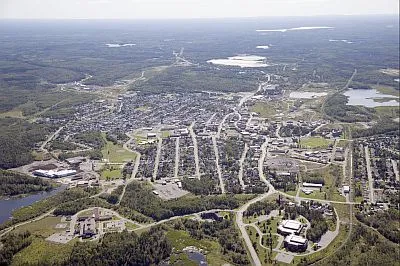
Market data as of 2026-08-16. Sold and leased figures are neighbourhood medians over the last 12 months, published only where at least 5 homes closed — never a single sale.
The honest readPros & cons
What people love
Peaceful atmosphere
Close-knit community
Natural surroundings
Keep in mind
Limited housing options
No recent sales data
The feel of the placeLifestyle
Daily life here is calm and community-focused, ideal for those seeking tranquility.
Great for nature lovers retirees
The areaWhat's nearby
Not enough verified data yet. We count schools, parks, transit and shops inside Kirkland Lake's real boundary and publish the numbers only once that count is confirmed — an estimate here would be worse than nothing.
The peopleWho lives here
774
Population (2021)
3,066.1 km²
Area
0
People per km²
56
Median age
$105,000
Median income
97%
Own their home
2.1
People per household
330
Households
Every age
Children (under 15)11.0%
Working age (15–64)61.0%
Seniors (65+)27.9%
What is built here
Detached houses97.3%
Own or rent
97%Owners
3%Renters
Across 330 households
When it was built
Mostly 1960 or earlier
1960 or earlier24%
1961–198021%
1981–199018%
1991–200014%
2001–20053%
2006–20106%
2011–20158%
2016–20213%
Share of occupied homes, by the era they were built in. Bars are drawn against the busiest era, not against each other, because the eras are not the same length. The eight shares are unlikely to total exactly 100: Statistics Canada rounds each era's count to the nearest 5 before publishing it, so we print what the census reports rather than adjusting a figure to make the column add up.
2.7%
Born outside Canada
19.4%
Hold a degree or higher
56.7%
Employment rate
0%
Commute by transit
92.3%
Commute by car
1.7
Children per family
$87,000
Median income after tax
$133,500
Average household income
8.4%
Living on a low income
$970/mo
Owners pay, per month
$348,000
Median home value at census
4.8%
Owners spending 30%+ of income on housing
Statistics Canada, Census of Population 2021. Added up from 1 census area around the listings we hold here. Medians and rates are a population-weighted average of dissemination-area figures.