
How to Buy and Sell a Home at the Same Time

HOMEH Publishing Department
Author Aug 26, 2023 6 min read
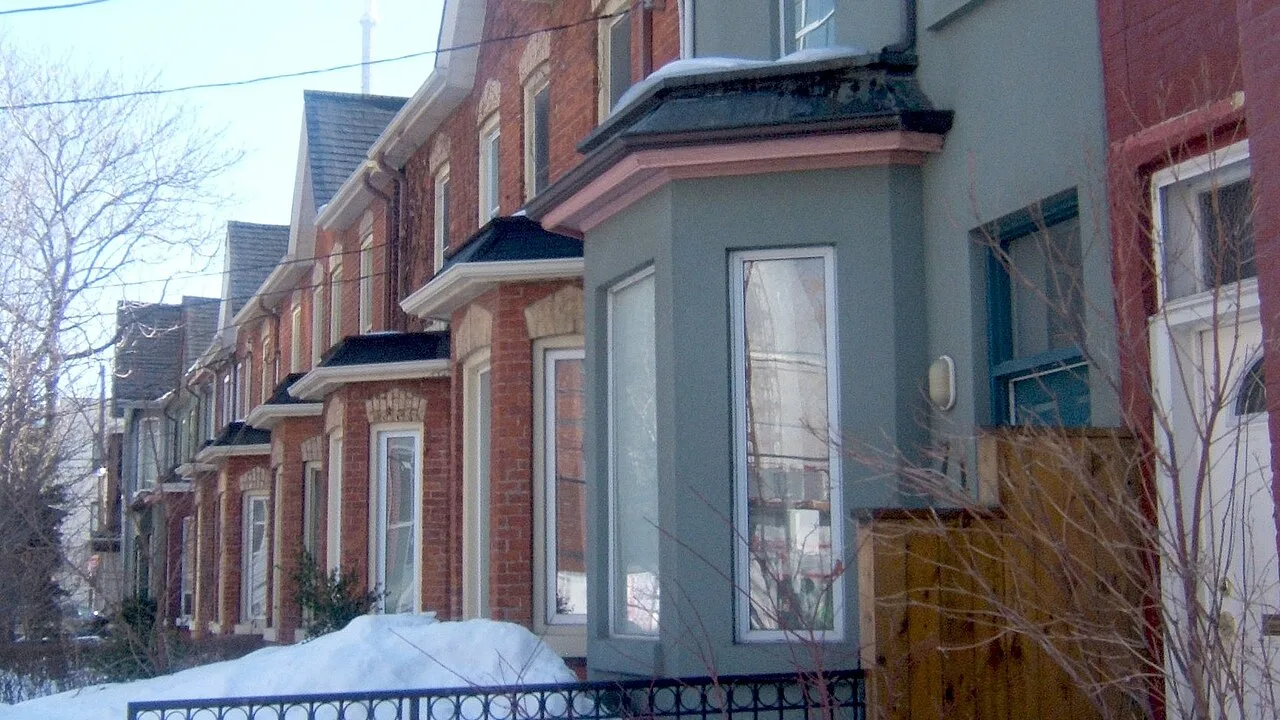
Most homeowners don't move in a straight line — they sell one home and buy another, often in the same stretch of weeks. Done well, buying and selling at the same time is a smooth handoff. Done poorly, it can mean two mortgages, a rushed sale, or scrambling for a place to stay. This guide walks through the timing, financing and strategy that keep the whole move under control.
 Key takeaways
- The core challenge is timing — aligning your sale's closing date with your purchase's closing date.
- You have three main paths: sell first, buy first, or close both on the same day.
- Bridge financing can cover a short gap when your purchase closes before your sale.
- Conditional offers and flexible closing dates are your best tools for reducing risk.
- HOMEH coordinates both sides of the move and gives eligible buyers the industry's highest Cashback Rebate. Sellers list for 1%, or free when they also buy with HOMEH within 6 months, or $395 + HST with a Mere Posting.
The real challenge: timing
When you own a home and want to move, the hard part isn't finding a buyer or finding a new place — it's making the two transactions meet in the middle. Your sale has a closing date (when you hand over your old home and receive the money) and your purchase has a closing date (when you pay for and take possession of the new one). The relationship between those two dates determines almost everything about how stressful, and how expensive, your move will be.
Ideally the proceeds from your sale arrive in time to fund your purchase. When they don't line up perfectly, you need a plan to cover the gap — either with cash, with bridge financing, or with a temporary place to live.

Your three options
Almost every same-time move comes down to one of three approaches. Each trades risk for convenience in a different way.
| Approach | Main advantage | Main risk |
|---|---|---|
| Sell first | You know exactly how much you have to spend | You may need temporary housing if you can't find a home in time |
| Buy first | No pressure to rush your purchase or settle | You could carry two mortgages until your old home sells |
| Same-day close | No gap, no double carrying costs | Tight, stressful timing if either deal is delayed |
Not sure which fits you? We compare these head-to-head in should you buy or sell first? — it walks through your finances, the market, and your tolerance for risk.
How financing fits in
Financing is what makes overlapping closings possible. There are two tools you'll hear about most often.
- Bridge financing — a short-term loan that uses the equity in your sold-but-not-yet-closed home to fund the down payment on your new one. It bridges the days or weeks between closings. Learn how it works in what is bridge financing.
- Porting your mortgage — moving your existing mortgage and its rate to your new property, which can save you from breaking your mortgage early and paying a penalty. See how to port your mortgage.

Smart moves to reduce risk
You can't control the market, but you can control how you structure your deals. A few tactics dramatically lower the odds of being caught with two homes — or none.
- Negotiate flexible closing dates. A longer closing on your sale, or a longer one on your purchase, buys you room to line everything up.
- Use conditional offers. When buying, a condition on the sale of your current home protects you from being stuck with two properties.
- Build a cash buffer. Even with bridge financing, keep reserves for moving, overlapping carrying costs, and surprises.
- Price your sale realistically. An overpriced home that lingers throws off your entire timeline. See how to price your home to sell.
- Line up your team early. One agent and one lawyer coordinating both deals keeps the dates and paperwork in sync.
Let HOMEH coordinate both sides
The smoothest same-time moves happen when one team handles your sale and your purchase together — aligning dates, financing and offers so nothing slips. HOMEH does exactly that, and because we list for a low fee and share commission back, you keep far more of your equity to fund the next home. Start by mapping your move with HOMEH's sell-and-buy service.

Frequently asked questions
Can I buy and sell a house at the same time?
What happens if my new home closes before my old one sells?
Should I make my purchase conditional on selling my current home?
Is it cheaper to close both deals on the same day?
Ready to put this into action?
Get pre-qualified in five minutes, or talk to a HOMEH advisor — no credit pull, no commitment.
Keep reading.
Buying & Selling
Bridge Loan vs HELOC for Buying and Selling

Buying & Selling
How to Choose the Right Closing Date

Buying & Selling
