
Capital Gains Tax When Selling a Home in Canada

HOMEH Publishing Department
Editorial team · HOMEH Inc., Brokerage · RECO #6000380 Nov 25, 2024 6 min read
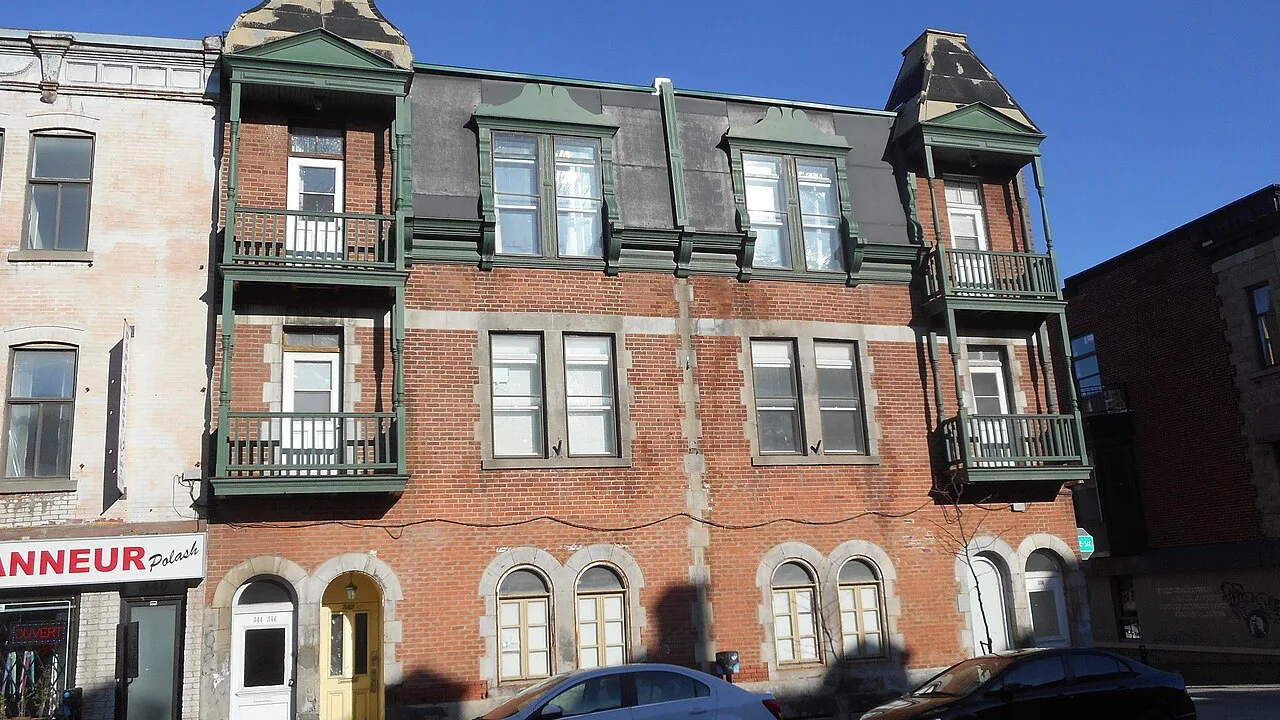
When you sell a home in Canada, one question matters more than almost any other for your bottom line: will you owe capital gains tax? The reassuring answer for most people is no — your principal residence is generally exempt. But the picture changes for rental properties, cottages, and inherited homes. Here's a plain-English guide to who pays, who doesn't, and how to plan.
 Key takeaways
- Your principal residence is generally exempt from capital gains tax when you sell.
- Rental properties, second homes and cottages can be subject to capital gains tax.
- A capital gain is the increase in value from what you paid (plus eligible costs) to what you sell for.
- Inherited properties have their own rules — the gain after the date of death may be taxable.
- Tax rules and inclusion rates change — confirm current figures with the CRA or a tax professional.
What is a capital gain on a home?
A capital gain is the profit you make when you sell a property for more than your adjusted cost — that's roughly what you paid, plus eligible purchase and improvement costs. If you sell for less than your cost, you have a capital loss instead. Whether that gain is taxable depends entirely on how the property was used.
Capital gains tax is a key part of your net proceeds, alongside commission and legal fees. For the full picture of what selling costs, see the real cost of selling a home in Ontario and closing costs when selling a house.
The principal residence exemption
The single most important rule for most sellers is the principal residence exemption. If the home you're selling was your principal residence for every year you owned it, the capital gain is generally fully exempt — you owe no capital gains tax. This is why the typical homeowner selling the place they live in pays nothing.
Even though it's exempt, the sale of a principal residence must still be reported on your tax return. You can only designate one property per family unit as a principal residence for a given year, which matters if you own more than one home.

When capital gains tax does apply
The exemption is for your home — not for every property you own. Capital gains tax generally applies when the property wasn't your principal residence for the whole time you owned it.
Common situations where tax may apply include selling a rental you never lived in, a cottage that was never your principal residence, or a property you bought to flip. If you rented out part of your home or used it for business, a portion of the gain may be taxable too.
Special cases: rentals and inherited homes
Rental properties are a frequent source of capital gains tax, because the principal residence exemption generally doesn't apply to a home you didn't live in. If you also claimed depreciation (capital cost allowance) over the years, selling can trigger additional tax. Read more in taxes on rental income in Canada.
Inherited homes have their own treatment: the gain up to the date of death is usually settled through the deceased's final return (where the principal residence exemption may apply), while any further increase before you sell may be taxable. We cover this in detail in how to sell an inherited property in Ontario.

Keep more of your gain with HOMEH
Tax is set by the government — but your commission isn't. HOMEH lists for a 1% listing fee instead of the traditional ~5% commission, or free when you also buy with HOMEH within 6 months, or $395 + HST with a Mere Posting, which protects more of your sale proceeds.

Frequently asked questions
Do I pay capital gains tax when I sell my home in Canada?
Do I pay capital gains tax on a rental property?
Is an inherited property subject to capital gains tax?
Can I claim two properties as my principal residence?
Ready to put this into action?
Get pre-qualified in five minutes, or talk to a HOMEH advisor — no credit pull, no commitment.
Keep reading.
Selling a Home
Staging vs Selling As-Is: Which Nets You More?
Selling a Home
How Long Does It Take to Sell a House in Ontario?

Selling a Home
