
How to Evict a Tenant in Ontario (The Legal Process)

HOMEH Publishing Department
Author Nov 09, 2023 6 min read
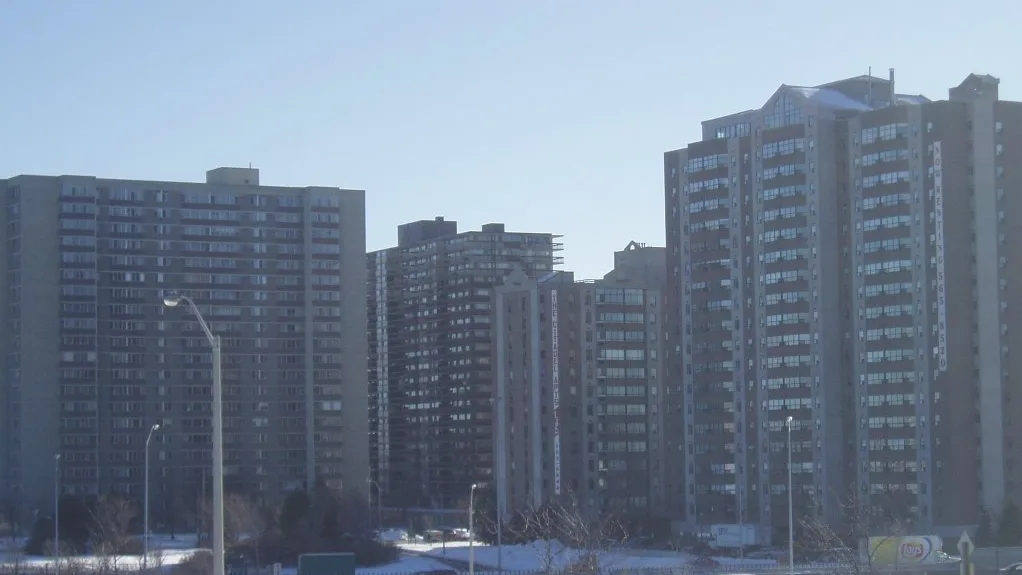
Eviction is the part of being a landlord no one looks forward to — and the part where mistakes are most costly. In Ontario, there is exactly one lawful path: a formal process through the Landlord and Tenant Board (LTB) under the Residential Tenancies Act. You can never change the locks, remove belongings, or shut off utilities. Here's how to do it the legal way.
 Key takeaways
- Self-help evictions are illegal in Ontario — only the LTB can order a tenant removed.
- Eviction starts with the correct notice form (such as N4 for non-payment of rent).
- If the tenant doesn't comply or move out, you apply to the Landlord and Tenant Board.
- Only the Court Enforcement Office (Sheriff) can physically remove a tenant after an LTB order.
- The process takes time, which is why careful tenant screening up front is so valuable.
The golden rule: no self-help evictions
Before anything else, understand this: in Ontario you cannot evict a tenant on your own. Changing the locks, removing a tenant's belongings, or cutting off heat, water or electricity to force someone out is illegal — even if the tenant hasn't paid rent in months. Every eviction must go through the Landlord and Tenant Board, which administers the Residential Tenancies Act.

Step 1: Serve the correct notice
The process begins with a written notice on the correct LTB form, matched to the reason for ending the tenancy. The notice gives the tenant a chance to fix the problem (for example, by paying overdue rent) or to move out by a set date.
| Form | Reason | Tenant's chance to fix? |
|---|---|---|
| N4 | Non-payment of rent | Yes — pay the arrears |
| N5 | Damage or disturbing others | Often yes — first notice |
| N12 | Landlord/buyer needs the unit | No — but conditions apply |
| N13 | Major repairs or demolition | No — but conditions apply |
Each form has its own required notice period and rules. Using the wrong form, or filling it out incorrectly, is one of the most common reasons eviction applications fail.
Step 2: Apply to the LTB
If the tenant doesn't resolve the issue or move out by the deadline in the notice, your next step is to file an application with the Landlord and Tenant Board. The LTB schedules a hearing where both you and the tenant can present evidence. Bring your lease, payment records, the notice you served, and any supporting documentation.
The LTB is the same tribunal that handles rent disputes and above-guideline increases — learn more about how it fits the bigger picture in rent control in Ontario and our pillar guide, how to become a landlord in Ontario.
Step 3: The hearing and the order
At the hearing, the LTB member reviews the evidence and decides. The Board may order the tenant to pay arrears, dismiss the application, or issue an eviction order. Even when an eviction is ordered, the LTB can give the tenant time to comply, and tenants are often able to stop the eviction by paying what they owe before it's enforced.
Step 4: Enforcement — and how to avoid getting here
If the LTB issues an eviction order and the tenant still doesn't leave, the order is enforced by the Court Enforcement Office (the Sheriff) — not by you. Only the Sheriff can physically remove a tenant. Acting on your own at any point in this process is unlawful.
The whole process can take time, which is exactly why prevention matters most. Strong tenant screening before move-in is the single best way to avoid ever reaching an eviction hearing. For the tenant's view of the same system, see tenant rights in Ontario.

Frequently asked questions
Can I evict a tenant without going to the LTB in Ontario?
What form do I use to evict for non-payment of rent?
How long does eviction take in Ontario?
Who physically removes a tenant after an eviction order?
Can a tenant stop an eviction by paying what they owe?
Ready to put this into action?
Get pre-qualified in five minutes, or talk to a HOMEH advisor — no credit pull, no commitment.
Keep reading.

Renting Out a Home
Furnished vs Unfurnished Rental: Which Earns More?

Renting Out a Home
How to Be a Good Landlord

Renting Out a Home
