
Living in Toronto: A Neighbourhood Guide

HOMEH Publishing Department
Author Nov 30, 2023 6 min read
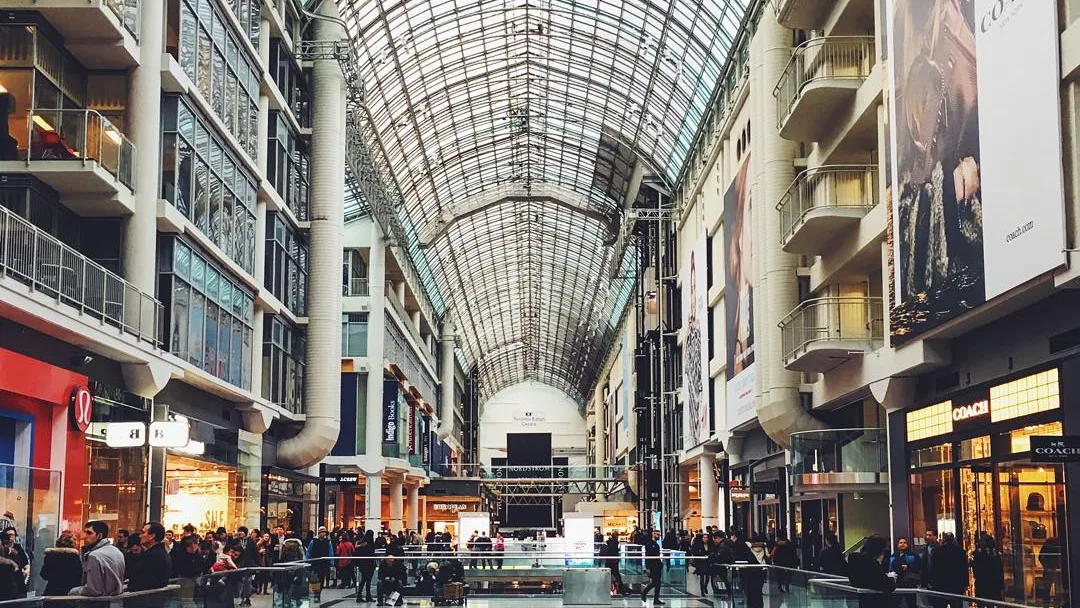
Toronto is Canada's largest city and the beating heart of the GTA — a place where 140-plus neighbourhoods, dozens of languages and a world-class food and culture scene all sit within a single transit map. Living here means trading square footage for walkability and energy. Here's an honest, neighbourhood-by-neighbourhood look at what it's really like to call Toronto home.
 Key takeaways
- Toronto is defined by its neighbourhoods — from the high-rise core to leafy, village-like pockets across the city.
- It has the GTA's best transit, anchored by the TTC subway, streetcars and GO Transit.
- Homes lean toward condos downtown and older semis, townhouses and detached houses in the residential neighbourhoods.
- Toronto has one of the lowest property tax rates in the GTA — but is the only city with a second municipal land transfer tax.
- Browse current listings on the HOMEH Toronto real estate page to see what your budget buys.
Why people live in Toronto
People choose Toronto for the things you simply can't get in the suburbs: the ability to live car-free, walk to work or a subway stop, and have restaurants, theatre, sports, festivals and parkland all within reach. It's one of the most diverse cities on earth, which shows up in everything from the food on Gerrard Street to the festivals that fill the calendar. The trade-off is cost and space — you generally pay more per square foot here than anywhere else in the GTA. For a wider view of the region, see our guide to the best places to live in the GTA.

Neighbourhoods to know
Toronto is really a collection of distinct communities. A quick orientation for newcomers:
- Downtown core — the Financial District, Entertainment District and waterfront: high-rise condos, steps from work and transit.
- The Annex & Yorkville — historic homes, the university, and the city's most upscale shopping.
- Leslieville & the Beaches — east-end favourites with cafés, semis and a lakeside boardwalk.
- Leaside & Davisville — leafy, family-friendly midtown streets with strong schools.
- High Park & the Junction — west-end character, green space and revitalized main streets.
- North York, Scarborough & Etobicoke — the city's larger boroughs, with more space, detached homes and value.
Getting around
Toronto has the most comprehensive transit network in the GTA. The TTC runs the subway, streetcars and buses, while GO Transit connects the city to the wider region by rail. Many downtown residents go without a car entirely. If you do drive, expect heavy traffic on the Gardiner, the DVP and the 401 at rush hour — proximity to a subway or GO line is one of the most valuable things a Toronto address can offer, and it's reflected in home prices.
Schools and families
Toronto is served by the Toronto District School Board and the Toronto Catholic District School Board, along with a large number of private and specialized schools and several universities and colleges. Families often gravitate to midtown and east-end neighbourhoods like Leaside, Davisville and the Beaches for their established schools and parks. As with the rest of the GTA, school catchments can influence home prices, so it's worth confirming boundaries before you commit to an area. Families who want more space sometimes look just north to Markham or Richmond Hill instead.
Lifestyle and things to do
Few cities pack as much into one place. You've got professional sports, the waterfront and the Islands, ravine trails that thread through the city, major museums and galleries, and a food scene that spans the globe. Whatever your interests — live music, patios, markets, festivals — there's a neighbourhood built around them. That richness is a big part of why so many people accept smaller living spaces to be here.
What homes are like in Toronto
Toronto's housing is the most varied in the GTA: glass condos downtown, century-old Victorians and semis in the older neighbourhoods, and more detached homes and bungalows in the boroughs of North York, Scarborough and Etobicoke. Prices vary enormously by neighbourhood and home type, so the best way to gauge the market is to browse live listings and recent sales on the HOMEH Toronto real estate page, then check your buying power with the affordability calculator. If you're new to the process, our guide to buying a house in Ontario walks through every step. And remember that Toronto buyers pay a municipal land transfer tax on top of the provincial one — read our guide to the Toronto municipal land transfer tax before you budget.

Frequently asked questions
Is Toronto a good place to live?
What is the cheapest area to live in Toronto?
Do you need a car to live in Toronto?
Does Toronto have higher closing costs than the rest of the GTA?
Ready to put this into action?
Get pre-qualified in five minutes, or talk to a HOMEH advisor — no credit pull, no commitment.
Keep reading.
Lifestyle
The Best Places to Live in the GTA
Lifestyle
The Best Schools in Markham
Lifestyle
