
Getting a Mortgage as a New Immigrant to Canada

HOMEH Publishing Department
Author Oct 20, 2025 7 min read
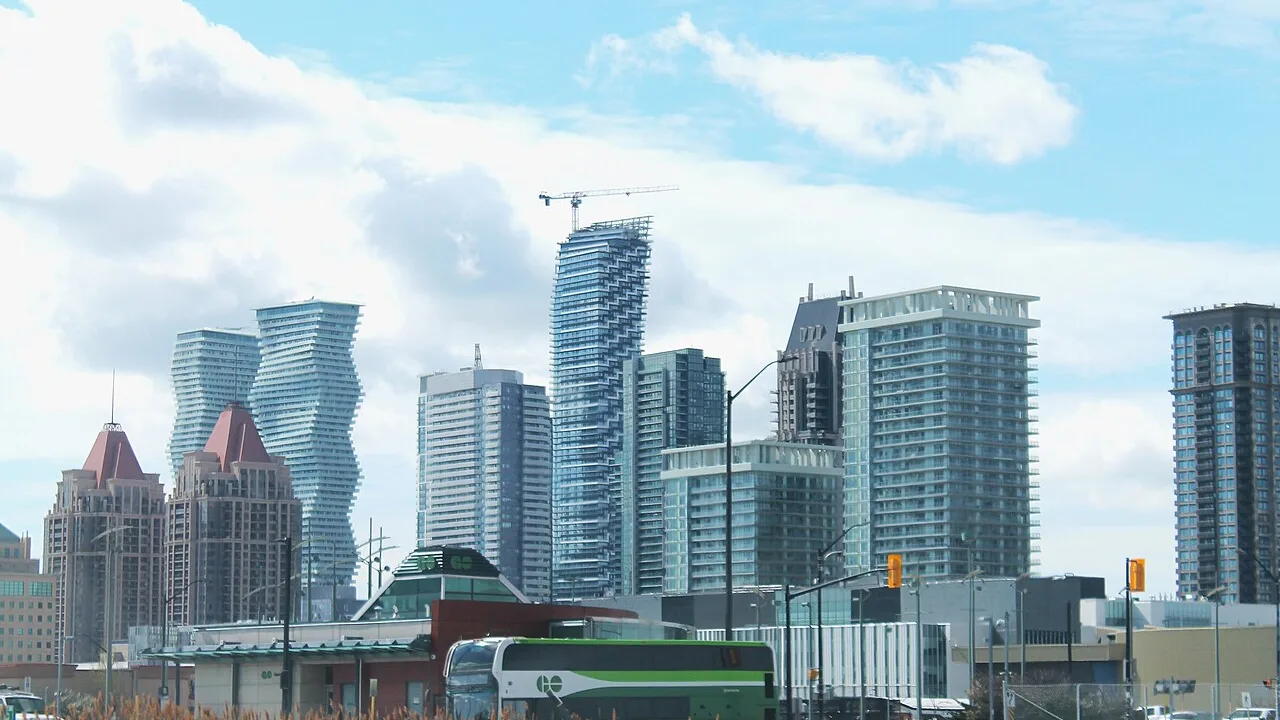
Buying a home soon after landing in Canada can feel out of reach when you have no domestic credit history and a short work record. The good news: lenders have programs built specifically for newcomers, and many of the same rules that apply to everyone else — the down payment minimums, the stress test, the debt ratios — apply to you too. This guide walks through how a new immigrant can get a mortgage in Canada, what lenders look for, and where the common roadblocks are.
 Key takeaways
- Newcomers can often qualify with as little as 5% down, the same minimum as any other buyer in Canada.
- No Canadian credit history is the biggest hurdle — but newcomer mortgage programs and alternative proof can bridge the gap.
- You still must pass the federal stress test: qualifying at your contract rate plus 2%, or 5.25%, whichever is higher.
- Permanent residents and many work-permit holders are both eligible, though terms differ.
- HOMEH gives eligible buyers the industry's highest Cashback Rebate — a meaningful head start when you're new to the country.
Can a newcomer get a mortgage in Canada?
Yes. Both permanent residents and many temporary residents on valid work permits can qualify for a mortgage in Canada. Major lenders run dedicated newcomer mortgage programs precisely because so many recent arrivals want to buy, and the federally backed insurer CMHC accommodates newcomer applications. What changes for newcomers isn't whether you can borrow — it's how you prove you can repay when you don't yet have a long Canadian paper trail.
Before anything else, it helps to understand the basics every buyer needs to know. Start with our plain-English guide to how mortgages work in Canada, then come back here for the newcomer-specific details.
How much down payment do you need?
Newcomers generally face the same minimum down payment rules as everyone else. On a purchase price under $500,000 the minimum is 5%. Between $500,000 and $1,499,999 it's 5% on the first $500,000 plus 10% on the portion above. At $1,500,000 or more, you need at least 20%.

The credit history problem (and how to solve it)
The single biggest obstacle for newcomers is the absence of a Canadian credit score. Lenders normally lean on your credit history to gauge risk, and a foreign credit report usually doesn't transfer. Newcomer mortgage programs work around this by accepting alternative proof of reliability.
- An international credit report from your home country, where the lender accepts one.
- A reference letter from a recognized financial institution abroad.
- Proof of on-time rent and utility payments over recent months.
- A larger down payment, which lowers the lender's risk and can offset a thin credit file.
Building Canadian credit quickly also helps. A secured credit card used responsibly, plus paying every bill on time, can establish a domestic score within months. For the broader picture, our overview of how mortgages work in Canada explains the role credit plays in approval.
Income, the stress test and debt ratios
Lenders want to see stable income. A permanent full-time job is strongest, but a signed employment letter and recent pay stubs can be enough even if you started recently. Whatever your situation, you must pass the federal mortgage stress test: you have to qualify at the greater of your contract rate plus 2% or the 5.25% benchmark floor.
Lenders also check your debt service ratios. Aim to keep your Gross Debt Service (housing costs against gross income) at or below 39%, and your Total Debt Service (all debts) at or below 44%. If you have a co-applicant such as a spouse, your combined income is assessed together — see our guide to joint mortgages.

Insured mortgages and CMHC for newcomers
If your down payment is under 20%, your mortgage must be insured. The premium depends on how much you put down — 4.00% of the mortgage with 5%–9.99% down, 3.10% with 10%–14.99%, and 2.80% with 15%–19.99%. The premium is added to your mortgage, and in Ontario the 8% PST on the premium is paid at closing. Newcomers are eligible for default insurance through CMHC and the private insurers, provided the program criteria are met.
Want a precise estimate for your situation? Run the numbers with the HOMEH CMHC calculator and the down payment calculator.
How HOMEH helps newcomers buy for less
Settling in a new country is expensive, so every dollar back matters. HOMEH is a licensed Ontario brokerage that gives eligible buyers the industry's highest Cashback Rebate — money that can go toward your closing costs, moving expenses, or simply your new life here. Sellers list for 1%, or free when they also buy with HOMEH within 6 months, or $395 + HST with a Mere Posting. Estimate yours with the cashback calculator, and when you're ready to get financing, you can talk to a mortgage broker.
Frequently asked questions
Can I get a mortgage in Canada without a Canadian credit history?
Do I need to be a permanent resident to buy a home in Canada?
How much down payment do newcomers need?
Do newcomers have to pass the mortgage stress test?
Can my family help with my down payment?
Ready to put this into action?
Get pre-qualified in five minutes, or talk to a HOMEH advisor — no credit pull, no commitment.



