
Property Tax in Ontario: How It Works and What You'll Pay

HOMEH Publishing Department
Author Jul 11, 2023 5 min read
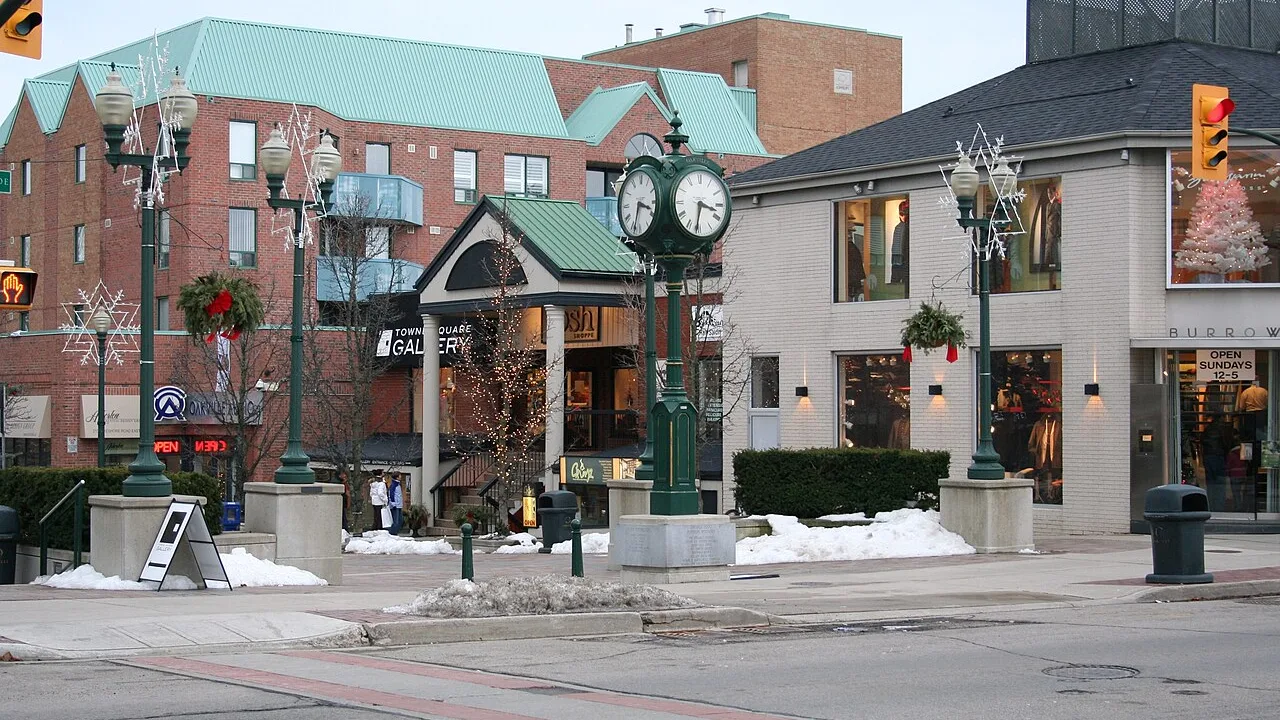
Land transfer tax is a one-time hit. Property tax is forever — an annual cost every Ontario homeowner pays for as long as they own. It funds your city's services, and the rate varies a lot from one municipality to the next. Counter-intuitively, Toronto's rate is among the lowest in the GTA. Here's how property tax works, what drives your bill, and how to estimate it before you buy.
 Key takeaways
- Property tax is an ongoing annual cost set by each municipality — not the province.
- Your bill = your home's assessed value multiplied by the municipal tax rate.
- Toronto's rate is among the lowest in the GTA (~0.7%); many 905 cities are higher (~0.9%–1.3%).
- A lower tax rate doesn't always mean a lower bill — higher home values can offset it.
- Property tax is separate from your one-time land transfer tax at purchase.
What is property tax?
Property tax is the annual charge your municipality levies on every property to fund local services — roads, transit, garbage collection, fire, police, libraries and more. It's completely separate from the one-time land transfer tax you pay when you buy, and from your mortgage. You'll pay it every year you own the home, typically in instalments.

How your bill is calculated
Your annual property tax is a simple formula:

So a home assessed at $800,000 in a city with a 1.0% rate would owe roughly $8,000 a year. Two things move your bill: the assessed value of your home, and the rate your municipality sets in its annual budget.
Why Toronto's rate is so low
Here's the surprise for many buyers: Toronto has one of the lowest property tax rates in the GTA (around 0.7%), while many surrounding 905 municipalities sit higher (often 0.9% to 1.3%). Toronto can keep its rate low because its large, high-value tax base spreads costs across many expensive properties. It's a different story at purchase, where Toronto buyers face the highest land transfer tax in the province.
Estimating your annual cost
Because rates vary so much by city, property tax is worth checking before you commit to a neighbourhood — a higher-tax municipality can add hundreds of dollars to your monthly carrying cost. Compare municipalities with the property tax calculator, and fold the result into your overall affordability picture.
- Find the municipality's current residential tax rate.
- Multiply it by the home's assessed (or purchase) value for a rough annual figure.
- Divide by 12 to see the monthly impact on your budget.
- Compare cities — the same home can cost very different amounts to hold.
Remember property tax sits on top of your other one-time closing costs at purchase, and continues every year afterward.
How HOMEH helps
Property tax is set by your city — you can't negotiate it. But you can put thousands back in your pocket on the transaction itself.

Frequently asked questions
How is property tax calculated in Ontario?
Why is Toronto's property tax rate so low?
Is property tax the same as land transfer tax?
Does a low tax rate mean a low bill?
How do I estimate property tax before buying?
Ready to put this into action?
Get pre-qualified in five minutes, or talk to a HOMEH advisor — no credit pull, no commitment.
Keep reading.
Closing Costs
7 Closing Cost Mistakes to Avoid
Closing Costs
Closing Costs for Condos vs Houses
Closing Costs
