
7 Things That Affect Your Mortgage Affordability

HOMEH Publishing Department
Author Dec 01, 2025 5 min read
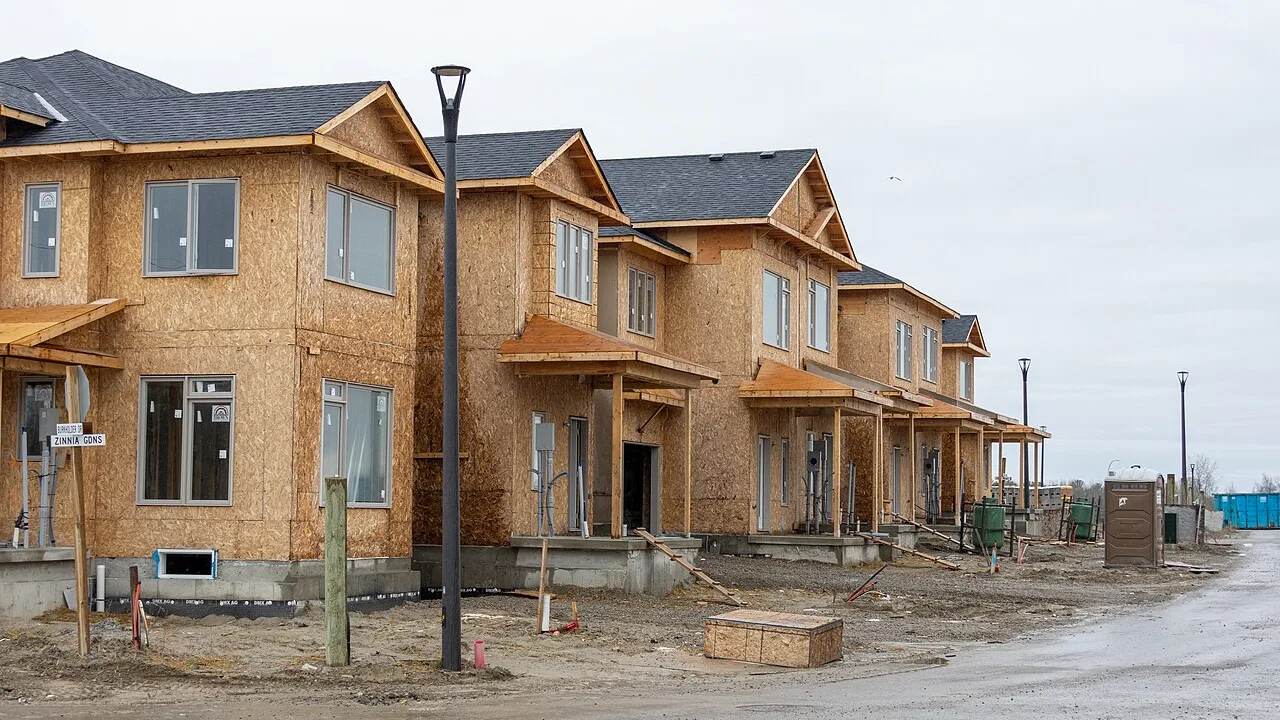
How much house can you actually afford? It's not just about your salary. Lenders weigh your income, debts, down payment, credit, and the stress test together to decide your maximum mortgage. Here are the seven factors that affect your mortgage affordability in Canada — and what you can do about each one.
 Key takeaways
- Affordability is driven by income, debts, down payment, credit, rates, the stress test, and amortization.
- Lenders cap your housing costs and total debts using GDS and TDS ratios.
- The stress test means you must qualify at a higher rate than your contract rate.
- A bigger down payment and lower debts can meaningfully raise what you qualify for.
- HOMEH gives eligible buyers the industry's highest Cashback Rebate.
The 7 factors lenders weigh
Mortgage affordability is a balance of several inputs. Change one and your maximum loan can move significantly. The seven biggest levers are:
- Income — your gross, stable, provable income is the starting point.
- Existing debts — car loans, credit cards, and lines of credit reduce what's left for a mortgage.
- Down payment — a larger one shrinks the amount you need to borrow.
- Credit score — a stronger score can mean better rates and easier approval.
- Interest rate — higher rates mean higher payments, lowering your maximum.
- The stress test — you must qualify at a rate higher than your contract rate.
- Amortization — a longer amortization lowers payments and can raise affordability.
For the foundation behind all of this, start with our pillar guide on how mortgages work in Canada.
Debt service ratios: GDS and TDS
Lenders use two ratios to keep your payments manageable. GDS (Gross Debt Service) measures your housing costs against gross income; TDS (Total Debt Service) measures all your debts against income.
| Ratio | What it measures | Aim for |
|---|---|---|
| GDS | Housing costs ÷ gross income | ≤ 39% |
| TDS | All debt payments ÷ gross income | ≤ 44% |
This is exactly why paying down other debt boosts your buying power. Learn more in what is your debt-to-income ratio (GDS & TDS).
The stress test and your rate
Under federal rules, you must qualify at the greater of your contract rate plus 2% or 5.25% (the benchmark floor). So even if your actual rate is lower, your affordability is calculated as if it were higher — which protects you if rates rise.
Because your rate drives your payment, it directly shapes affordability. See what is the mortgage stress test and how mortgage rates are determined. You can also model the impact with the stress test calculator.
Down payment and amortization
A larger down payment reduces your loan and your insurance costs — and at 20% down you skip CMHC insurance entirely. A longer amortization spreads payments over more years, lowering each payment and nudging affordability up (though you pay more interest overall).
Understand the difference between your deposit and your down payment in deposit vs down payment, and see how amortization works.
How to improve your affordability
You can move several of these levers: pay down high-interest debt to free up your TDS, save a larger down payment, and protect your credit score. Then put real numbers in the affordability calculator to see your maximum.

Frequently asked questions
What is the biggest factor in mortgage affordability?
What are GDS and TDS ratios?
How does the stress test affect how much I can afford?
Does paying off debt increase how much mortgage I can get?
Does a bigger down payment increase affordability?
Ready to put this into action?
Get pre-qualified in five minutes, or talk to a HOMEH advisor — no credit pull, no commitment.



