
Average Rent in Toronto: What to Expect

HOMEH Publishing Department
Author Jan 10, 2025 6 min read
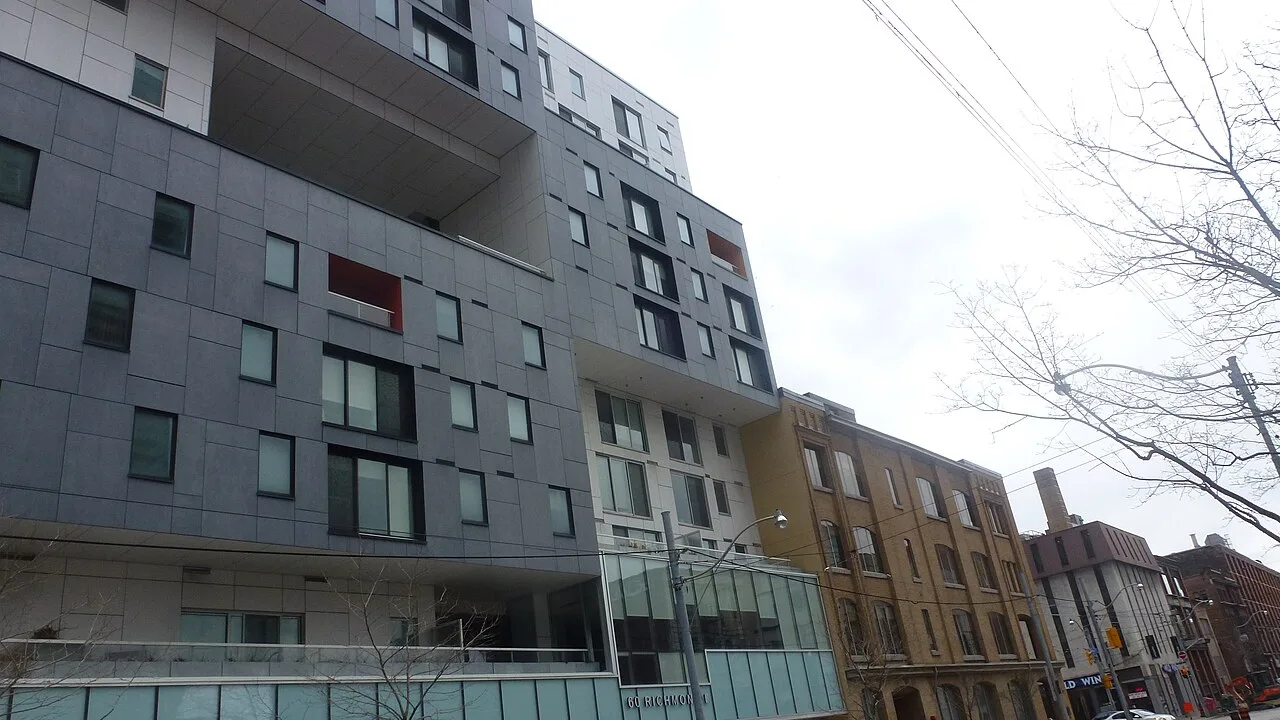
"Average rent in Toronto" is one of the most-searched housing questions in Canada — but a single number rarely tells the truth. What you'll pay depends heavily on the neighbourhood, unit type, building age and timing. This guide shows you how to read the market like a local and understand the rent rules that protect you once you've signed.
 Key takeaways
- There is no single "average" — Toronto rent swings widely by area, size and building type.
- The most reliable gauge is live listings for the exact kind of unit you want.
- Newer, transit-connected and downtown units generally command higher rents than older or outer-area ones.
- Once you're in a covered unit, rent can rise only once a year — the 2026 guideline is 2.1%.
- Units first occupied after November 15, 2018 are exempt from the rent increase guideline.
Why there's no single average rent
Quoting one "average rent" for a city as large and varied as Toronto is misleading. A studio in a 40-year-old walk-up and a two-bedroom in a brand-new downtown tower can differ by thousands of dollars a month. Averages also lag the market — by the time a figure is published, conditions may have shifted.
Instead of chasing a headline number, look at what's actually available for the specific unit you want, in the specific areas you'd live. The best, most current snapshot of the market is the listings themselves. Browse what's renting right now on the HOMEH rentals page and filter by your bedroom count, budget and neighbourhood.
What drives rent up or down
A handful of factors explain most of the variation in Toronto rents. Understanding them helps you spot a fair price — and a good deal — when you see one.
- Neighbourhood — downtown and transit-rich areas typically cost more than outer or 905 suburbs.
- Unit size — each additional bedroom adds a meaningful premium.
- Building age and amenities — newer towers with gyms and concierge usually rent higher than older walk-ups.
- Furnishing and utilities — furnished or all-inclusive units carry a premium.
- Timing — competition (and prices) often peak in late summer and early fall.

How to gauge the real market
The fastest way to learn the going rate is to spend an hour browsing active listings for your target unit. Pull up ten or fifteen comparable places and you'll quickly see the range — and which listings are over- or under-priced. For a structured approach to evaluating each unit you tour, see our guide on what to look for in a rental, and our playbook on how to find an apartment in Toronto.

Rent rules once you've signed
Whatever you agree to at signing, Ontario law limits how fast it can climb afterward. For most units first occupied on or before November 15, 2018, rent can increase only once every 12 months, by no more than the provincial guideline, with 90 days' written notice on Form N1. The 2026 rent increase guideline is 2.1%.
Units first occupied after November 15, 2018 are exempt from the guideline, so increases on those units aren't capped at 2.1% — a key thing to confirm before you sign. Also note that a landlord can ask for last month's rent as a deposit, but damage or security deposits are not allowed in Ontario. Learn the full set of protections in our pillar guide to tenant rights in Ontario and our breakdown of how much a landlord can raise rent.
Is buying cheaper than renting?
With Toronto rents where they are, many tenants ask whether ownership makes more sense. The answer depends on your timeline, savings and the market — our guide on renting vs buying in Canada helps you decide.

Frequently asked questions
What is the average rent in Toronto?
Why is rent so different across Toronto?
How much can my rent increase each year?
Do I have to pay a damage deposit to rent in Toronto?
Ready to put this into action?
Get pre-qualified in five minutes, or talk to a HOMEH advisor — no credit pull, no commitment.
Keep reading.

Renting a Home
Renting a Condo vs an Apartment Building
Renting a Home
Your First Apartment Checklist (Ontario Edition)

Renting a Home
