
The Best Home Improvements for Resale Value

HOMEH Publishing Department
Author Jan 15, 2026 6 min read
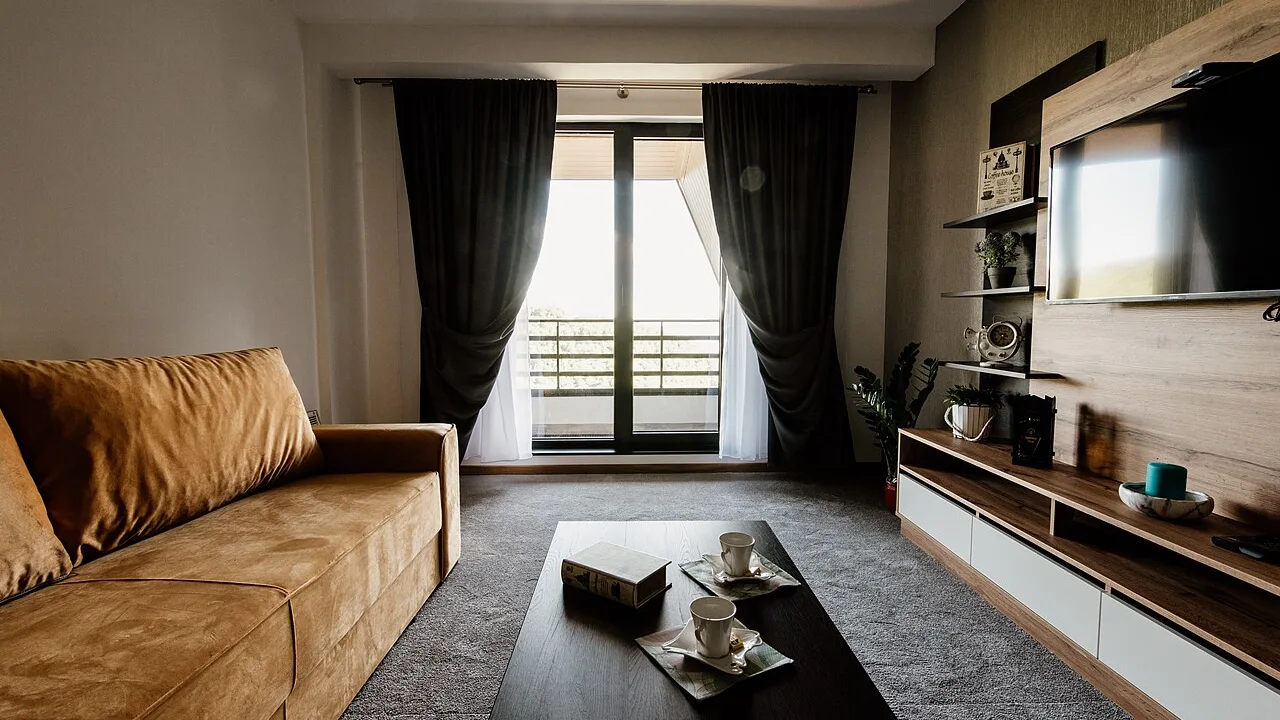
When you're selling, the goal isn't the prettiest renovation — it's the one that returns the most at the negotiating table. Some upgrades genuinely move the sale price; others quietly drain your budget without budging an offer. Here's where Ontario sellers get the best resale value, and where to stop spending.
 Key takeaways
- The best resale returns usually come from kitchens, bathrooms, fresh paint and strong curb appeal.
- Repairs and clean-ups often beat big renovations dollar-for-dollar.
- Over-improving past your neighbourhood's price ceiling rarely pays off.
- Get a current valuation before you spend, so you renovate with data — not guesses.
- HOMEH lists for 1%, or free when you also buy with HOMEH within 6 months, or $395 + HST with a Mere Posting, so more of your sale price is left for pre-sale improvements.
Why some improvements pay and others don't
Resale value comes down to what buyers will actually pay more for. Improvements that make a home feel move-in ready, modern and well-maintained tend to return the most, because they remove objections and let buyers picture themselves living there. Highly personal or over-the-top upgrades — a wine cellar, a niche colour scheme, a pool in the wrong neighbourhood — rarely return their cost.
It also helps to think like a buyer. Most people aren't paying a premium for invisible upgrades like a new furnace or rewiring — those are expected baseline maintenance, not selling features. What earns extra dollars is the stuff buyers can see and feel the moment they walk in: a bright, clean kitchen, a fresh-feeling bathroom, and floors and walls that don't need work. Spend where the emotional impact and the visible 'move-in ready' signal are highest.
Before spending a dollar, find out what your home is worth today and where the value gaps are. Start with a free home valuation and read what repairs actually increase home value.
The highest-return improvements
These consistently do the most work for the least risk when you're preparing to sell:
- Fresh paint — neutral, modern colours are the single cheapest way to make a home feel updated.
- Kitchen refresh — you don't always need a gut job; new hardware, counters or refaced cabinets go a long way.
- Bathroom updates — re-caulking, new fixtures, lighting and a clean vanity read as 'well cared for.'
- Curb appeal — landscaping, a tidy entry and a clean exterior drive the all-important first impression.
- Flooring — replacing worn carpet or scratched floors removes a common buyer objection.

Improvements that rarely pay off
Some projects are great if you're staying for years, but a weak bet right before selling:
| Project | Why it underperforms |
|---|---|
| Swimming pool | High cost, polarizing; many buyers see it as maintenance, not value. |
| Luxury kitchen in a modest home | Over-improves past the neighbourhood ceiling. |
| Highly personalized design | Bold finishes narrow your buyer pool. |
| Garage conversion | Buyers often want the parking and storage back. |
| Major additions before selling | Rarely return full cost on a quick turnaround. |
Don't over-improve past your ceiling
Every neighbourhood has a price ceiling — the most buyers will realistically pay for a home there, no matter how nice. Pour $120,000 into a home in a street that tops out well below that and you simply won't get it back. The smart move is to bring your home up to the standard of comparable sold homes, not past it.
This is exactly what a comparative market analysis (CMA) shows you. It identifies the realistic top of your market so you can renovate to compete, then price correctly — see how to price your home to sell.
A practical rule of thumb: match your home to the best comparable that recently sold nearby, then stop. If similar homes in your area sold with quartz counters and updated bathrooms, those upgrades help you keep pace. But adding finishes far beyond what your block supports turns a renovation into a donation — you pay for it, and the next owner enjoys it for free.
Fund your improvements with HOMEH
Pre-sale improvements cost money up front, and traditional selling costs eat into what you get back. That's where HOMEH changes the math: a 1% listing fee instead of the usual ~5% commission means far more of your sale stays with you.

Frequently asked questions
What home improvements add the most value when selling?
Is it worth renovating before selling?
What renovations don't add value?
How do I know how much to spend on improvements?
Can HOMEH's listing fee savings help pay for pre-sale improvements?
Ready to put this into action?
Get pre-qualified in five minutes, or talk to a HOMEH advisor — no credit pull, no commitment.
Keep reading.
Selling a Home
When Is the Best Time to Sell a House in Ontario?
Selling a Home
Capital Gains Tax When Selling a Home in Canada

Selling a Home
