
How Much Money Do You Need to Buy Your First Home?

HOMEH Publishing Department
Author Jul 28, 2024 5 min read
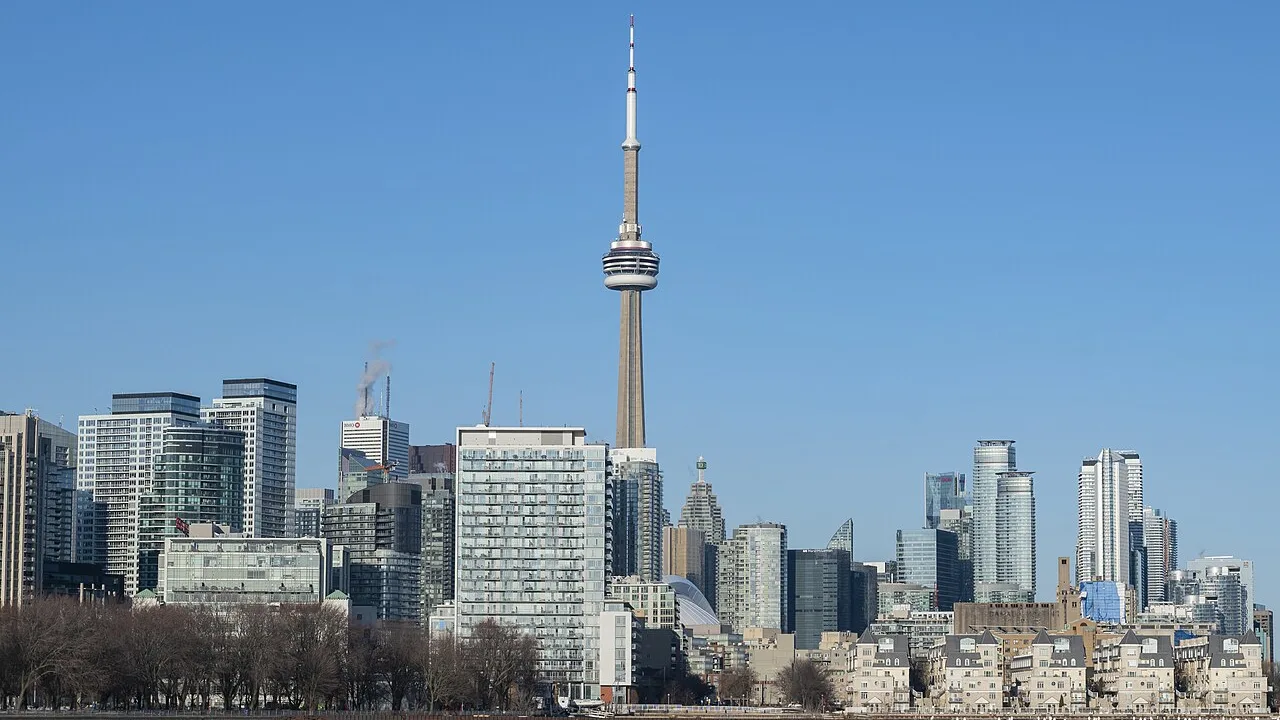
The biggest first-home myth is that you only need a down payment. In reality, the cash you bring to the table is a stack of separate costs: your down payment, your closing costs, and a sensible buffer for the unexpected. This guide adds up exactly what you need to buy your first home in Ontario, using real numbers so you can set a savings target that won't fall short on closing day.
 Key takeaways
- Your upfront cash = down payment + closing costs (roughly 1.5%–4% of price) + a buffer.
- The minimum down payment is 5% up to $500,000, then 10% on the portion above, and 20% at $1.5M+.
- First-time buyers can tap the FHSA ($40,000 lifetime) and the RRSP Home Buyers' Plan ($60,000).
- Closing costs include land transfer tax, legal fees, title insurance, and inspection.
- HOMEH gives eligible buyers the industry's highest Cashback Rebate — real money toward your first home.
The three buckets of cash you need
Plan your savings around three buckets. Skip any one of them and you risk being short on closing day.
- Down payment — the equity you put down, from 5% to 20% depending on price.
- Closing costs — one-time fees of roughly 1.5%–4% of the price, due at closing.
- Buffer — moving, immediate repairs, and a few months of cushion.
For the full picture from offer to keys, start with our first-time home buyer guide for Ontario.
Bucket 1: the down payment
Canada's minimum down payment is tiered. For a home under $500,000 you need 5%. Between $500,000 and $1,499,999 you need 5% on the first $500,000 plus 10% on the portion above. At $1,500,000 or more, the minimum is 20% and the mortgage cannot be insured.
| Purchase price | Minimum down payment | Example |
|---|---|---|
| $400,000 | 5% | $20,000 |
| $600,000 | 5% + 10% above $500k | $35,000 |
| $900,000 | 5% + 10% above $500k | $65,000 |
| $1,500,000+ | 20% | $300,000+ |

Bucket 2: closing costs
Closing costs are separate from your down payment and paid from your own funds. Budget 1.5% to 4% of the purchase price. Land transfer tax is usually the largest line item — and Toronto buyers pay both a provincial and a municipal version.
Good news for first-timers: you can claim a provincial land transfer tax rebate of up to $4,000 (plus up to $4,475 in Toronto). See the full list in the land transfer tax rebate guide and the complete cost breakdown in closing costs in Ontario explained.
Programs that stretch your savings
First-time buyers have two powerful tax-advantaged tools. The FHSA lets you contribute up to $8,000 per year, $40,000 lifetime, with tax-deductible contributions and tax-free qualifying withdrawals. The RRSP Home Buyers' Plan lets you withdraw up to $60,000 per person ($120,000 per couple) tax-free, repaid over 15 years.

How HOMEH lowers the bar
Saving the cash is the hard part — so it helps when money comes back. HOMEH gives eligible buyers the industry's highest Cashback Rebate, which can offset your closing costs or top up your down payment. Estimate yours with the cashback calculator, then confirm your target with the down payment calculator.
Frequently asked questions
How much money do I need to buy my first home in Ontario?
Can I use my RRSP and FHSA for a down payment?
Do first-time buyers get money back on closing costs?
How much should I keep as a buffer after closing?
Ready to put this into action?
Get pre-qualified in five minutes, or talk to a HOMEH advisor — no credit pull, no commitment.
Keep reading.
First-Time Home Buyers
The Biggest First-Home Buying Fears (and How to Beat Them)
First-Time Home Buyers
FHSA vs RRSP vs TFSA for Buying a Home
First-Time Home Buyers
