
How to Get Pre-Approved as a First-Time Buyer

HOMEH Publishing Department
Author Jul 24, 2024 5 min read
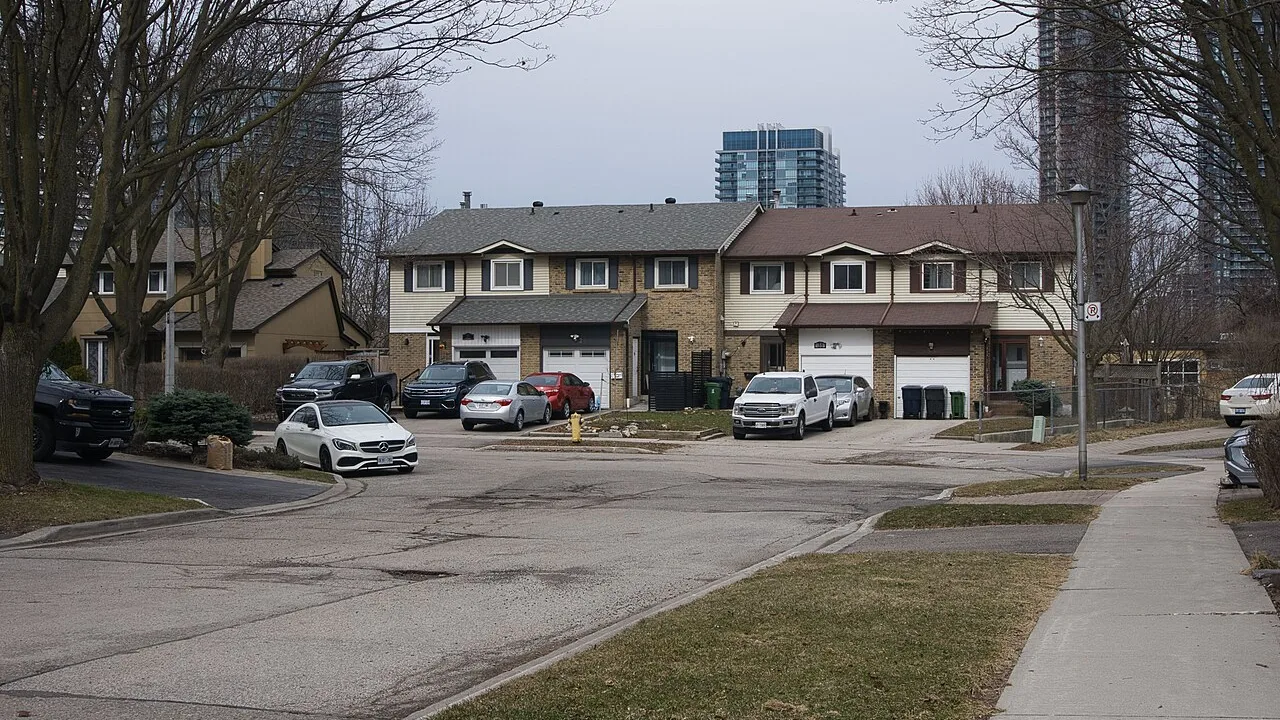
Before you tour a single home, you need to know one number: how much a lender will actually give you. That's what a mortgage pre-approval delivers. For first-time buyers in Ontario, it turns a vague budget into a confident shopping range — and signals to sellers that your offer is real. Here's exactly how to get pre-approved, what lenders look at, and how to avoid the mistakes that derail first-timers.
 Key takeaways
- A pre-approval confirms how much you can borrow and usually holds your rate for 90–120 days.
- Lenders assess your income, debts, credit and down payment against the stress test and debt-service ratios.
- You must still qualify at the greater of your contract rate + 2% or the 5.25% benchmark floor.
- Pre-approval is not the same as final approval — the home and your finances are re-checked before closing.
- HOMEH gives eligible buyers the industry's highest Cashback Rebate, on top of the financing you arrange.
What a pre-approval actually does
A mortgage pre-approval is a lender's written estimate of how much you can borrow, based on a real review of your finances. It typically locks in a rate for 90 to 120 days, protecting you if rates rise while you shop. Just as importantly, it tells you your true price ceiling so you don't fall in love with a home you can't finance.
Don't confuse it with a pre-qualification, which is a quick, unverified guess. The difference matters — we break it down in pre-approval vs pre-qualification. A pre-approval is also a core step in our first-time home buyer guide for Ontario.
What lenders look at
Lenders weigh four main things. Get each in order and your pre-approval will be both faster and larger.
- Income — steady, verifiable employment income is easiest; self-employed buyers need more documentation.
- Debts — car loans, credit cards, lines of credit and student loans all reduce how much you can borrow.
- Credit — your score and history show whether you repay on time; see how credit affects mortgage approval.
- Down payment — how much you've saved, and from where, affects both your loan size and your insurance costs.

How much you can borrow: the ratios
Lenders use two debt-service ratios to cap your loan. Your Gross Debt Service (GDS) ratio — housing costs as a share of gross income — should sit at or below 39%. Your Total Debt Service (TDS) ratio — all debt payments — should stay at or below 44%.
Want to see your own numbers? Run them through the debt-to-income calculator or read what your debt-to-income ratio means.
The step-by-step process
Getting pre-approved is straightforward once your paperwork is ready.
- Gather documents — recent pay stubs, T4s or notices of assessment, proof of down payment, and ID.
- Check your credit — review your report and fix any errors before a lender pulls it.
- Apply with a lender or broker — a broker can shop multiple lenders at once.
- Get your letter — it states your maximum amount, rate, and how long the offer holds.
- Shop within range — and avoid taking on new debt until you close.

Get pre-approved and get cashback
Financing and savings are two separate wins. Arrange your mortgage with confidence, then let HOMEH put money back in your pocket: eligible buyers receive the industry's highest Cashback Rebate. Start by getting pre-approved through HOMEH, then estimate your savings with the cashback calculator.
Frequently asked questions
How long does a mortgage pre-approval last?
Does getting pre-approved hurt my credit score?
Is a pre-approval a guarantee I'll get the mortgage?
What down payment do I need as a first-time buyer in Ontario?
Ready to put this into action?
Get pre-qualified in five minutes, or talk to a HOMEH advisor — no credit pull, no commitment.
Keep reading.

First-Time Home Buyers
The Biggest First-Home Buying Fears (and How to Beat Them)

First-Time Home Buyers
FHSA vs RRSP vs TFSA for Buying a Home

First-Time Home Buyers
