
How to Save for a Down Payment (Faster)

HOMEH Publishing Department
Author Apr 02, 2023 5 min read
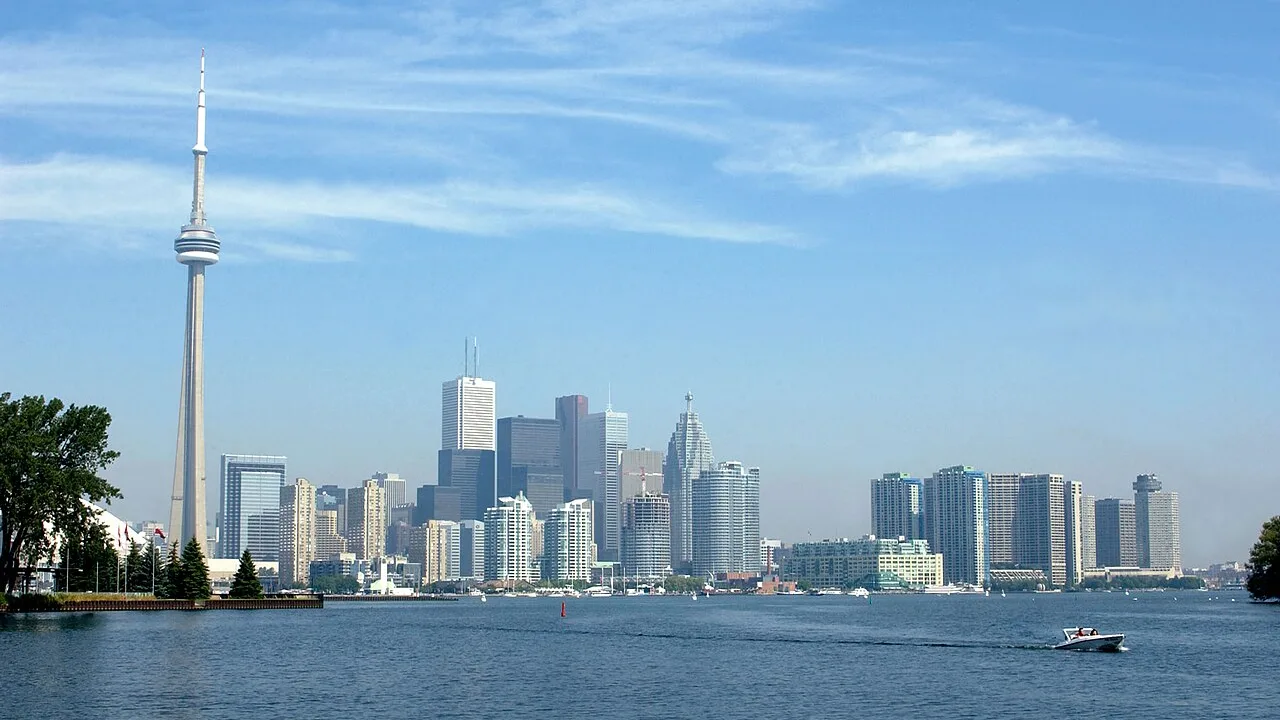
The down payment is the single biggest hurdle between most renters and home ownership. The good news: you may need less than you think, and Canada offers powerful tax-advantaged tools — the FHSA and RRSP Home Buyers' Plan — to help you get there faster. This guide breaks down your target and a realistic plan to hit it.
 Key takeaways
- Minimum down payment is 5% under $500,000, plus 10% on the portion from $500,000 to $1.5M.
- The FHSA lets you save up to $8,000/year ($40,000 lifetime) with tax-deductible contributions and tax-free withdrawals.
- The RRSP Home Buyers' Plan lets you withdraw up to $60,000 per person ($120,000 per couple) tax-free.
- Putting 20% down avoids CMHC insurance entirely — but a smaller down payment gets you in sooner.
- Automating your savings and using the right account are the two highest-impact moves.
How much do you actually need?
Canada's minimum down payment rules are tiered by price. You need less than the often-quoted 20% — though a bigger down payment lowers your costs.
| Purchase price | Minimum down payment |
|---|---|
| Under $500,000 | 5% |
| $500,000 – $1,499,999 | 5% on first $500k + 10% on the rest |
| $1,500,000 or more | 20% (cannot be insured) |
Get your exact target for any price with the HOMEH down payment calculator, and see how it affects affordability in how much down payment you need in Ontario.
Use the right accounts
Where you save matters as much as how much. Two government programs are built specifically for first-time buyers and can dramatically accelerate your savings:

- FHSA — up to $8,000/year, $40,000 lifetime; deductible going in, tax-free coming out.
- RRSP Home Buyers' Plan — withdraw up to $60,000 per person ($120,000 per couple) tax-free; repay over 15 years.
- TFSA — flexible and tax-free growth if you've used up the others.
Dig into the details in what is the FHSA and the RRSP Home Buyers' Plan explained.
5% vs 20%: get in sooner, or pay less?
A bigger down payment isn't always the better choice. Reaching 20% avoids CMHC mortgage insurance and shrinks your loan — but it can take years longer to save, during which prices and rent keep rising. A smaller down payment gets you into the market sooner, at the cost of an insurance premium.
There's no universal right answer — it depends on your timeline and your local market. Weigh the insurance cost in what is CMHC mortgage insurance.
A practical savings plan
The mechanics of saving are simple; the discipline is the hard part. Make it automatic and the rest follows:
- Set your target using the down payment calculator.
- Open an FHSA and set up automatic transfers every payday.
- Redirect windfalls — tax refunds, bonuses, gifts — straight into your FHSA.
- Cut one or two recurring expenses and divert that money to savings.
- Review your progress every few months and adjust the amount up when you can.

How HOMEH helps
HOMEH's free calculators turn a vague goal into a clear timeline. Map your down payment, then see what you can afford and when. New to buying? The first-time home buyer guide for Ontario ties the whole journey together.

Ready to set your timeline? Start with the down payment calculator.
Frequently asked questions
How much do I need for a down payment in Ontario?
What's the best account to save a down payment in?
How much can I put in an FHSA?
Should I wait until I have 20% down?
Can I use my RRSP for a down payment?
Ready to put this into action?
Get pre-qualified in five minutes, or talk to a HOMEH advisor — no credit pull, no commitment.
Keep reading.
First-Time Home Buyers
The Biggest First-Home Buying Fears (and How to Beat Them)
First-Time Home Buyers
FHSA vs RRSP vs TFSA for Buying a Home
First-Time Home Buyers
