
Living in Brampton: A Complete Guide

HOMEH Publishing Department
Author Feb 29, 2024 6 min read
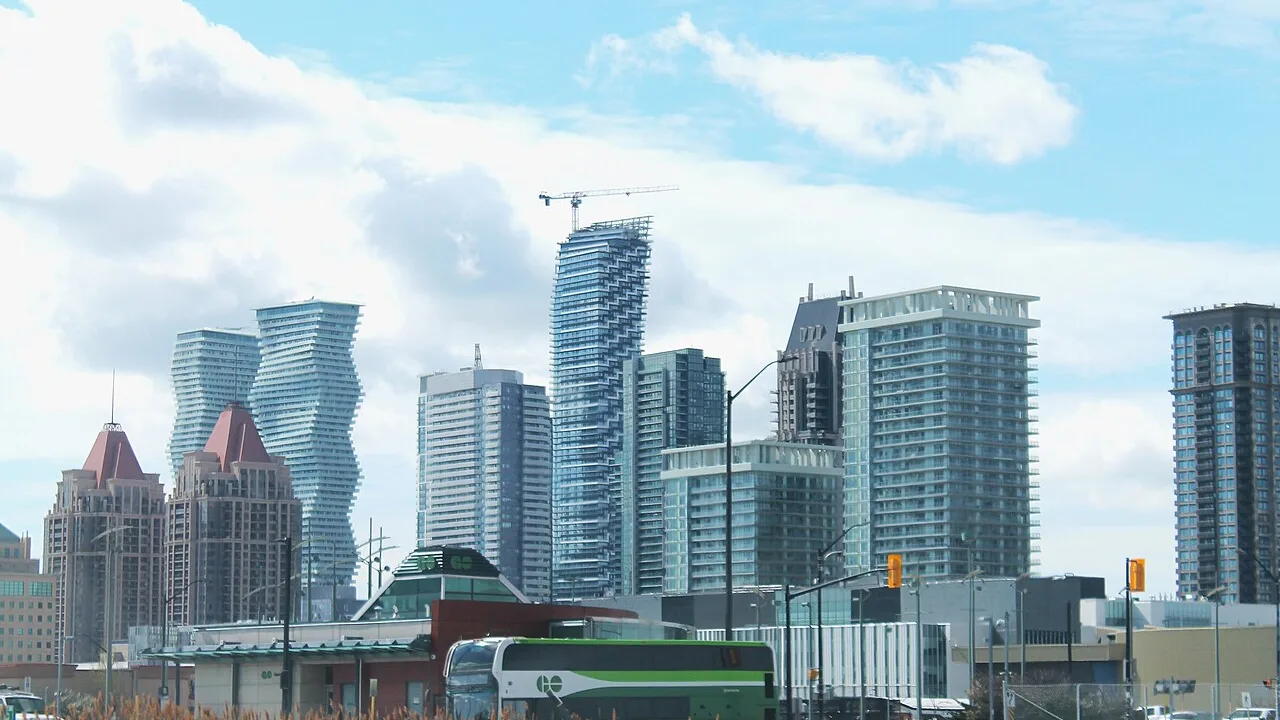
In the heart of Peel Region, Brampton has grown from a flower-town to one of Canada's largest and most diverse cities, with a young population, sprawling new subdivisions and surprisingly good value compared with neighbouring Mississauga and Toronto. If you're weighing a move, here's what it's really like to live in Brampton.
 Key takeaways
- Brampton is one of Canada's youngest and most multicultural cities, with a strong sense of community.
- Homes tend to be larger and more affordable than in Mississauga, Toronto or much of York Region.
- GO Transit, Highway 410 and Brampton Transit's Züm rapid bus network keep commuters connected.
- Families are drawn by big detached homes, abundant parks and growing post-secondary options.
- Browse current listings on the HOMEH Brampton real estate page.
Why people move to Brampton
Brampton's biggest draw is space for the money. Buyers priced out of Toronto and Mississauga often find they can get a larger home, a fuller yard and a quieter street here without leaving the western GTA. The city is also one of the most diverse in Canada, which shows up in its food, festivals and places of worship — a real selling point for newcomers who want to feel at home quickly.
It pairs naturally with our wider look at the region in the best places to live in the GTA, where Brampton stands out as the value play among the larger 905 cities.

Neighbourhoods to know
Brampton is big, and each pocket has its own feel. Here's a quick orientation for newcomers:
- Downtown Brampton — the historic core around the Rose Theatre and Gage Park, with a GO station and walkable older streets.
- Mount Pleasant — a planned community built around its own GO station, popular with commuting families.
- Springdale — established, family-dense, close to Trinity Common shopping.
- Credit Valley & Bram West — newer, larger homes on the Mississauga-facing side near the Credit River.
- Heart Lake & Sandalwood — north-end suburbs near conservation areas and Highway 410.
Getting around and the commute
Commuting is a real consideration in Brampton. The Kitchener GO line runs through the city with stations at Downtown, Mount Pleasant and Bramalea, giving direct rail service toward Union Station, while Highway 410 connects to the 401 and 407 for drivers. Within the city, Brampton Transit's Züm rapid-bus routes link the major corridors and tie into Mississauga's MiWay and the TTC at the boundary.

Schools and families
Brampton is served by the Peel District School Board and the Dufferin-Peel Catholic District School Board, with French-language boards also present, so families have a wide range of public, Catholic and French options. Post-secondary access is growing too, with Sheridan College's Davis Campus in the city and Toronto Metropolitan University developing a presence downtown.
Beyond classrooms, families value Brampton's parks, the Chinguacousy Park splash pad and ski hill, the recreation centres and the conservation areas along the Etobicoke and Credit watersheds. We don't rank individual schools here — check current catchment and program details with the boards, then browse homes within those boundaries.
Day-to-day, Brampton is well served by major shopping (Bramalea City Centre, Trinity Common and Shoppers World), expanding healthcare, and a deep calendar of cultural festivals that reflect the city's diversity. For newcomers especially, that mix of amenities and community makes settling in feel quick and welcoming.
What homes are like in Brampton
Brampton leans heavily toward detached and semi-detached houses and freehold townhomes, many of them built in the last two decades, with a smaller (but growing) condo market downtown and around transit. Compared with Mississauga or York Region you generally get more square footage per dollar, which is why so many move-up and multi-generational families choose it. For a neighbouring comparison, see our guides to living in Milton and the Durham options like living in Oshawa.
Prices move with the market and vary widely by area and home type, so the best way to gauge today's reality is to browse live listings and recent sales on the HOMEH Brampton real estate page, then pressure-test your budget with the how much house can I afford guide and the affordability calculator.

Frequently asked questions
Is Brampton a good place to live?
Is Brampton cheaper than Mississauga or Toronto?
How is the commute from Brampton to downtown Toronto?
What part of the GTA is Brampton in?
Ready to put this into action?
Get pre-qualified in five minutes, or talk to a HOMEH advisor — no credit pull, no commitment.
Keep reading.
Lifestyle
The Best Places to Live in the GTA
Lifestyle
The Best Schools in Markham
Lifestyle
