
Living in Guelph: Small-City Quality of Life

HOMEH Publishing Department
Author Apr 19, 2024 6 min read
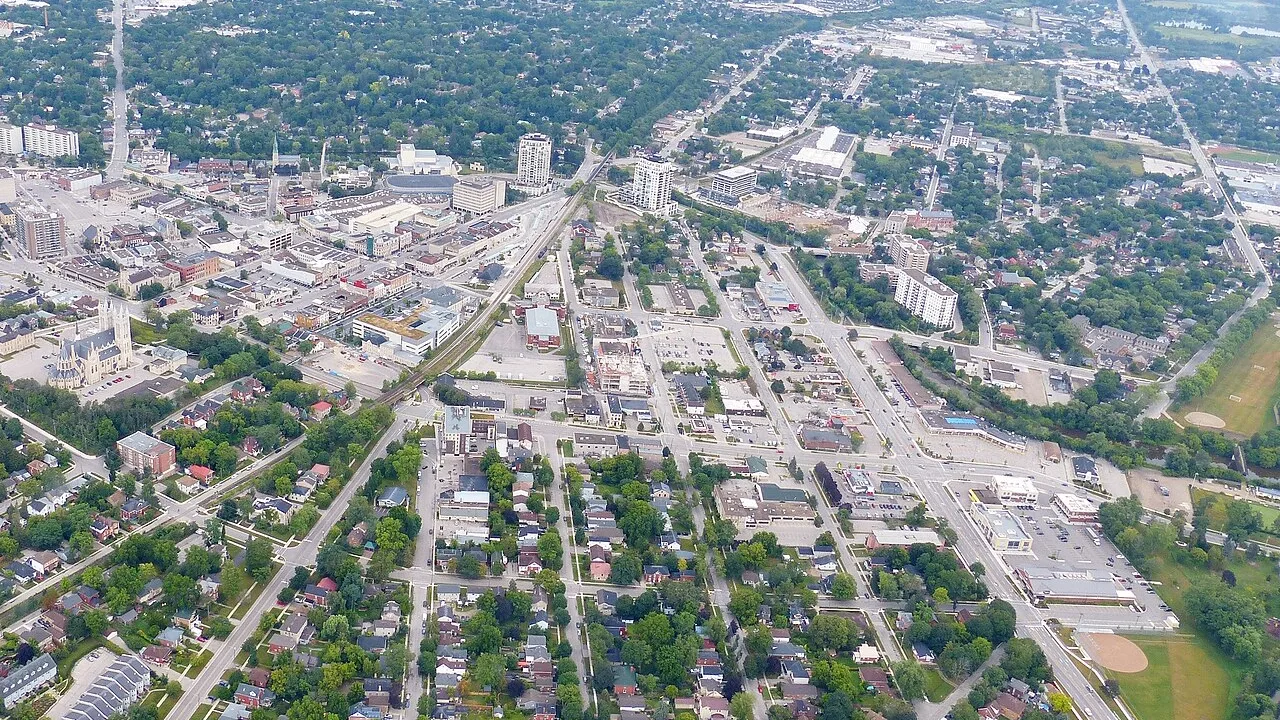
About an hour west of Toronto, Guelph pairs a walkable historic downtown, a respected university, and a strong economy with the calm of a mid-sized city. Consistently ranked among Canada's safest and most liveable cities, it's a popular landing spot for families and professionals leaving the GTA. Here's what it's really like to live in Guelph.
 Key takeaways
- Guelph blends a vibrant downtown, the University of Guelph, and a stable, diverse economy.
- It is regularly recognised as one of Ontario's safest and most liveable mid-sized cities.
- Limestone heritage architecture, the Speed and Eramosa rivers, and abundant trails define its character.
- Two GO Transit options and Highway 401 access make commuting toward the GTA and Waterloo Region workable.
- Browse current listings on the HOMEH Guelph real estate page.
Why people move to Guelph
Guelph offers a balance that's hard to find in the GTA: a genuinely walkable downtown, a green, river-laced setting, and an economy that doesn't depend on commuting to Toronto. The University of Guelph anchors the city's research and food-and-agriculture sectors, while manufacturing, healthcare and a growing tech scene round out a remarkably stable job market. Newcomers often arrive for relative affordability compared with nearby Waterloo and Toronto, and stay for the quality of life.

Neighbourhoods to know
Guelph's neighbourhoods range from heritage limestone streets to newer family subdivisions. A quick orientation for newcomers:
- Downtown & St. George's Park — historic limestone homes, the Basilica of Our Lady, cafes and the central GO station.
- The Junction & Exhibition Park — mature, tree-lined streets popular with families.
- South End — newer subdivisions, big-box shopping and quick Highway 401 access.
- East End (Grange, Watson) — established and newer family homes near schools and parks.
- University area — close to campus, the Arboretum and student rentals.
Schools and families
Guelph is served by the Upper Grand District School Board and the Wellington Catholic District School Board, alongside the University of Guelph and Conestoga College's local campus. Families are drawn by the city's safety, its many parks and recreation centres, and easy access to nature along the Speed and Eramosa rivers. If you're comparing communities across the wider region, see our roundup of the best places to live in the GTA.
Beyond the classroom, Guelph leans heavily on outdoor and community life. The Royal City has an extensive trail network that follows its two rivers, the University of Guelph Arboretum for quiet walks, and a year-round calendar of farmers' markets, festivals and live music in and around the limestone downtown. The city's compact size means most amenities — recreation centres, libraries, sports fields and the central market — are a short drive or cycle from any neighbourhood, which is a big part of why families with school-age children settle here.
Getting around
Guelph sits just off Highway 401, the main artery toward Toronto, Kitchener-Waterloo and beyond. GO Transit serves the city with both train and bus connections toward the GTA, and Guelph Transit covers the city locally. Many residents commute to Kitchener-Waterloo for tech jobs or toward Mississauga and Toronto, so it's worth testing your specific route at peak times before you buy. For a deeper relocation checklist, our guide to living in Kitchener covers the neighbouring tech corridor.
For day-to-day life, the central GO station and bus terminal sit right downtown, which keeps a car-light lifestyle realistic for residents who live in the core. Cyclists benefit from the river trails and a growing bike-lane network, while drivers heading west reach Kitchener-Waterloo in well under half an hour outside rush hour. The trade-off, as in most of the Greater Golden Horseshoe, is that the eastbound 401 toward Mississauga and Toronto can be slow at peak times — a key reason to map your commute on a typical weekday before committing.
What homes cost in Guelph
Guelph's housing mix spans heritage limestone homes downtown, established detached houses, newer subdivisions in the south and east ends, and a modest but growing condo and townhouse market. Prices generally sit below comparable GTA suburbs, which is a big part of the draw. The best way to gauge the current market is to browse live listings and recent sales on the HOMEH Guelph real estate page, and to test your budget with the affordability guide.

Frequently asked questions
Is Guelph a good place to live?
Is Guelph part of the GTA?
How is the commute from Guelph to Toronto?
Ready to put this into action?
Get pre-qualified in five minutes, or talk to a HOMEH advisor — no credit pull, no commitment.
Keep reading.
Lifestyle
The Best Places to Live in the GTA
Lifestyle
The Best Schools in Markham
Lifestyle
