
Living in Ottawa: Canada's Capital as a Place to Live

HOMEH Publishing Department
Author Apr 06, 2024 7 min read
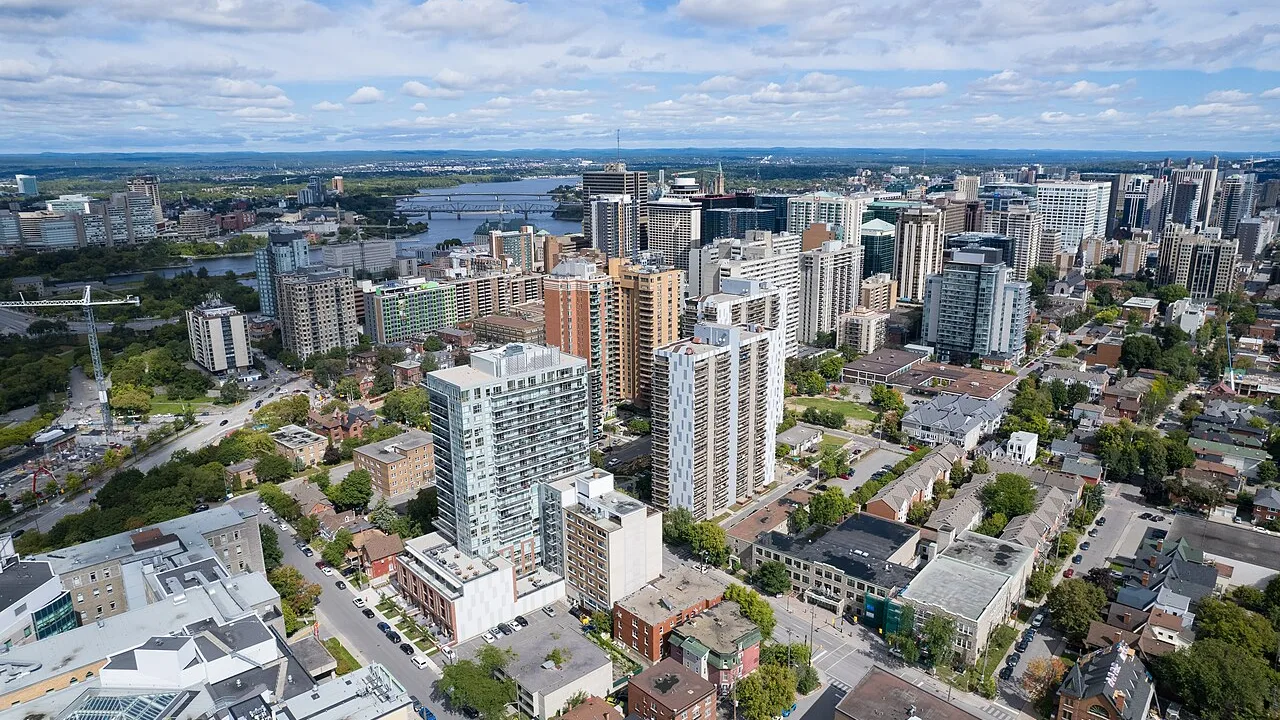
As Canada's capital, Ottawa offers a rare mix: a stable, government-anchored economy, a growing tech sector, world-class museums and festivals, and home prices that remain more attainable than Toronto or Vancouver. Bilingual, green and family-friendly, it's a city many people move to and never leave. Here's what it's really like to live in Ottawa.
 Key takeaways
- Ottawa combines a stable federal economy and a strong tech sector with a relatively attainable housing market.
- The O-Train light rail, OC Transpo and major highways anchor a growing transit and commuter network.
- Diverse neighbourhoods range from historic downtown cores to spacious suburban communities.
- Bilingual culture, extensive parks and the Rideau Canal give the city a high quality of life.
- Browse current listings on the HOMEH Ottawa real estate page.
Why people move to Ottawa
Ottawa appeals to people who want big-city amenities without big-city prices. As the seat of the federal government, it has an unusually stable job market, complemented by a long-established technology corridor often called "Silicon Valley North." Add a UNESCO-listed Rideau Canal, sprawling greenbelt, top museums and a genuinely bilingual culture, and you get a capital that punches above its weight on quality of life while keeping housing more attainable than Toronto.
The stability of Ottawa's economy is a recurring theme for people who relocate here. Federal employment, healthcare, education and a deep bench of technology firms cushion the city against the booms and busts that hit more single-industry towns. That steadiness, paired with shorter commutes and a strong public realm, makes Ottawa especially attractive to families and mid-career professionals who want a long-term home rather than a short-term posting. Many arrive expecting a quiet government town and are surprised by how much culture and outdoor life the city packs in.

Neighbourhoods to know
Ottawa is geographically large, so neighbourhoods vary enormously. Here's a quick orientation for newcomers:
- Centretown / The Glebe — central, walkable, character homes near the canal and Bank Street shops.
- Westboro / Hintonburg — trendy west-end districts with cafes, shops and a young vibe.
- Kanata — the tech hub in the west end, with family suburbs and major employers.
- Barrhaven — fast-growing south-end family community with new builds and amenities.
- Orléans — established east-end suburb with a strong francophone presence.
Schools and families
Ottawa families can choose among four major school systems: English public and Catholic boards, plus French public and Catholic boards, reflecting the city's bilingual character. The city is also home to major post-secondary institutions including the University of Ottawa, Carleton University and Algonquin College. With extensive parks, recreation centres, the greenbelt and the Rideau Canal — which becomes the world's largest skating rink in winter — Ottawa is widely regarded as one of Canada's most family-friendly big cities.
Getting around and commuting
Ottawa's O-Train light rail forms the spine of a transit network operated by OC Transpo, complemented by bus rapid transit and an extensive cycling and pathway system. Highways 417 and 416 connect the city east-west and south, and bridges link Ottawa to Gatineau across the river. Because Ottawa isn't part of the GTA commuter belt, most residents live and work within the region itself, which keeps typical commutes shorter than in much of the Greater Toronto Area — a contrast worth weighing if you're also considering our guide to the best places to live in the GTA.
Lifestyle in the capital
Ottawa offers the cultural depth of a capital: national museums and galleries, Parliament Hill, major festivals such as Winterlude and the Canadian Tulip Festival, and a busy ByWard Market food and nightlife scene. Outdoor life is just as central, from skating the Rideau Canal in winter to cycling the greenbelt and exploring nearby Gatineau Park in summer. The bilingual, four-season lifestyle is a major reason newcomers — from civil servants to tech workers — choose to settle here.
Embracing winter is part of the deal in Ottawa, and the city does it well: the canal skateway, ski hills within easy reach, and a calendar of cold-weather festivals turn the season into an asset rather than something to endure. In the warmer months, the riverside pathways, farmers' markets and proximity to Gatineau Park give residents an outdoors-first lifestyle. Combined with national-calibre arts and sport, it's a quality of life that many families find hard to match elsewhere in the country at Ottawa's price point.
What homes cost in Ottawa
Ottawa's housing spans historic downtown character homes, central condos and townhomes, and large suburban detached homes in Kanata, Barrhaven and Orléans. Prices are generally more attainable than Toronto, which is a key draw, but they vary widely by neighbourhood and home type. The best way to gauge today's market is to browse live listings and recent sales on the HOMEH Ottawa real estate page, and to plan your purchase with our first-time home buyer guide for Ontario.
One advantage for buyers relocating to Ottawa from pricier markets is that a given budget often stretches further here, whether that means a detached home with a yard in the suburbs or a central condo within walking distance of work. As anywhere in Ontario, it's wise to budget for closing costs and provincial land transfer tax on top of the purchase price and to confirm your financing early. Partnering with a brokerage that knows Ottawa's distinct neighbourhoods — and that returns cashback at closing — can make a real difference to what you ultimately pay.

Frequently asked questions
Is Ottawa a good place to live?
Is Ottawa cheaper than Toronto?
Is Ottawa a bilingual city?
What is the commute like in Ottawa?
Ready to put this into action?
Get pre-qualified in five minutes, or talk to a HOMEH advisor — no credit pull, no commitment.
Keep reading.
Lifestyle
The Best Places to Live in the GTA
Lifestyle
The Best Schools in Markham
Lifestyle
