
Living in Rosedale, Toronto

HOMEH Publishing Department
Author Jun 09, 2025 5 min read
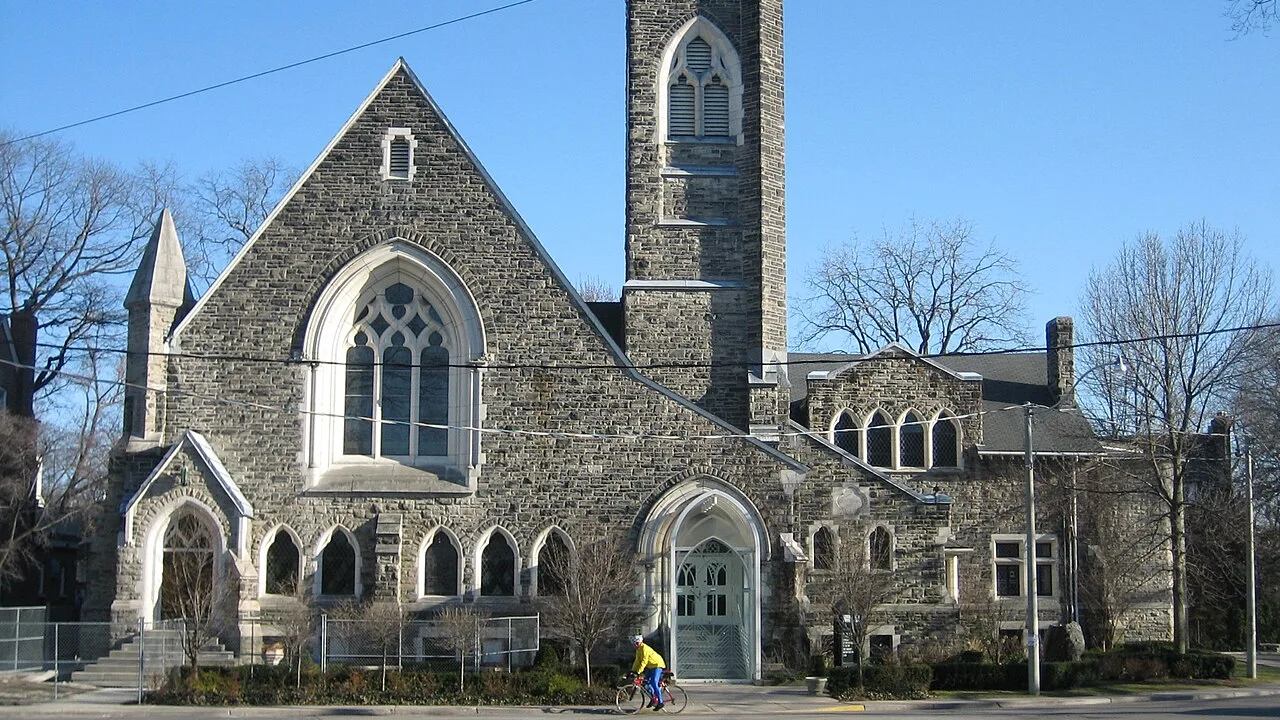
Tucked just northeast of downtown, Rosedale is widely considered Toronto's most prestigious neighbourhood — a leafy enclave of winding ravine streets, grand century homes, and old-money calm minutes from Yonge and Bloor. If you're considering a move, here's an honest look at what living in Rosedale is really like.
 Key takeaways
- Rosedale is Toronto's most established affluent neighbourhood, known for heritage mansions and ravine lots.
- Quiet, winding streets and abundant green space sit surprisingly close to downtown.
- Two TTC subway stations (Rosedale and Sherbourne) put the financial core within minutes.
- It suits established professionals and families who want privacy, character homes, and central access.
- Browse current listings on the HOMEH Rosedale real estate page.
The Rosedale vibe
Rosedale feels less like a downtown neighbourhood and more like a private garden suburb dropped into the heart of the city. Streets such as Roxborough, Crescent Road and Elm Avenue curve gently between mature trees and deep ravine lots, and the pace is noticeably quieter than the Yonge Street corridor just steps away. The neighbourhood splits roughly into South Rosedale (older, closest to Bloor) and North Rosedale (across the ravine, family-oriented around Rosedale Park).

The homes
Rosedale is defined by its housing stock. Expect a mix of architectural styles built over more than a century:
- Grand detached homes — Georgian, Tudor, Victorian and Edwardian houses on generous, often ravine-backing lots.
- Semi-detached and townhomes — handsome brick rows, especially in South Rosedale near Bloor.
- Boutique condos and co-ops — a smaller selection along the edges near Yonge and Bloor.
- Heritage character — many homes carry heritage designations, so renovations are guided by conservation rules.
Rosedale sits at the high end of the Toronto market, and prices vary widely by street, lot size and condition. The best way to gauge what your budget buys is to compare live listings and recent sales on the HOMEH Rosedale real estate page, then test your numbers with the affordability calculator.
Getting around
Rosedale is exceptionally central for a low-density neighbourhood. Two Line 1 (Yonge) subway stations — Rosedale and Sherbourne (on Line 2) at its southern edge — put Bloor-Yonge, the financial district and Union Station within a short ride. Yonge Street offers frequent buses and streetcar connections, and downtown is an easy cycle or even a walk via the ravine paths. Drivers reach the Don Valley Parkway in minutes for trips out of the core.
Lifestyle and who it suits
Daily life in Rosedale revolves around its ravines, parks and the upscale shops and restaurants at the Summerhill and Yonge-Rosedale strips just south. Rosedale Park and the Rosedale Ravine offer trails, tennis and a genuine sense of nature in the city, while nearby Yorkville adds fine dining and luxury retail. The neighbourhood draws established professionals, executives and families who value privacy, character homes and a calm setting without sacrificing downtown access.
If you want something with a similar central-yet-residential feel but a different character, compare it with our guides to Forest Hill and the more village-like Cabbagetown nearby. For the wider picture, see our Toronto neighbourhood guide and the roundup of the best places to live in the GTA.
What it costs to buy here
Because Rosedale is a Toronto neighbourhood, buyers pay both the provincial Ontario land transfer tax and the Toronto municipal land transfer tax — effectively doubling that closing cost compared with most 905 cities. Budget carefully and run the numbers before you offer; our guide to how to buy a house in Ontario walks through the full process and costs.

Frequently asked questions
Why is Rosedale so expensive?
Is Rosedale a good place to live?
Does Rosedale have subway access?
Is Rosedale family-friendly?
Ready to put this into action?
Get pre-qualified in five minutes, or talk to a HOMEH advisor — no credit pull, no commitment.
Keep reading.
Lifestyle
The Best Places to Live in the GTA
Lifestyle
The Best Schools in Markham
Lifestyle
