
What Is a Rent-Back (Possession) Agreement?

HOMEH Publishing Department
Author Apr 21, 2026 6 min read
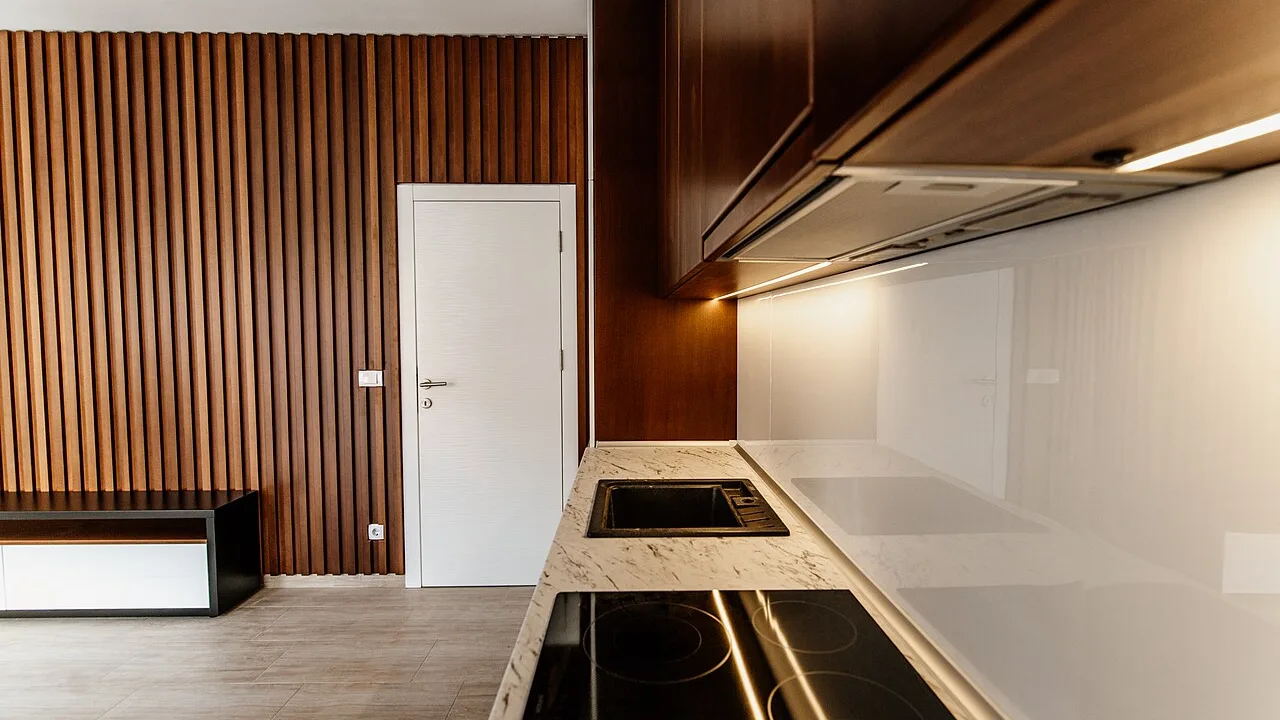
What happens when your sale closes before you can move into your next home? A rent-back agreement — sometimes called a possession or leaseback agreement — lets the seller stay in the property for a short, agreed period after closing while the buyer collects rent. It's one of the most practical ways to bridge a timing gap when you're buying and selling at the same time.
 Key takeaways
- A rent-back lets the seller occupy the home for a defined period after closing, paying the new owner rent.
- It buys breathing room when your sale and purchase closing dates don't line up.
- Terms — daily rate, deposit, insurance and end date — must be written into the agreement of purchase and sale.
- Short post-closing occupancy is usually treated as a licence, not a standard residential tenancy.
- HOMEH gives eligible buyers the industry's highest Cashback Rebate to ease a move. Sellers list for 1%, or free when they also buy with HOMEH within 6 months, or $395 + HST with a Mere Posting.
What is a rent-back agreement?
A rent-back agreement is an arrangement where the seller continues to live in the home for a set period after the sale closes and legal ownership transfers to the buyer. In exchange, the seller pays the new owner an agreed amount — usually a daily rate — until they move out on a fixed date.
It is most common when a seller has sold their home but their next purchase closes a little later, or when a buyer is happy to take ownership and earn a small return rather than leave the property empty. If you're juggling two transactions, read our guide on how to buy and sell a home at the same time first.
It helps to be clear about what changes and what doesn't on closing day. Ownership, the mortgage, and legal responsibility for the property all transfer to the buyer at closing — that part is final. The only thing the rent-back delays is physical possession: the seller keeps living there for the agreed window. That distinction is why a rent-back is usually a clean, low-conflict arrangement when it's documented properly. The buyer truly owns the home; the seller is simply a short-term occupant paying for the privilege of staying a little longer.
When a rent-back makes sense
A rent-back solves a timing mismatch without forcing anyone into a hotel or a double move. Typical situations include:
- The seller's new home closes a few days or weeks after the sale of their current one.
- The buyer doesn't need to move in immediately and is comfortable with a short delay.
- Both sides want to avoid the cost and stress of coordinating two same-day closings — see should you buy or sell first?.
- A buyer prefers a brief rent-back over arranging bridge financing on the seller's side.

What the agreement should cover
The terms are negotiated as part of the agreement of purchase and sale, and your real estate lawyer should review the wording. At a minimum, spell out the following.
| Term | Why it matters |
|---|---|
| Daily or weekly rate | How much the seller pays the new owner for staying on. |
| Hard move-out date | A firm deadline avoids disputes over how long is 'too long'. |
| Occupancy deposit | Often held by the lawyer to cover overstays or damage. |
| Insurance | Buyer needs homeowner coverage; seller needs contents/liability coverage. |
| Utilities & maintenance | Clarify who pays bills and handles minor repairs during the stay. |

Risks for both sides
A rent-back is convenient, but each party takes on some risk. For the buyer, the main worry is a seller who overstays the agreed date or leaves the home in poor condition — which is why a firm end date and an occupancy deposit matter. For the seller, the risk is paying rent on a home they no longer own while still needing it ready for their own move.
Coordinating the dates carefully reduces most of this risk. Our guide to deciding whether to buy or sell first walks through how to sequence the two transactions so a rent-back stays short and simple.
How HOMEH makes a same-time move easier
Buying and selling together is one of the most stressful moves there is — and the costs add up fast. A short rent-back is one tool for smoothing the timing; HOMEH's support is another.

Frequently asked questions
Is a rent-back agreement legal in Ontario?
How long can a rent-back last?
Who pays for utilities and insurance during a rent-back?
What if the seller won't leave on the agreed date?
Ready to put this into action?
Get pre-qualified in five minutes, or talk to a HOMEH advisor — no credit pull, no commitment.
Keep reading.
Buying & Selling
Bridge Loan vs HELOC for Buying and Selling
Buying & Selling
How to Buy and Sell a Home at the Same Time

Buying & Selling
