
The Toronto Vacant Home Tax, Explained

HOMEH Publishing Department
Author Jun 02, 2026 6 min read
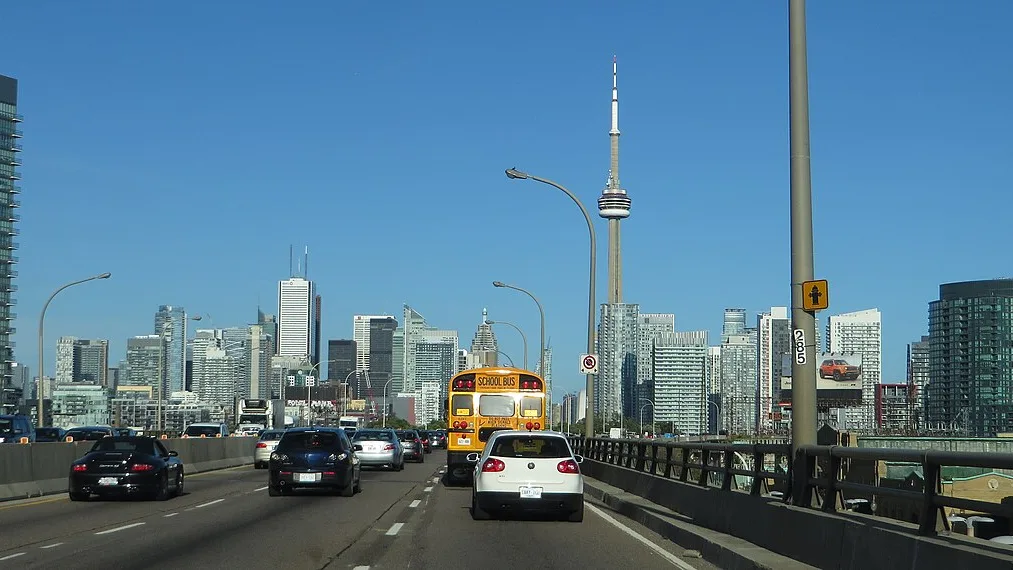
If you own a home in the City of Toronto, you have a yearly job whether your property is occupied or not: declare its occupancy status. Toronto's Vacant Home Tax charges owners whose homes sit empty for most of the year — and missing the declaration can get your home taxed as vacant by default. Here's how the tax works and how to stay onside.
 Key takeaways
- The Vacant Home Tax applies to Toronto homes left unoccupied for more than six months of the year.
- Every Toronto residential owner must file an annual occupancy declaration — even if the home is lived in.
- The tax is charged as a percentage of the property's Current Value Assessment (CVA).
- Miss the declaration and your home can be deemed vacant and taxed by default.
- HOMEH gives eligible buyers the industry's highest Cashback Rebate on Toronto homes. Sellers list for 1%, or free when they also buy with HOMEH within 6 months, or $395 + HST with a Mere Posting.
What is the Vacant Home Tax?
The Vacant Home Tax (VHT) is a City of Toronto tax designed to discourage owners from leaving homes empty during a housing shortage. The goal is to nudge vacant properties back into the rental or resale market. It applies only within the City of Toronto and is separate from your regular property tax — to understand that, see property tax in Ontario explained. It's one of several Toronto-specific charges covered in our closing costs in Ontario guide.
A home is generally considered vacant if it was unoccupied for more than six months during the previous calendar year and is not the owner's principal residence, with some exemptions.
Crucially, occupancy doesn't have to mean you live there yourself. A property that's tenanted, or occupied by a family member or a permitted occupant, generally counts as occupied. The tax targets homes that genuinely sit empty — the pied-à-terre that's used a few weeks a year, the investment unit held vacant for appreciation, or the inherited home no one has decided what to do with. If your property is lived in by anyone for most of the year, your job is simply to declare that and move on.
How much is the tax?
The Vacant Home Tax is charged as a percentage of the property's Current Value Assessment (CVA) — the assessed value, not the price you paid. The rate has been increasing since the tax launched and currently sits at roughly 3% of CVA. Because the rate has changed year to year, always confirm the current figure with the City of Toronto before relying on it.

The annual declaration — don't skip it
Every owner of a residential property in Toronto must submit an occupancy declaration each year, even if the home is fully occupied. This is the single most important step: the declaration is how the City knows your home isn't vacant.

Exemptions and special cases
A home that's empty isn't always taxed. The City recognizes several exemptions for legitimate vacancies, which typically include:
- The owner is in care (for example, a hospital or long-term care facility).
- The property changed ownership during the year (a recent sale).
- Court orders or legal restrictions prevent occupancy.
- Major renovations or repairs requiring permits make the home uninhabitable.
- The death of the registered owner.
How HOMEH helps Toronto buyers and sellers
Toronto already carries the highest closing costs in Ontario thanks to its double land transfer tax — the Vacant Home Tax is one more reason to keep more of your money.

Frequently asked questions
How much is the Toronto Vacant Home Tax?
Do I have to declare if my home isn't vacant?
Is the Vacant Home Tax the same as property tax?
Are there exemptions to the Vacant Home Tax?
Ready to put this into action?
Get pre-qualified in five minutes, or talk to a HOMEH advisor — no credit pull, no commitment.
Keep reading.
Closing Costs
7 Closing Cost Mistakes to Avoid
Closing Costs
Closing Costs for Condos vs Houses
Closing Costs
