
Firm vs Conditional Offers When You're Also Selling

HOMEH Publishing Department
Author May 04, 2026 6 min read
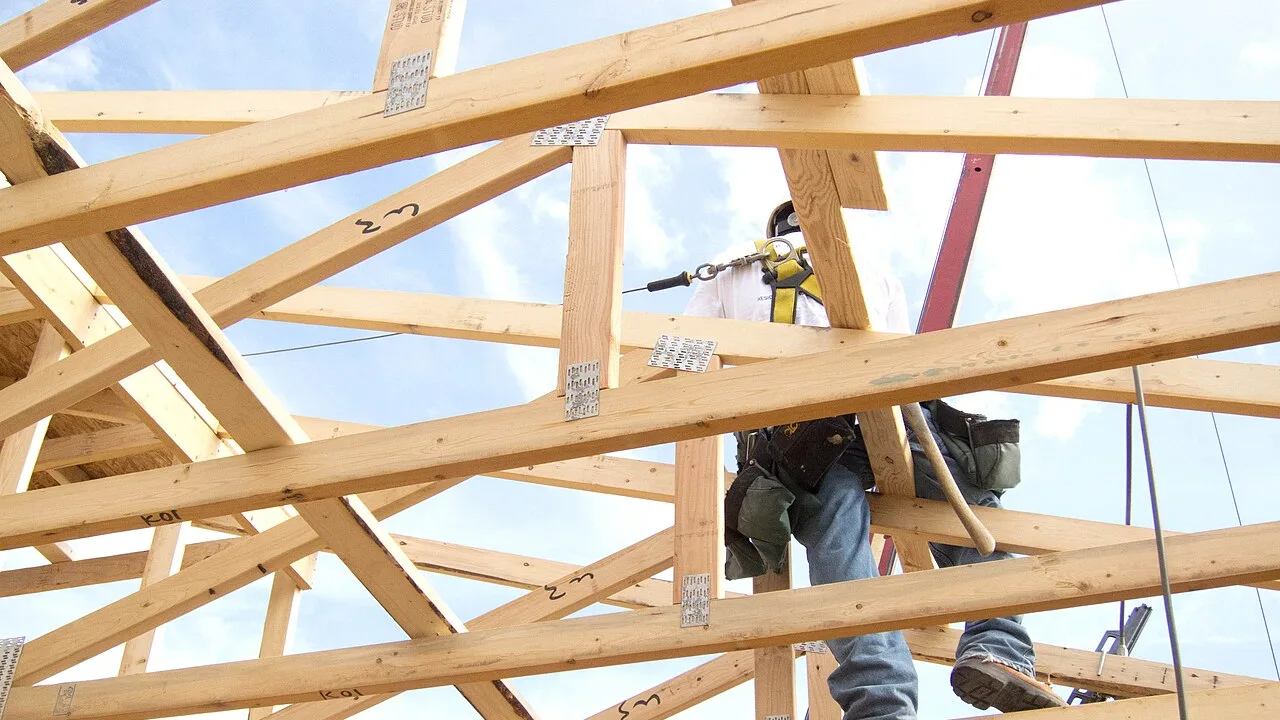
Should your offer be firm or conditional? It's a hard enough question on its own — but if you're also selling your current home, the stakes are higher. A firm offer is more attractive to a seller, yet it commits you to buy whether or not your existing home sells. This guide explains how the firm-vs-conditional decision really works when you're buying and selling at the same time.
 Key takeaways
- A firm offer has no escape conditions; a conditional offer can be cancelled if a condition isn't met.
- A sale-of-property condition lets you back out if your current home doesn't sell in time.
- Firm offers win competitive situations but expose you to carrying two homes.
- Conditional offers are safer when you're selling but are weaker in a bidding war.
- HOMEH gives eligible buyers the industry's highest Cashback Rebate to ease the transition. Sellers list for 1%, or free when they also buy with HOMEH within 6 months, or $395 + HST with a Mere Posting.
Firm vs conditional: the basics
A firm offer has no conditions — once it's accepted, the deal is binding and you must close. A conditional offer includes one or more conditions (financing, home inspection, or sale of your existing home) that must be satisfied within a set time, or you can walk away and recover your deposit. For the full mechanics, see conditional vs firm offer.
When you're also selling, the most relevant condition is the sale-of-property condition — a clause that makes your purchase dependent on selling your current home first.
The tension is straightforward. From the seller's seat, every condition you attach is a way the deal can fall apart, so the cleaner your offer, the more appealing it is — sometimes enough to beat a higher conditional bid. From your seat as a buyer who still owns a home, conditions are protection against committing to a purchase you can't actually fund or carry. The whole game when you're buying and selling at once is deciding how much of that protection you can safely give up to make your offer competitive.
The sale-of-property condition
A sale-of-property (sometimes called sale-of-existing-home) condition protects you from owning two homes at once. If your current home doesn't sell within the agreed window, you can cancel the purchase without penalty. It's the safest route when your purchase depends on the proceeds from your sale.
Time limits matter here. A sale-of-property condition usually runs for a defined window — often a few weeks — during which you must firm up the sale of your own home. If your home is already listed and showing well, that window is realistic; if you haven't listed yet, you're asking the seller to wait while you start from scratch, which most won't do without an escape clause.

When to go firm anyway
In a competitive market, a conditional offer can lose to a firm one even at a lower price — sellers value certainty. Buyers who are also selling sometimes go firm because their current home is highly likely to sell fast, or because they've arranged bridge financing to carry both homes for a short period.

Choosing the right approach
The right call depends on how confident you are that your current home will sell and how competitive the home you want is.
| Your situation | Better fit | Trade-off |
|---|---|---|
| Competitive listing, home likely to sell fast | Firm + bridge financing | Carrying costs if sale slips |
| Purchase depends on sale proceeds | Conditional (sale-of-property) | Weaker in a bidding war |
| Balanced market, some flexibility | Conditional with escape clause | Seller can bump you on a better offer |
Sequencing matters too — read should you buy or sell first? and the full buy-and-sell-at-the-same-time guide before you write the offer.
How HOMEH gives you more room to negotiate
Going firm is easier when you have a financial cushion behind you — it turns a risky commitment into a calculated one.

Frequently asked questions
What is a sale-of-property condition?
Is a firm or conditional offer better when I'm also selling?
What is an escape clause?
Can I make a firm offer without selling my home first?
Ready to put this into action?
Get pre-qualified in five minutes, or talk to a HOMEH advisor — no credit pull, no commitment.
Keep reading.
Buying & Selling
Bridge Loan vs HELOC for Buying and Selling

Buying & Selling
How to Buy and Sell a Home at the Same Time

Buying & Selling
