Buying a Cottage in Ontario: A Complete Guide

HOMEH Publishing Department
Author Sep 17, 2025 7 min read
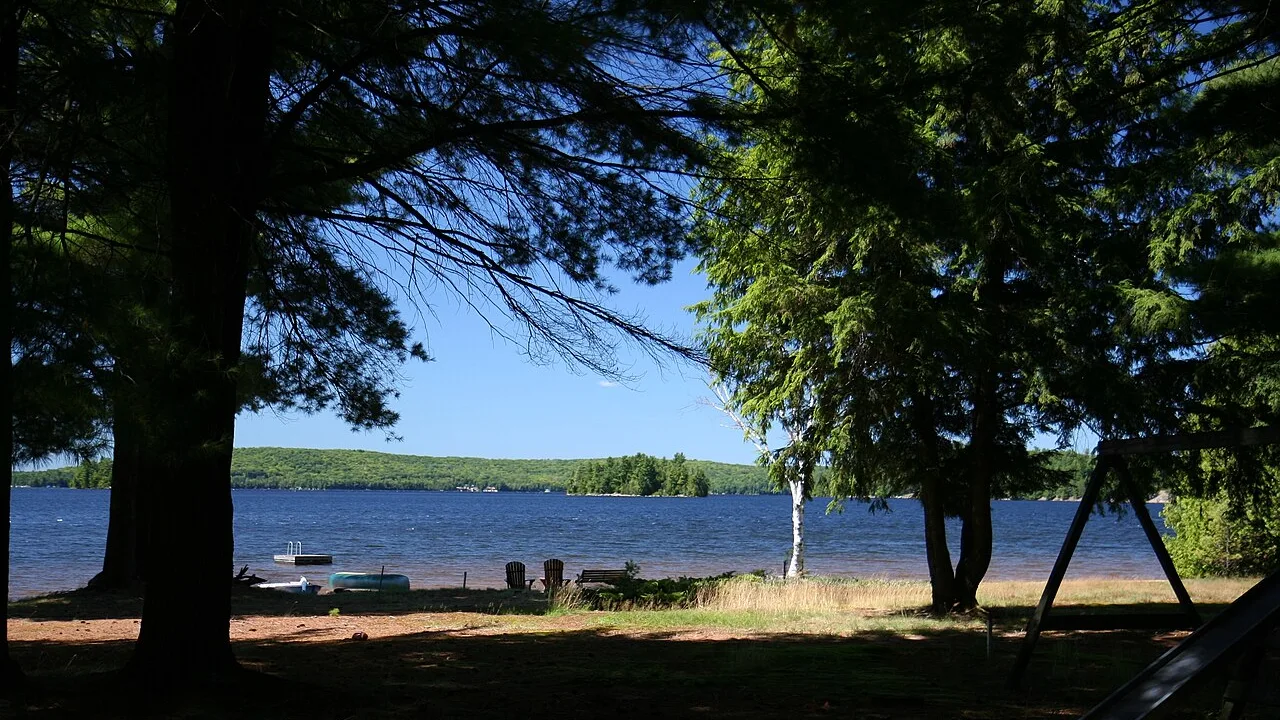
Few things say Ontario summer like a cottage on the water. But turning that dream into a deed involves details a city home never raises: a larger down payment, a septic system instead of city sewers, a well instead of a tap, and access roads that may not be plowed in winter. Buy with your eyes open and a cottage can be a lifelong source of joy — and value. Here's the complete guide to buying a cottage in Ontario.
 Key takeaways
- A cottage is usually a second home, so expect a larger down payment than a principal residence.
- Waterfront and rural properties need extra checks: well water, septic system, shoreline rights and winter access.
- A cottage isn't sheltered like your principal residence, so capital gains tax may apply when you sell.
- Land transfer tax and full closing costs apply, with no first-time buyer rebate on a recreational second property.
- Eligible HOMEH buyers receive the industry's highest Cashback Rebate on their purchase.
Financing a cottage
Most cottages are bought as a second home, which changes the financing. Lenders add the cottage mortgage to your existing debts and re-check your debt service ratios — aiming for GDS at or below 39% and TDS at or below 44% — so you need income headroom to carry it. A four-season cottage with year-round access is generally easier to finance than a rustic, water-access-only cabin, which lenders view as higher risk.
Down payment expectations are higher than for a first home, and any property priced at $1.5 million or more requires at least 20% down and cannot be insured. Run your scenario through the affordability calculator and read our broader guide on buying a second home in Ontario before you commit.
| Cottage type | Year-round access? | Financing |
|---|---|---|
| Four-season, road access | Yes | Easiest to finance |
| Three-season cottage | Often limited | More restrictions |
| Water-access only | No | Hardest; larger down payment likely |
The stress test applies here too: federally regulated lenders make you qualify at the greater of your contract rate plus 2% or 5.25%, counting both your existing mortgage and the new cottage loan together. So a cottage purchase isn't just about whether you can swing the cottage payment — it's about proving you can carry both homes at that higher qualifying rate. Talking to a mortgage broker early helps you understand what a particular cottage will require before you fall for it.
The rural and waterfront checklist
This is where cottage buying differs most from a city purchase. Many cottages are off municipal services and on private land features that demand inspection. Before you fall for the view, check:
- Water supply — most cottages draw from a well or the lake; have the water tested for quality and quantity.
- Septic system — confirm its age, capacity and condition with an inspection; replacing one is expensive.
- Shoreline and water rights — find out what you own, what's Crown land, and whether a shoreline road allowance exists.
- Access — is the road public and plowed in winter, private, or water-access only?
- Insurance and utilities — heating, hydro and insurance can differ a lot from a city home.

Each of these items can carry a hidden cost that dwarfs the inspection fee. A failed septic system can cost tens of thousands to replace. A well with poor flow may not supply enough water for a busy summer weekend. A shoreline road allowance — a strip of land along the water that may technically belong to the municipality rather than you — can affect what you're allowed to build at the water's edge. And a private or seasonal road may mean you, not the township, are responsible for grading and snow clearing. None of these are deal-breakers on their own; they're simply why cottage due diligence runs deeper than a typical home purchase.
Taxes and closing costs
Because a cottage is typically a second property, it isn't sheltered by the principal residence exemption — so when you sell, the gain in value may be subject to capital gains tax. If you ever rent the cottage out, that income is taxable too, though eligible expenses can be deducted.
On the buying side, land transfer tax and the usual closing costs apply, and there's no first-time buyer rebate on a recreational second home. Budget roughly 1.5%–4% of the price for closing costs — the full list is in our guide to closing costs in Ontario. A real estate lawyer is required to close, and on rural land they'll pay extra attention to surveys, easements and access rights.
Insurance is another line item that surprises first-time cottage buyers. Insurers often charge more for a property that's vacant for long stretches, that relies on a wood stove for heat, or that's a long drive from the nearest fire hall — all common cottage realities. Get an insurance quote before you firm up your offer, not after, so the annual premium doesn't blow a hole in your budget. The same goes for hydro and heating: a poorly insulated three-season cabin can be expensive to keep warm if you want to extend your season into the shoulder months.
Making the dream work
A cottage rewards buyers who plan for the realities — the septic pump-outs, the spring opening, the winterizing — as much as the sunsets. Decide early whether you want a turnkey four-season retreat or a rustic fixer you'll improve over time, and budget for ongoing upkeep, not just the purchase. For the fundamentals of any Ontario purchase, revisit our pillar guide on how to buy a house in Ontario.

Frequently asked questions
How much down payment do I need to buy a cottage in Ontario?
Do I pay capital gains tax when I sell a cottage?
What should I check before buying a waterfront cottage?
Can I get a mortgage on a water-access-only cottage?
Ready to put this into action?
Get pre-qualified in five minutes, or talk to a HOMEH advisor — no credit pull, no commitment.