Buying a Fixer-Upper: Is It Worth It?

HOMEH Publishing Department
Author Oct 12, 2025 5 min read
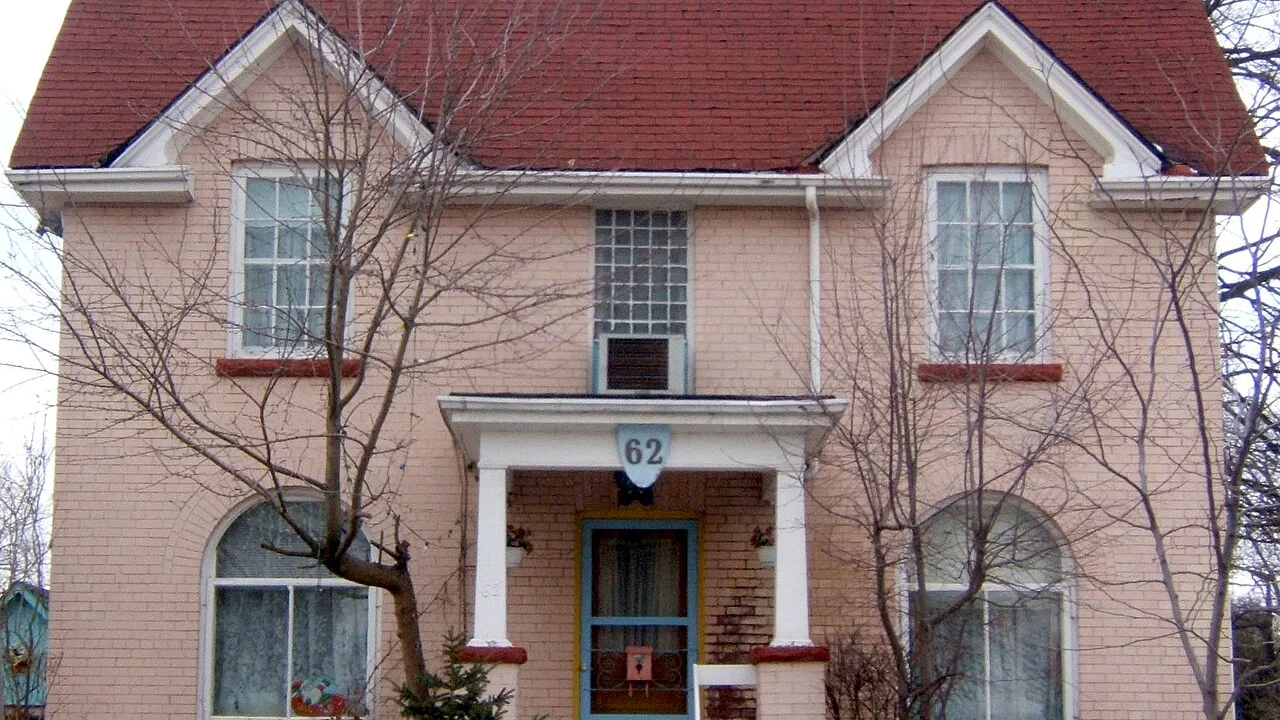
A lower purchase price, a home you can make your own, the chance to build equity with sweat and smart renovations — the appeal of a fixer-upper is obvious. So is the risk of a project that spirals over budget. Here's how to tell whether a renovation home is a smart buy or a money pit, and how to plan one in Ontario.
 Key takeaways
- Fixer-uppers usually sell below market, leaving room to build equity through renovation.
- The real cost is purchase price plus renovation budget plus a contingency — always add a buffer.
- Cosmetic fixes are predictable; structural, electrical and plumbing work carries the biggest risk.
- A thorough inspection is non-negotiable before you commit to a fixer-upper.
- HOMEH gives eligible buyers the industry's highest Cashback Rebate — funds you can put straight into renovations.
What counts as a fixer-upper?
A fixer-upper is a home that needs work to reach its full value — anywhere from cosmetic updates to major structural repairs. Listings may describe it as "handyman's special," "as-is," or "priced to sell." The promise is simple: pay less now, invest in improvements, and end up with a home worth more than you put in. The danger is just as simple: underestimate the work and you can pay more than the finished home is worth.
Learning to spot these listings starts with decoding the language — see our guide on how to read a real estate listing like a pro.
The real math of a fixer-upper
The headline price is only one part of the equation. Your true cost is the purchase price plus the renovation budget plus a contingency for the surprises that always appear once walls come down. Compare that total against what the finished home would be worth — and against simply buying a move-in-ready home.

Which renovations are worth it?
Not all work pays you back equally. Cosmetic updates are cheaper, more predictable, and often deliver strong returns; major systems and structural work are where budgets explode. Know which camp a project falls into before you buy.
| Type of work | Risk level | Notes |
|---|---|---|
| Paint, flooring, fixtures | Low | Cheap, fast, high visual impact |
| Kitchen & bath refresh | Medium | Strong resale appeal; control the scope |
| Roof, windows, furnace | Medium-High | Costly but predictable once quoted |
| Electrical & plumbing | High | Hidden issues; budget generously |
| Structural / foundation | Very High | Get expert assessment before buying |
Protect yourself before you buy
With a fixer-upper, due diligence is everything. A professional home inspection is non-negotiable — it tells you which repairs are cosmetic and which are structural. This is also a purchase where you should think twice before waiving the inspection, no matter how competitive the market.

Financing and a HOMEH head start
Renovation costs are on top of your down payment and closing costs, so plan your budget carefully — start with the affordability calculator. And here's a fixer-upper advantage: HOMEH is a licensed Ontario brokerage that gives eligible buyers the industry's highest Cashback Rebate, money you can pour straight into renovations. Estimate yours with the cashback calculator.
Frequently asked questions
Is buying a fixer-upper worth it?
How much should I budget for a fixer-upper renovation?
Should I get an inspection on a fixer-upper?
What renovations give the best return?
Ready to put this into action?
Get pre-qualified in five minutes, or talk to a HOMEH advisor — no credit pull, no commitment.