
How Much Should You Save Before Buying a Home?

HOMEH Publishing Department
Author Dec 13, 2025 4 min read
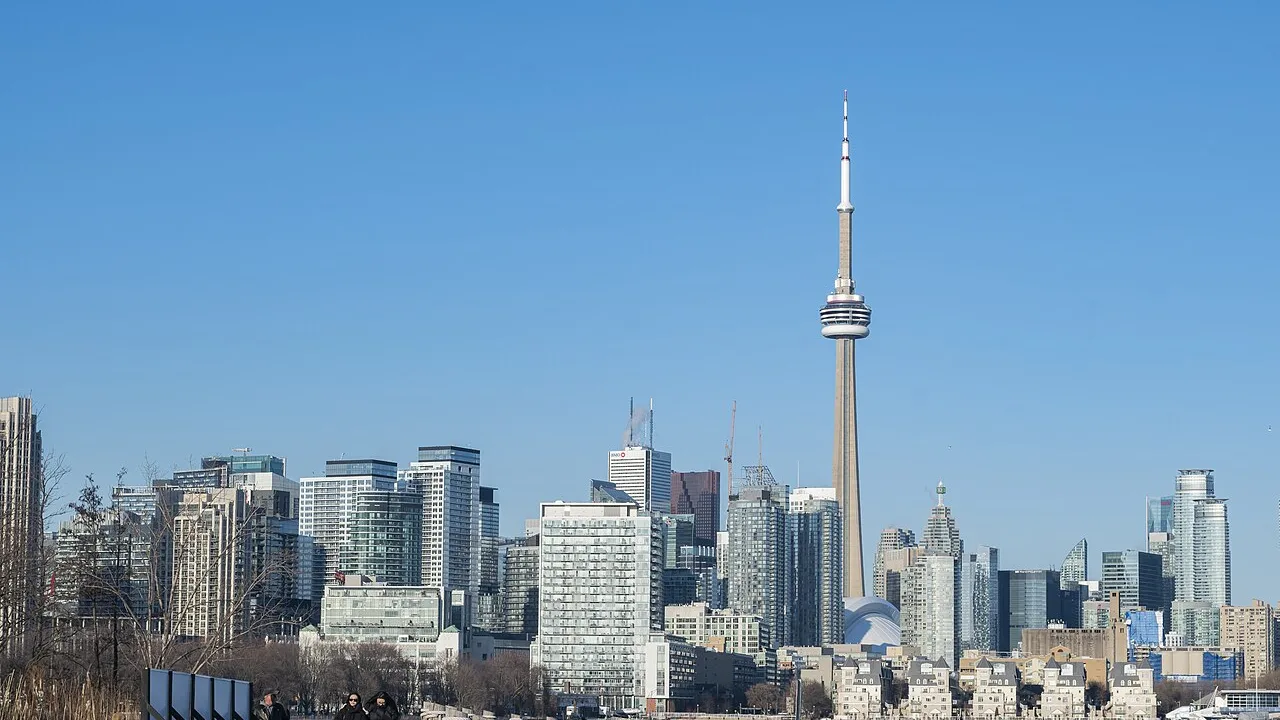
Saving for a home is about more than the down payment. To close confidently in Ontario, you also need closing costs and a small cash buffer for the first few months. This guide adds it all up so you know your real target number — not just the headline down payment.
 Key takeaways
- Plan for three things: down payment, closing costs, and a cash buffer.
- Minimum down payment is 5% under $500,000, scaling up on higher prices.
- Closing costs in Ontario typically run 1.5%–4% of the purchase price.
- An FHSA lets you save up to $8,000/year ($40,000 lifetime) tax-free for a home.
- HOMEH's Cashback Rebate, the industry's highest, can offset much of what you need to save.
The three things you're really saving for
Most first-time buyers focus only on the down payment, then get surprised at closing. In reality your savings target has three parts: the down payment, your closing costs, and a buffer for moving and the first couple of months in the home. Budget for all three and there are no nasty surprises.
Your down payment
In Canada, the minimum down payment is 5% on a purchase under $500,000; on $500,000 to $1,499,999 it's 5% on the first $500,000 plus 10% on the rest; at $1,500,000 or more it's 20%. The more you put down, the lower your CMHC insurance premium. See the full breakdown in how much down payment you need in Ontario.
Closing costs and a buffer
On top of the down payment, budget 1.5% to 4% of the price for closing costs — land transfer tax, your real estate lawyer ($1,100–$2,500), title insurance, inspection and appraisal. Get the full list in closing costs in Ontario explained. Then add a buffer of a few months' expenses for moving and settling in.

Where to keep your savings
An FHSA is purpose-built for this: contribute up to $8,000 per year, $40,000 lifetime, contributions are tax-deductible, and qualifying withdrawals are tax-free. You can also draw up to $60,000 from your RRSP under the Home Buyers' Plan. Compare all three accounts in FHSA vs RRSP vs TFSA for a home, and speed things up with how to save for a down payment faster.
Save less with HOMEH cashback
The lower your costs, the less you need to save. Eligible HOMEH buyers receive the industry's highest Cashback Rebate, which can cover closing costs and more. See your timeline with the down payment calculator.

Frequently asked questions
How much money do I need saved to buy a house in Ontario?
What is the minimum down payment in Canada?
Should I use an FHSA to save for a home?
Do I need savings beyond the down payment and closing costs?
Ready to put this into action?
Get pre-qualified in five minutes, or talk to a HOMEH advisor — no credit pull, no commitment.
Keep reading.
First-Time Home Buyers
The Biggest First-Home Buying Fears (and How to Beat Them)
First-Time Home Buyers
FHSA vs RRSP vs TFSA for Buying a Home
First-Time Home Buyers
