
Moving to Toronto: The Newcomer's Guide

HOMEH Publishing Department
Author May 26, 2024 5 min read
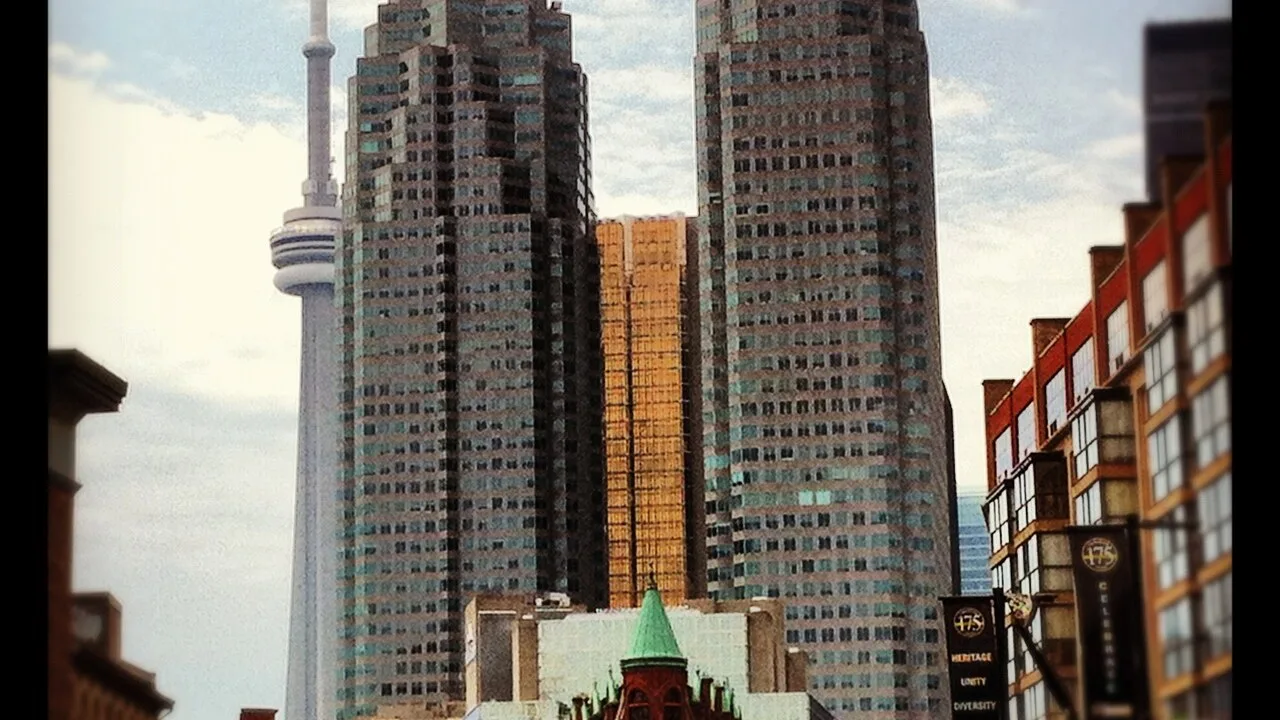
Moving to Toronto is exciting and a little overwhelming. Canada's largest city is a patchwork of distinct neighbourhoods, with world-class transit downtown and quieter, family-friendly pockets across North York, Scarborough and Etobicoke. Whether you're relocating from another province or another country, here's a practical guide to landing well — from picking an area to budgeting for the move.
 Key takeaways
- Toronto is a city of neighbourhoods — choose by lifestyle, commute and budget rather than by name recognition.
- Transit is strongest downtown; the TTC subway, streetcars and GO Transit shape how people get around.
- Housing is the biggest cost; rent first if you're unsure where you want to live long term.
- Toronto has among the lowest property tax rates in the GTA (around 0.7%), but high home prices.
- Start your home search on the HOMEH Toronto real estate page.
Choosing where to live
Toronto is best understood as a collection of neighbourhoods, each with its own feel, price point and commute. Downtown and the central neighbourhoods (the Annex, Leslieville, Riverdale, Liberty Village) offer walkability and nightlife; the inner suburbs of North York, Scarborough and Etobicoke offer more space, parks and family amenities for a bigger lot.
- Downtown / central — condos, walkability, transit and restaurants; smaller spaces at a premium.
- North York — a mix of condos along the Yonge corridor and established detached neighbourhoods.
- Scarborough — generally more affordable, with larger homes, green space and diverse communities.
- Etobicoke — lakeside living in the south, leafy family streets further north.
- The 905 commuter belt — if you need more space, weigh nearby cities; see our best places to live in the GTA.

Getting around
Toronto's transit network is run by the TTC — subway lines, streetcars and buses — and is strongest in the core, where many residents live car-free. GO Transit connects the city to the wider region by train and bus, and the major highways (the 401, the Gardiner Expressway and the DVP) carry commuters from the suburbs. When you choose a neighbourhood, test your real commute at rush hour before you sign anything.
What it costs to live here
Housing is the single biggest line in most Toronto budgets, whether you rent or buy. Beyond rent or a mortgage, plan for utilities, transit or car costs, groceries and the usual big-city extras. For a fuller breakdown, see our cost of living in Toronto guide and the regional cost of living in the GTA.
One bright spot for homeowners: Toronto's property tax rate is among the lowest in the GTA (around 0.7%), though that is offset by higher home prices. Buyers should also note that Toronto charges a municipal land transfer tax in addition to the provincial one — budget for both at closing. Our closing costs in Ontario guide walks through the numbers.
Planning the move itself
Once you've picked an area and a home, a little planning makes the move far less stressful:
- Book movers or a truck early — peak season (late spring through summer) fills up fast.
- Sort out parking and elevator bookings if you're moving into a condo or apartment building.
- Set up utilities, internet and a change of address before moving day.
- Update your driver's licence and health card details after you arrive (newcomers to Ontario should apply for OHIP early).
- If you're buying, line up your mortgage, lawyer and closing-cost budget well before the closing date.

Frequently asked questions
Is Toronto a good place to move to?
Should I rent or buy when moving to Toronto?
What is the cheapest area to live in Toronto?
Do I need a car in Toronto?
Ready to put this into action?
Get pre-qualified in five minutes, or talk to a HOMEH advisor — no credit pull, no commitment.
Keep reading.
Lifestyle
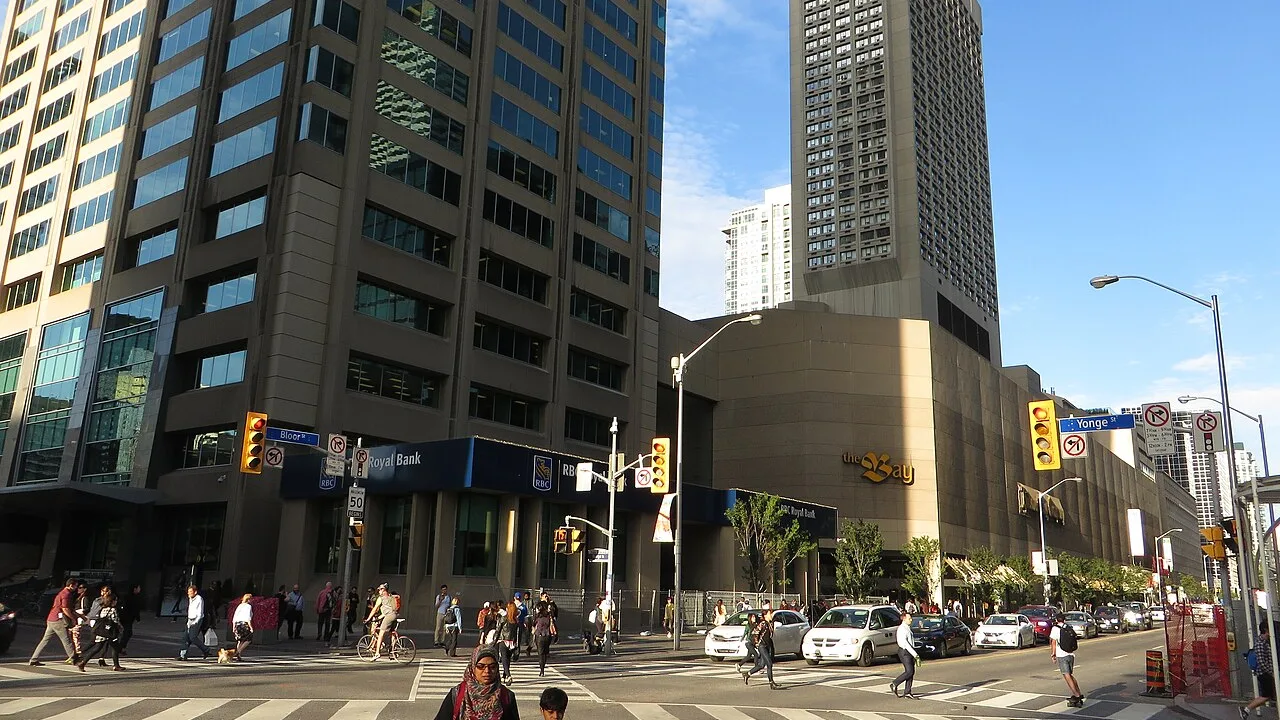
The Best Places to Live in the GTA
Lifestyle
The Best Schools in Markham
Lifestyle
