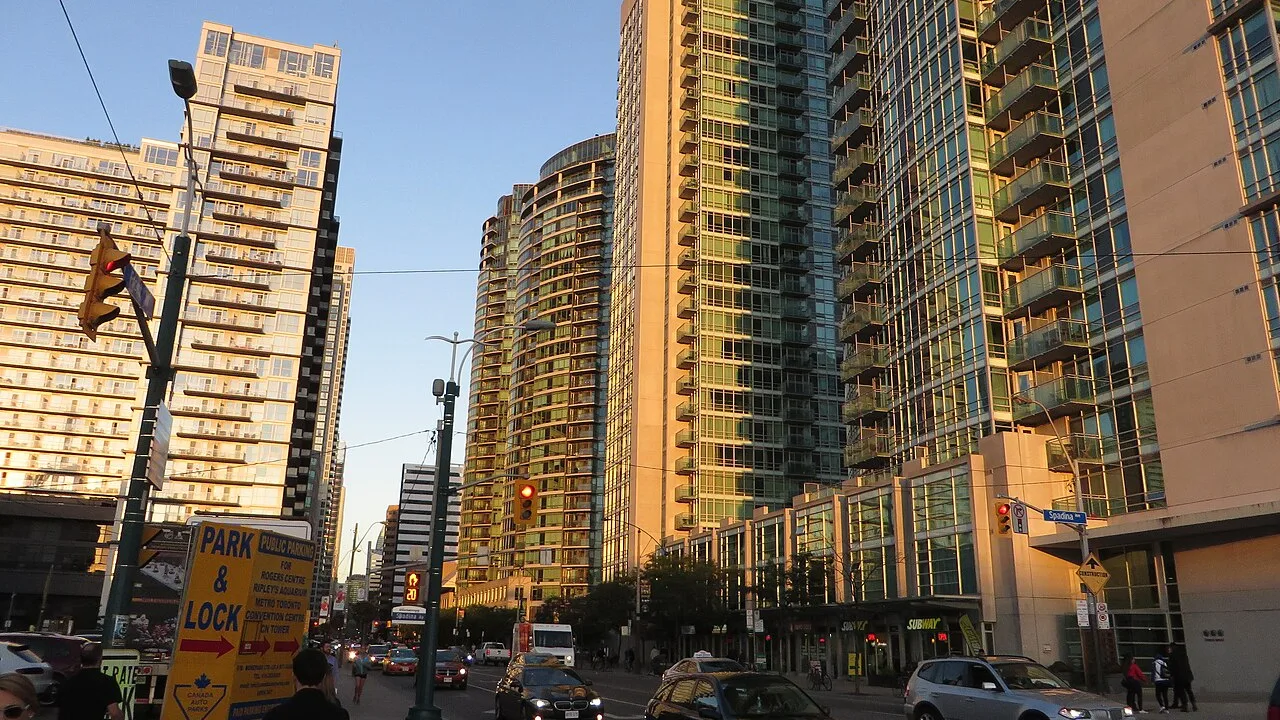
The Cost of Living in Toronto

HOMEH Publishing Department
Editorial team · HOMEH Inc., Brokerage · RECO #6000380 Jan 18, 2024 6 min read
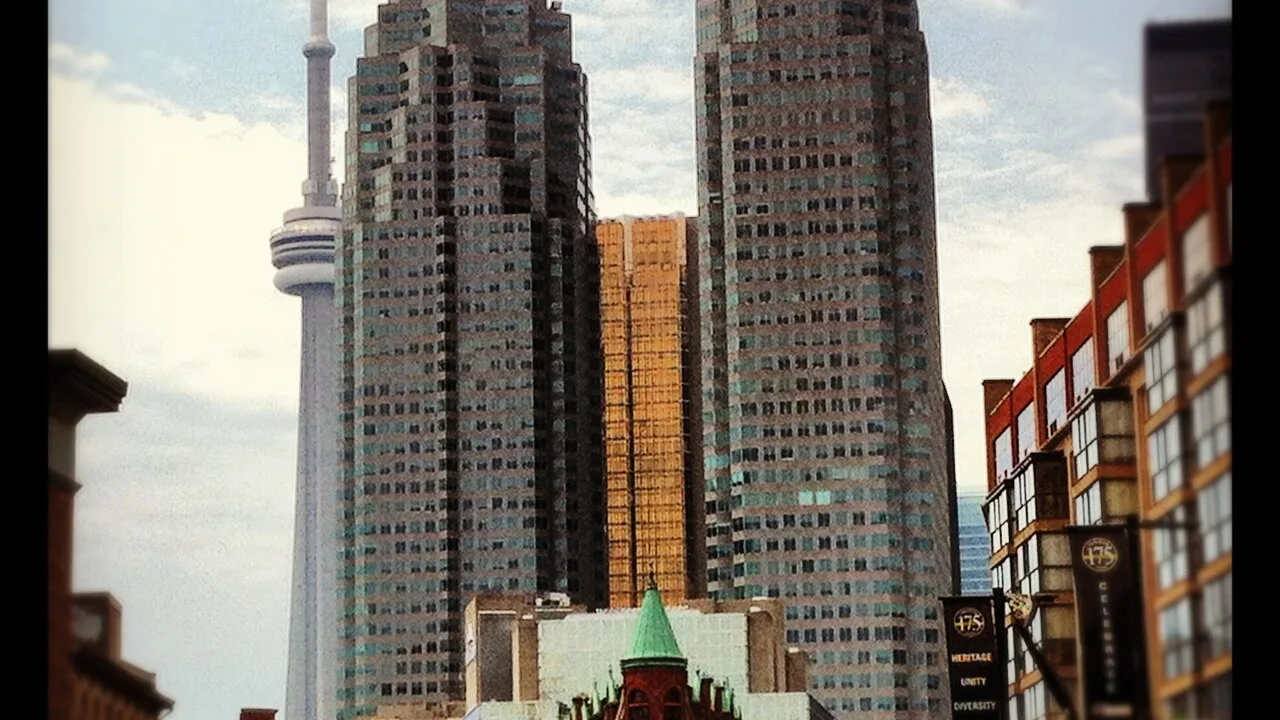
Toronto consistently ranks as one of Canada's most expensive cities — but it's also one of its most rewarding, with world-class jobs, transit, culture and food. If you're deciding whether to rent, buy or move here at all, it helps to understand where the money actually goes. Here's a clear-eyed look at the cost of living in Toronto.
 Key takeaways
- Housing is by far the biggest line item in any Toronto budget, whether you rent or buy.
- Toronto buyers pay land transfer tax twice — provincial and municipal — but the city's property tax rate is among the GTA's lowest at around 0.7%.
- The TTC offers a genuine car-free option, which can cut transportation costs versus driving and parking.
- Everyday costs like groceries, dining and utilities run higher here than in smaller Ontario cities.
- See what your budget buys on the HOMEH Toronto real estate page.
Housing: the biggest cost by far
Whatever else changes, housing dominates a Toronto budget. Whether you rent a downtown condo or buy a detached home in the suburbs, shelter typically takes the largest share of monthly income — and it's the single factor that most determines whether Toronto feels affordable to you. Because prices and rents shift with the market, the most honest read is live data rather than a stale average. Browse current listings and recent sales on the HOMEH Toronto real estate page to see what your budget actually buys today.
If you're weighing renting against buying, run the numbers with the rent-vs-buy calculator and read our guide on renting vs buying a home in Canada — the right answer depends on how long you'll stay and what's happening with rates.
The taxes that come with buying
Toronto has a couple of cost quirks every buyer should know. First, the city charges its own Municipal Land Transfer Tax on top of Ontario's provincial land transfer tax — so Toronto buyers effectively pay this one-time tax twice. On a $500,000 home that's roughly $6,475 provincial plus about $6,475 municipal before any rebates. First-time buyers can claim rebates of up to $4,000 (provincial) and up to $4,475 (Toronto) to soften the blow.
The flip side is ongoing property tax. Toronto's property tax rate is actually among the lowest in the GTA — around 0.7% — compared with many 905 cities at roughly 0.9% to 1.3%. (Higher home values mean the dollar amount can still be substantial.) For the full breakdown, see our guides to the Toronto municipal land transfer tax and closing costs in Ontario.

Getting around: the TTC advantage
One of Toronto's biggest cost offsets is transit. The Toronto Transit Commission (TTC) runs subway, streetcar and bus lines across the city, and GO Transit links Toronto to the wider region. For many downtown and midtown residents, a transit pass replaces the cost of a car, insurance, fuel and parking entirely — a meaningful saving that doesn't exist in car-dependent suburbs. If you can live car-light, transportation becomes one of the easier expenses to control here.

Everyday expenses
Beyond housing and transit, the day-to-day costs in Toronto generally run higher than in smaller Ontario cities. Groceries, dining out, utilities, child care and entertainment all tend to cost more in a big, in-demand city. None of these will rival housing as a budget line, but together they add up — so it's worth building a realistic monthly budget rather than assuming your current spending will carry over unchanged from a smaller centre.
Thinking the suburbs might stretch your dollar further? Compare the trade-offs in our best places to live in the GTA roundup and our guide to living in Hamilton, one of the region's better-value markets.
How buyers can offset the cost
Toronto's fixed costs — taxes, fees, transit — are largely out of your hands, but the commission side of a home purchase isn't. The biggest lever a buyer can pull is HOMEH cashback. Estimate your affordability first with the affordability calculator, then see how much you could get back below.

Frequently asked questions
Is Toronto expensive to live in?
How much is property tax in Toronto?
Why do Toronto buyers pay land transfer tax twice?
Can I live in Toronto without a car?
What's the biggest cost of living in Toronto?
Ready to put this into action?
Get pre-qualified in five minutes, or talk to a HOMEH advisor — no credit pull, no commitment.