
Repairs and Maintenance: What Tenants Can Expect

HOMEH Publishing Department
Author Mar 23, 2026 5 min read
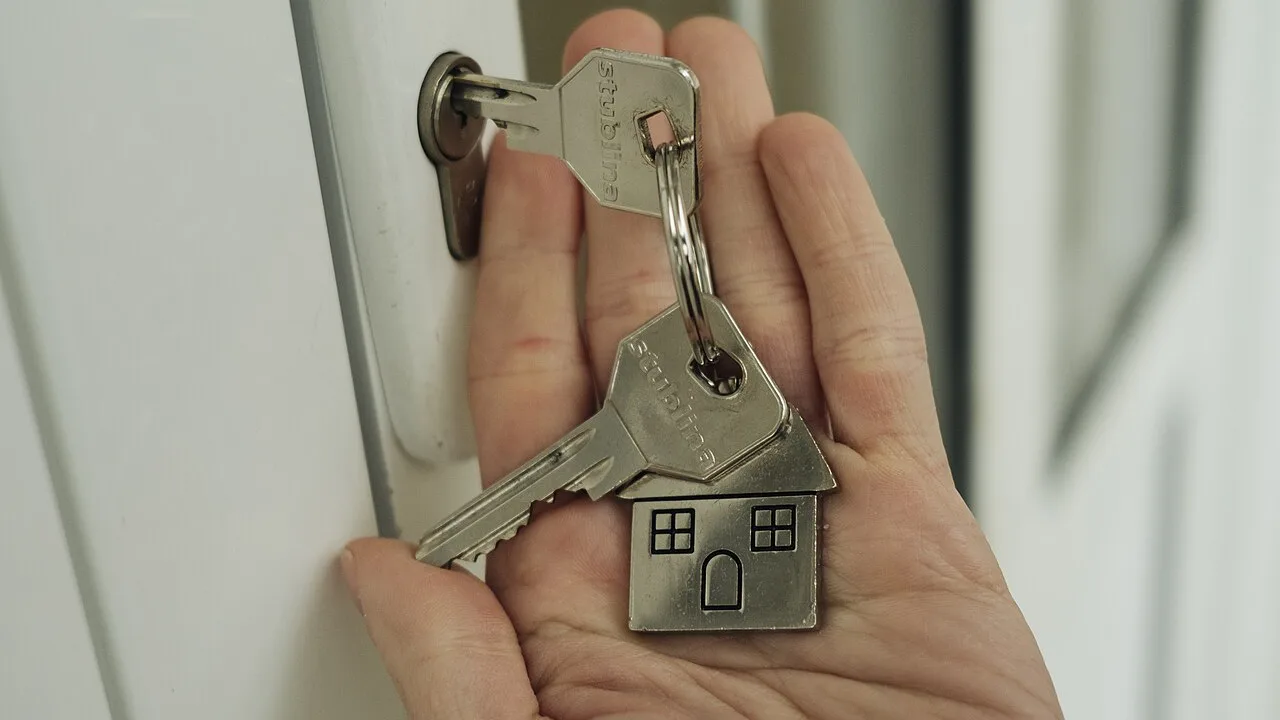
When the heat dies in January or the faucet won't stop dripping, the first question is always the same: whose job is this? In Ontario, the Residential Tenancies Act draws a clear line between what landlords must repair and what tenants are responsible for. Knowing where that line sits saves you money, stress and arguments.
 Key takeaways
- Landlords must keep the rental in a good state of repair and fit to live in — even if you knew about an issue before signing.
- Tenants are responsible for ordinary cleanliness and for repairing damage they or their guests cause.
- Normal wear and tear is never the tenant's responsibility.
- Report repair issues in writing and keep records of every request.
- If a landlord won't fix a serious problem, you can apply to the Landlord and Tenant Board.
The landlord's responsibility
Under the Residential Tenancies Act, the landlord must keep the rental unit and the building in a good state of repair, fit for habitation, and compliant with health, safety and maintenance standards. This duty applies even if you accepted the unit knowing about a problem — you can't sign away your right to a properly maintained home.
That covers the big systems and structures: heating, plumbing, electrical, appliances supplied with the unit, the roof, windows, doors, locks, and pest control. If any of these fail through no fault of yours, fixing them is the landlord's job. This is a core part of your tenant rights in Ontario.
The tenant's responsibility
Your side of the bargain is narrower. You're responsible for ordinary cleanliness and for repairing or paying for damage caused by you, your household or your guests — whether through carelessness or on purpose. A clogged drain from grease you poured down it is yours; a pipe that fails from age is the landlord's.
| Issue | Landlord | Tenant |
|---|---|---|
| Broken furnace / no heat | Yes | No |
| Leaky roof or plumbing | Yes | No |
| Pest infestation (not tenant-caused) | Yes | No |
| Hole punched in a wall | No | Yes |
| Cleaning the unit | No | Yes |
| Damage from a tenant's guest | No | Yes |

How to request a repair
Always ask for repairs in writing — email or text — even if you also call. A paper trail is your best protection if things escalate. Describe the problem clearly, ask for a reasonable timeline, and keep a copy of every message and the landlord's reply.
- Report the issue promptly; don't let small problems become big ones.
- Be specific: what's broken, where, and since when.
- Keep records — dates, photos and copies of all communication.
- Allow reasonable access for the landlord or a contractor to make the repair.
- For emergencies (no heat, flooding, no water), flag it as urgent.
When the landlord won't act
If a landlord ignores a legitimate repair request, you have options — but don't simply withhold rent, which can put your tenancy at risk. Instead, you can apply to the Landlord and Tenant Board for an order requiring the repair, a rent abatement, or other remedies. The LTB exists precisely for these disputes; see what the Landlord and Tenant Board is.

Frequently asked questions
Is my landlord required to make repairs in Ontario?
What repairs am I responsible for as a tenant?
Can I withhold rent if my landlord won't make repairs?
What counts as normal wear and tear?
Ready to put this into action?
Get pre-qualified in five minutes, or talk to a HOMEH advisor — no credit pull, no commitment.
Keep reading.
Renting a Home
Average Rent in Toronto: What to Expect

Renting a Home
Renting a Condo vs an Apartment Building
Renting a Home
