The Best Cities to Invest in Real Estate in Ontario

HOMEH Publishing Department
Editorial team · HOMEH Inc., Brokerage · RECO #6000380 Mar 09, 2025 5 min read
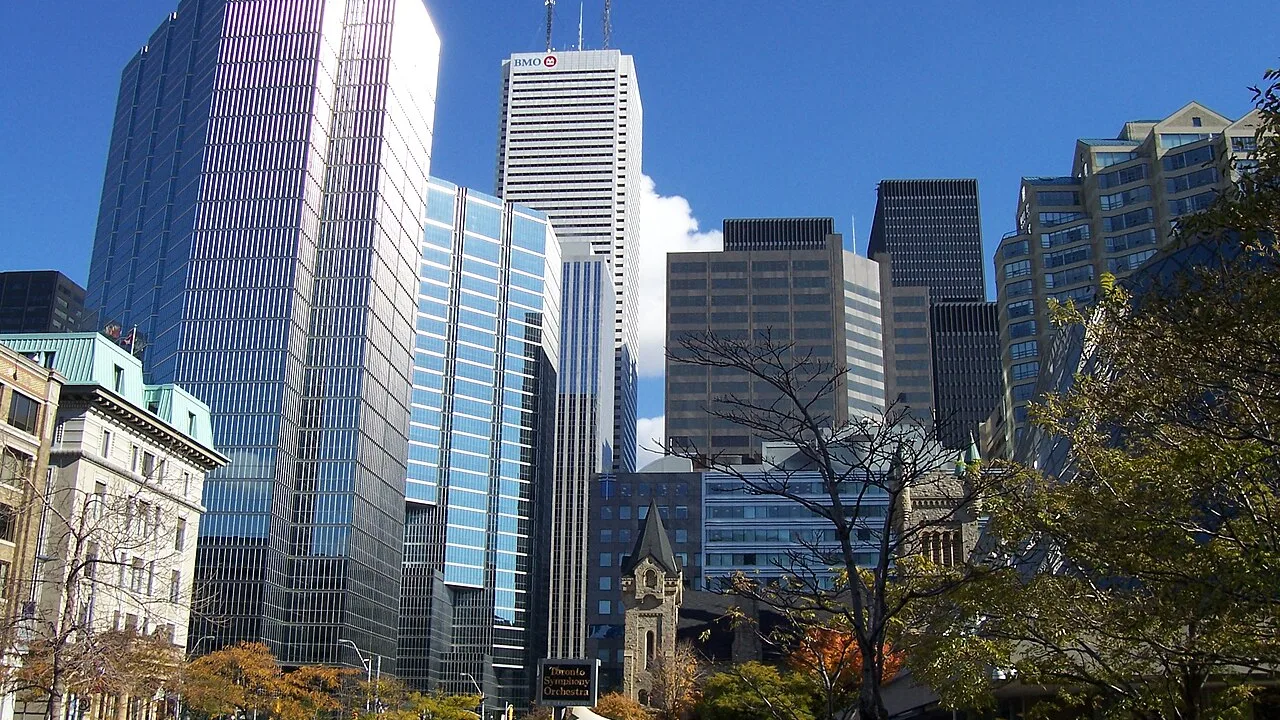
Ontario isn't one real estate market — it's dozens. A condo in downtown Toronto behaves nothing like a duplex in Hamilton or a family home in Barrie. The trick to finding the best cities to invest in real estate in Ontario isn't chasing a hot tip; it's knowing which numbers separate a smart buy from a money pit. This guide gives you the framework, then points to the regions worth researching.
 Key takeaways
- There is no single "best" city — the right market depends on your budget, strategy and risk tolerance.
- Score every market on price-to-rent, vacancy, job growth, and supply before you buy.
- Toronto offers liquidity and long-term demand; many 905 and outer-Ontario cities offer stronger cash flow.
- Always model cap rate and cash flow with real, conservative numbers before committing.
- HOMEH's Cashback Rebate, the industry's highest, can meaningfully boost an investor's return on the purchase.
There's no single "best" city
The honest starting point: the best city for one investor is the wrong one for another. A buyer chasing monthly cash flow wants a different market than one betting on long-term appreciation. So instead of a ranked list that goes stale, learn to score any market on the same handful of fundamentals. Pair this with our beginner guide on how to invest in real estate in Canada and the wider Ontario housing market outlook.
The metrics that separate good from bad
Before you fall for a neighbourhood, run it through these filters. Each one tells you something a glossy listing photo never will.
| Metric | What it tells you | Look for |
|---|---|---|
| Price-to-rent ratio | Cash-flow potential | Lower = better for income |
| Vacancy rate | Rental demand strength | Low and stable |
| Job & population growth | Future appreciation | Diversified, growing |
| New supply pipeline | Risk of oversupply | Demand outpacing builds |
| Property tax rate | Carrying cost | Lower protects cash flow |
Toronto vs the rest of Ontario
Toronto offers the deepest pool of tenants, strong long-term demand, and high liquidity — but entry prices are high and gross yields are often thin. Many 905 cities (Mississauga, Brampton, Hamilton) and outer-Ontario markets (Barrie, Kitchener-Waterloo, London, Kingston) trade lower price-to-rent ratios for better monthly cash flow, at the cost of a smaller tenant pool. One practical edge: Toronto's property tax rate is among the lowest in the GTA (~0.7%), while many 905 cities run higher (~0.9%–1.3%), which directly affects your carrying costs.
Match the city to your strategy
Income-focused? Prioritize markets with strong price-to-rent ratios and low vacancy — a multiplex investment in a mid-sized city can stack several rents under one roof. Growth-focused? Favour cities with diversified job growth and infrastructure investment. Whatever the strategy, confirm the numbers with rental property ROI and a realistic cap rate before you buy.

Don't forget the holding costs
A market that looks cheap can quietly erode returns through high property taxes, condo fees, or rising maintenance. Build a full operating budget — taxes, insurance, vacancy allowance, repairs and management — before you decide. And remember the upfront math: a strong purchase sets up every year that follows.

Frequently asked questions
What is the best city to invest in real estate in Ontario?
Where can you get the best cash flow in Ontario?
Does property tax matter for investors?
How do I research a market before buying?
Ready to put this into action?
Get pre-qualified in five minutes, or talk to a HOMEH advisor — no credit pull, no commitment.