
What Is a Multiplex and Is It a Good Investment?

HOMEH Publishing Department
Author Mar 18, 2025 5 min read
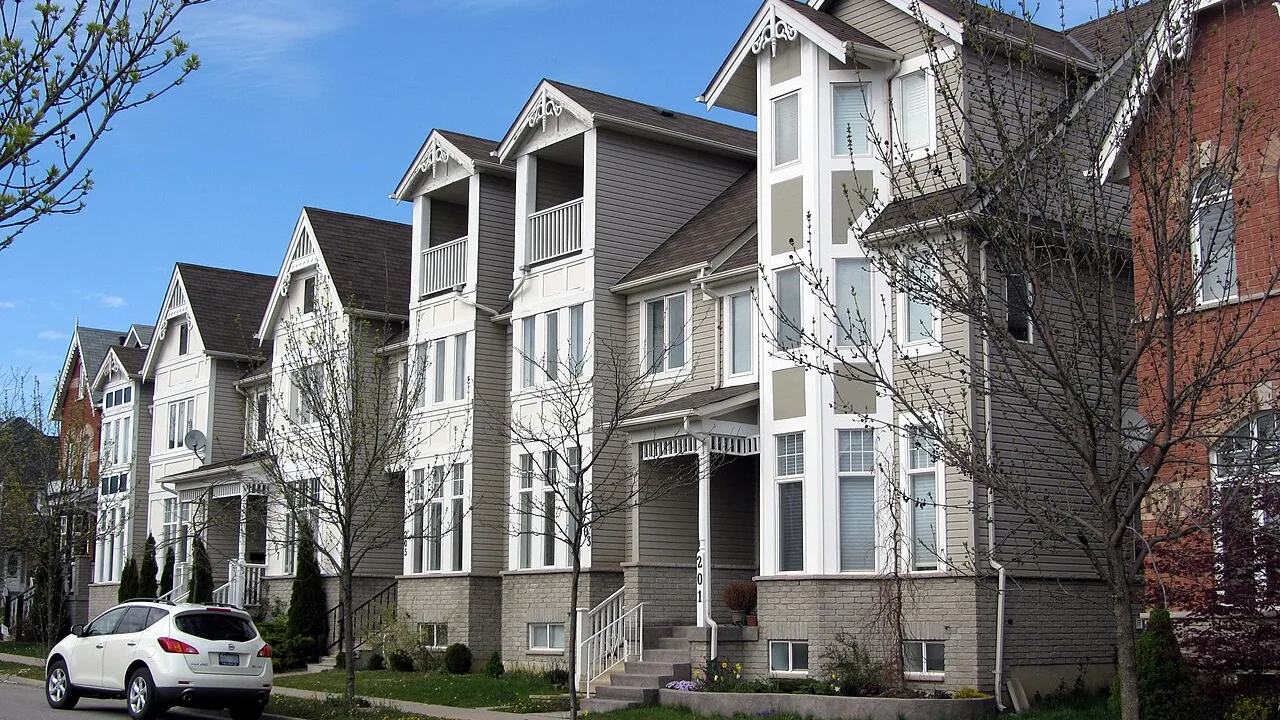
A multiplex — a duplex, triplex or fourplex — lets you collect several rents under one roof and one mortgage. For investors chasing cash flow, that efficiency is hard to beat. But more units also mean more tenants, more maintenance and more management. Here's how multiplex investing really works in Ontario, and how to tell whether it fits your goals.
 Key takeaways
- A multiplex is a single property with 2–4 self-contained units (duplex, triplex, fourplex).
- Stacking several rents under one mortgage can produce stronger cash flow than a single-family rental.
- Up to 4 units can often be financed with residential (not commercial) mortgage rules.
- More units mean more tenants, turnover and maintenance — budget for active management.
- HOMEH's Cashback Rebate, the industry's highest, can offset the larger down payment a multiplex often needs.
What counts as a multiplex
A multiplex is one property divided into multiple self-contained dwelling units, each with its own kitchen, bathroom and (usually) entrance. A duplex has two units, a triplex three, and a fourplex four. The key line in Canada is the four-unit threshold: properties with up to four units are typically financed under residential mortgage rules, while five or more units cross into commercial financing with different rates and qualification.
Multiplexes are a popular step up for investors who already understand single rentals — see how to invest in real estate in Canada for the fundamentals and the Ontario housing market outlook for context.
Why investors like multiplexes
The core appeal is efficiency: one purchase, one mortgage, one roof to maintain — but multiple rent cheques. That can produce stronger and more resilient cash flow than a single-family rental, because if one unit sits vacant, the others keep paying. Some buyers even live in one unit and rent the rest, using the rental income to offset their own housing costs.
The responsibilities to plan for
More doors means more work. Each unit is a tenancy governed by the Residential Tenancies Act and the Landlord and Tenant Board, so you'll manage several leases, several rent collections and more frequent turnover. Maintenance scales too — more appliances, more systems, more wear. Many multiplex owners either dedicate real time to management or hire a property manager and budget for the fee.

Running the numbers on a multiplex
Multiplexes shine in cash-flow analysis, but only if you budget honestly. Total all the rents, then subtract a realistic operating budget — property tax, insurance, utilities, a vacancy allowance and maintenance — to find net operating income. From there, model the cap rate and overall rental property ROI before you commit.

Is a multiplex right for you?
A multiplex suits investors who want concentrated cash flow and are ready for hands-on (or professionally managed) ownership. It's a natural building block when you're learning how to build a real estate portfolio. If you'd rather start smaller and simpler, a single condo or freehold may be the better first step.

Frequently asked questions
What is a multiplex?
Is a multiplex a good investment?
How is a multiplex financed in Canada?
Do I need a bigger down payment for a multiplex?
Ready to put this into action?
Get pre-qualified in five minutes, or talk to a HOMEH advisor — no credit pull, no commitment.
Keep reading.

Market & Investing
The Best Cities to Invest in Real Estate in Ontario
Market & Investing
The BRRRR Strategy in Canada, Explained

Market & Investing
