
The BRRRR Strategy in Canada, Explained

HOMEH Publishing Department
Author May 12, 2026 6 min read
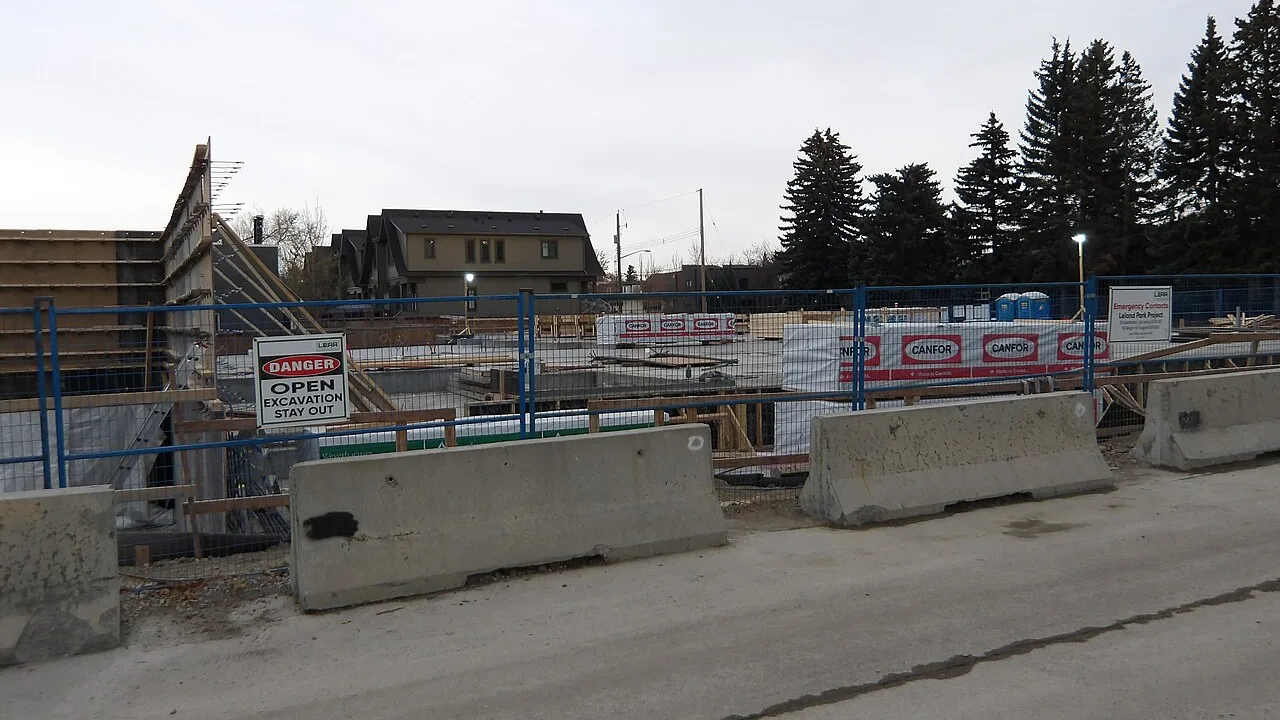
BRRRR stands for Buy, Rehab, Rent, Refinance, Repeat — a strategy for investors who want to grow a rental portfolio without saving a fresh down payment for every property. Done well, it lets you recycle the same capital again and again. Done carelessly, it's a fast way to over-leverage. Here's how each step works in the Canadian context, and the math you have to respect.
 Key takeaways
- BRRRR = Buy under value, Rehab to add value, Rent, Refinance to pull cash out, then Repeat.
- The goal is to recover most of your invested capital so you can reuse it on the next deal.
- Refinancing relies on the property appraising higher after the rehab — never guaranteed.
- The stress test and lender rules still apply to the refinance step.
- BRRRR amplifies both returns and risk; conservative numbers are essential.
What BRRRR stands for
BRRRR is a five-step loop that lets investors keep redeploying the same pool of cash. Each property ideally returns most of your initial investment so you can move on to the next one.
- Buy — purchase a property below market value, often one that needs work.
- Rehab — renovate to make it rentable and, crucially, to raise its value.
- Rent — place a tenant so the property produces income.
- Refinance — borrow against the new, higher value to pull your cash back out.
- Repeat — use the recovered capital to do it all again.
Why investors use it
The appeal is capital efficiency. In a standard purchase, your down payment is locked into one property. With BRRRR, the refinance step aims to return most of that money so it isn't stranded — letting you build a portfolio faster than saving a new down payment each time. It's an advanced version of the general approach in how to invest in real estate in Canada.

A simplified example (with round numbers)
Here's a hypothetical deal using clean round figures to show the loop. These are illustrative only — real costs, appraisals and lending limits vary, and we make no claims about what any property will be worth.
| Step | Figure |
|---|---|
| Purchase price | $400,000 |
| Rehab cost | $50,000 |
| All-in cost | $450,000 |
| Appraised value after rehab | $550,000 |
| Refinance at 75% of new value | $412,500 |
| Capital recovered vs. all-in | Most of it |
In this example, the refinance frees up roughly the amount sunk in, leaving the property tenanted and the capital available again. The whole strategy hinges on two things going right: the rehab adding real value, and the property cash-flowing after the larger refinanced mortgage.
Where BRRRR gets risky
Every step carries a way to lose money, and the risks compound. Respect them before you start.
If the post-rehab appraisal is lower than you hoped, you recover less and your cash stays trapped. If the refinanced mortgage is large and rates are high, the property may stop cash-flowing — so always check the result against how to calculate cash flow on a rental. And the refinance itself must clear the lender's rules.

The financing rules you can't skip
The refinance step is a new mortgage, so it's subject to the same scrutiny as any other. At federally regulated lenders you must qualify at the greater of your contract rate + 2% or 5.25%, and lenders weigh your debt service ratios. Learn the mechanics in should I refinance my mortgage and the mortgage stress test.

Frequently asked questions
Does the BRRRR strategy work in Canada?
How much money can I get back when I refinance?
What's the biggest risk with BRRRR?
Do I need to pass the stress test to refinance?
Ready to put this into action?
Get pre-qualified in five minutes, or talk to a HOMEH advisor — no credit pull, no commitment.
Keep reading.

Market & Investing
The Best Cities to Invest in Real Estate in Ontario

Market & Investing
The Foreign Buyer Tax (NRST) in Ontario, Explained

Market & Investing
