Buying a Rural Property in Ontario: What to Know

HOMEH Publishing Department
Author Jul 11, 2024 6 min read
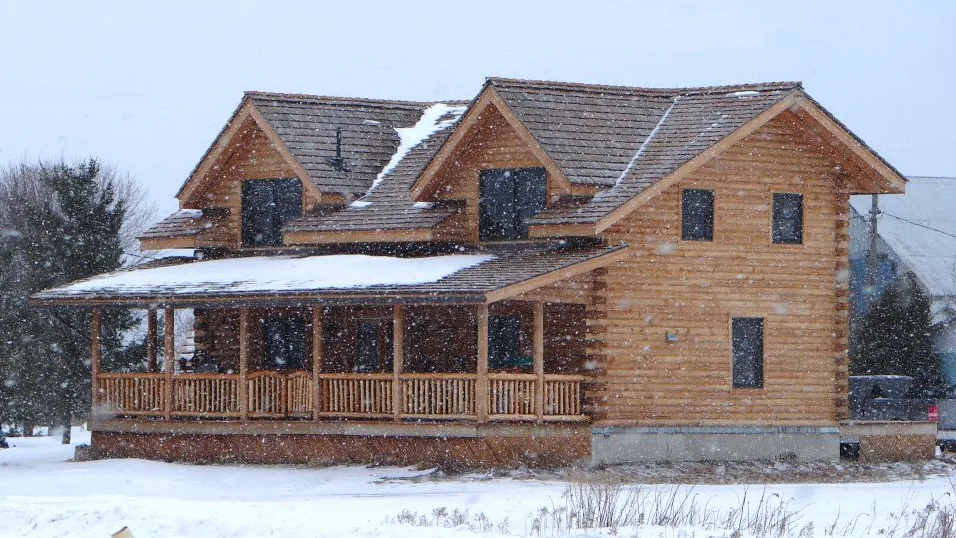
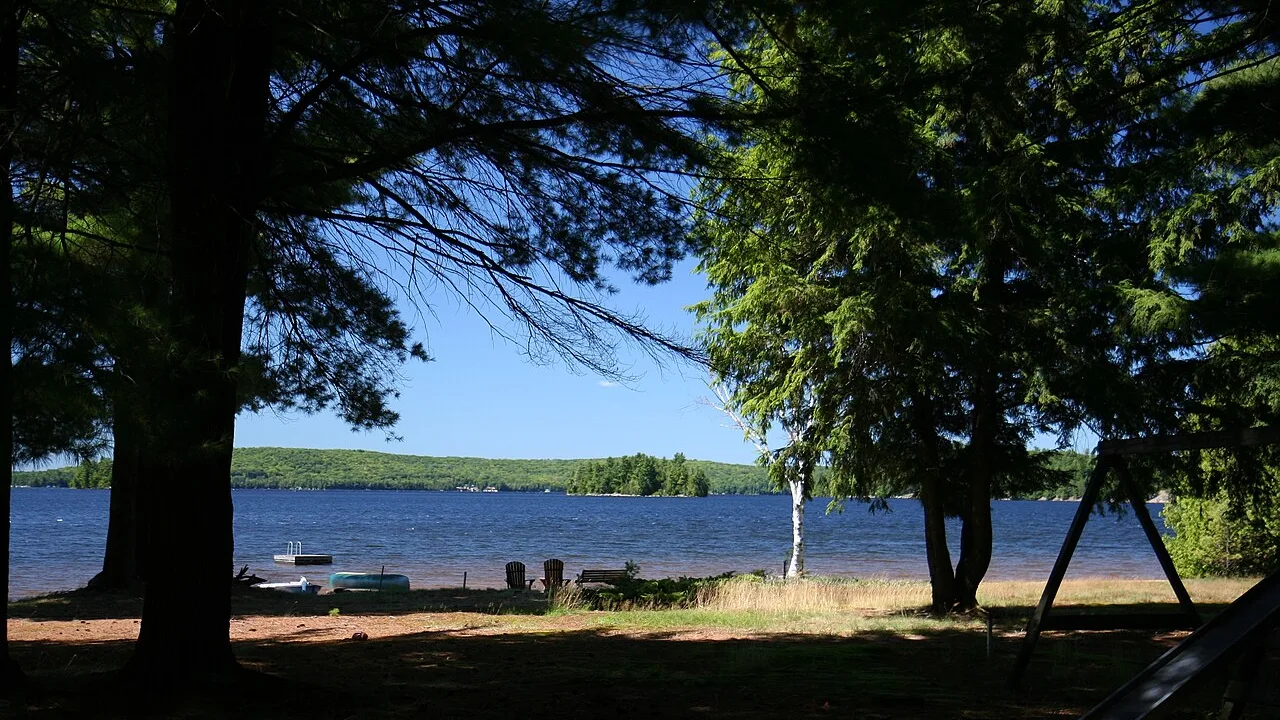
Trading the city for space, privacy and a slower pace is a dream for many Ontario buyers. But a country home or acreage comes with realities that urban buyers rarely face — private wells, septic systems, road access and very different financing. Here's what to know before buying a rural property in Ontario, so the dream doesn't turn into an expensive surprise.
 Key takeaways
- Rural homes often rely on private wells and septic systems — test and inspect both before closing.
- Confirm road access, zoning and what you're actually allowed to do with the land.
- Financing and down payments can differ for acreage, hobby farms and unique properties.
- Budget for extra due diligence: water testing, septic inspection and sometimes a survey.
- HOMEH is a licensed Ontario brokerage offering eligible buyers the industry's highest Cashback Rebate.
Wells, septic and water — the rural essentials
The single biggest difference between city and country homes is infrastructure. Most rural properties draw water from a private well and dispose of waste through a private septic system — there's no municipal hookup. Both are expensive to repair or replace, so they deserve serious scrutiny before you buy.
- Have the well water tested for safety, and ask about flow rate (how much water it reliably produces).
- Get the septic system inspected, and find out its age and last pump-out.
- Ask whether the property is on a drilled or dug well — and how deep.
- Confirm whether any water treatment (softener, UV, filtration) is installed.

Land, access and zoning
With rural land, the property line is rarely the whole story. What you can build, run, or even drive on depends on zoning, road status and any easements. Sort this out early — it's far harder to fix after closing.
- Is the road a year-round municipal road, a seasonal road, or a private/shared lane?
- How is the property zoned — residential, agricultural, recreational — and what does that allow?
- Are there easements, rights-of-way or conservation restrictions on the land?
- Where exactly are the boundaries? A property survey may be needed.
- Is the address served by reliable internet and cell coverage?
A survey can be one of the larger due-diligence costs — budget $1,000–$2,000+ if one is required. It's worth it to know precisely what you own. Many of these checks also feed straight into your offer strategy; review our list of questions to ask when buying a house.
Financing a rural property
Lenders are comfortable with a typical suburban home; they get cautious with acreage, hobby farms, and homes that don't fit a tidy box. The standard down payment rules still apply, but lenders may value only the house plus a limited amount of land, treating excess acreage differently.
| Purchase price | Minimum down payment |
|---|---|
| Under $500,000 | 5% |
| $500,000 – $1,499,999 | 5% on first $500k + 10% on the rest |
| $1,500,000 or more | 20% (cannot be insured) |
Because rural valuations are trickier, an appraisal carries extra weight, and a unique property may need a larger down payment than a comparable city home. Map out your numbers early with the affordability calculator and confirm what you qualify for before you fall for the view.
Budgeting for the extras
Rural ownership adds costs city buyers never think about — and extra due diligence at closing. Plan for it so your budget holds.
- Water testing and septic inspection during your conditional period.
- A property survey if boundaries are unclear ($1,000–$2,000+).
- Ongoing upkeep: well servicing, septic pump-outs, snow clearing and a longer driveway.
- Standard closing costs — including land transfer tax, the largest single item (no Toronto municipal tax outside the city).
Everything else in a rural purchase still follows the normal Ontario process. For the full sequence from search to keys, read how to buy a house in Ontario, and budget the closing side with our closing costs guide.
Buy your slice of the country with HOMEH
Rural deals reward patience and good representation — and they reward keeping more of your money. HOMEH is a licensed Ontario brokerage that gives eligible buyers the industry's highest Cashback Rebate, which can fund your well, septic and survey checks several times over. Browse what's out there on the HOMEH listings page and estimate your rebate with the cashback calculator.
Frequently asked questions
What should I check before buying a rural property in Ontario?
Is financing harder for a rural property?
How much does a septic inspection or well test cost?
Do I pay land transfer tax on a rural Ontario home?
Ready to put this into action?
Get pre-qualified in five minutes, or talk to a HOMEH advisor — no credit pull, no commitment.