Freehold vs Condo Townhouse: What's the Difference?

HOMEH Publishing Department
Author Aug 31, 2025 7 min read

Two townhouses can look identical from the curb — same brick, same garage, same shared walls — yet be worlds apart in what you actually own. The difference is freehold vs condo. A freehold townhouse means you own the home and the land outright with no monthly fees; a condo townhouse means you own your unit but share ownership of the land and common areas, and you pay condo fees for them. Getting this distinction right changes your monthly budget and your responsibilities for years.
 Key takeaways
- A freehold townhouse: you own the home and land outright, with no condo fees and full responsibility for maintenance.
- A condo townhouse: you own your unit and share the common property, paying monthly condo fees that cover shared upkeep.
- Freehold townhouses usually have lower ongoing costs but more hands-on maintenance.
- Condo townhouses bundle maintenance into the fees but limit what you can change outside your unit.
- Eligible HOMEH buyers receive the industry's highest Cashback Rebate on their purchase.
The core difference: what you own
With a freehold townhouse, you own the building and the land it sits on, just like a detached or semi-detached home. There are no condo fees and no condo corporation — the upkeep of the roof, exterior, and yard is entirely yours.
With a condo townhouse, you own the interior of your unit, and you co-own the shared elements — driveways, landscaping, sometimes the roof and exterior walls — along with every other owner through a condo corporation. You pay monthly condo fees to fund that shared maintenance. For the broader ownership picture, see our guide on freehold vs condo.
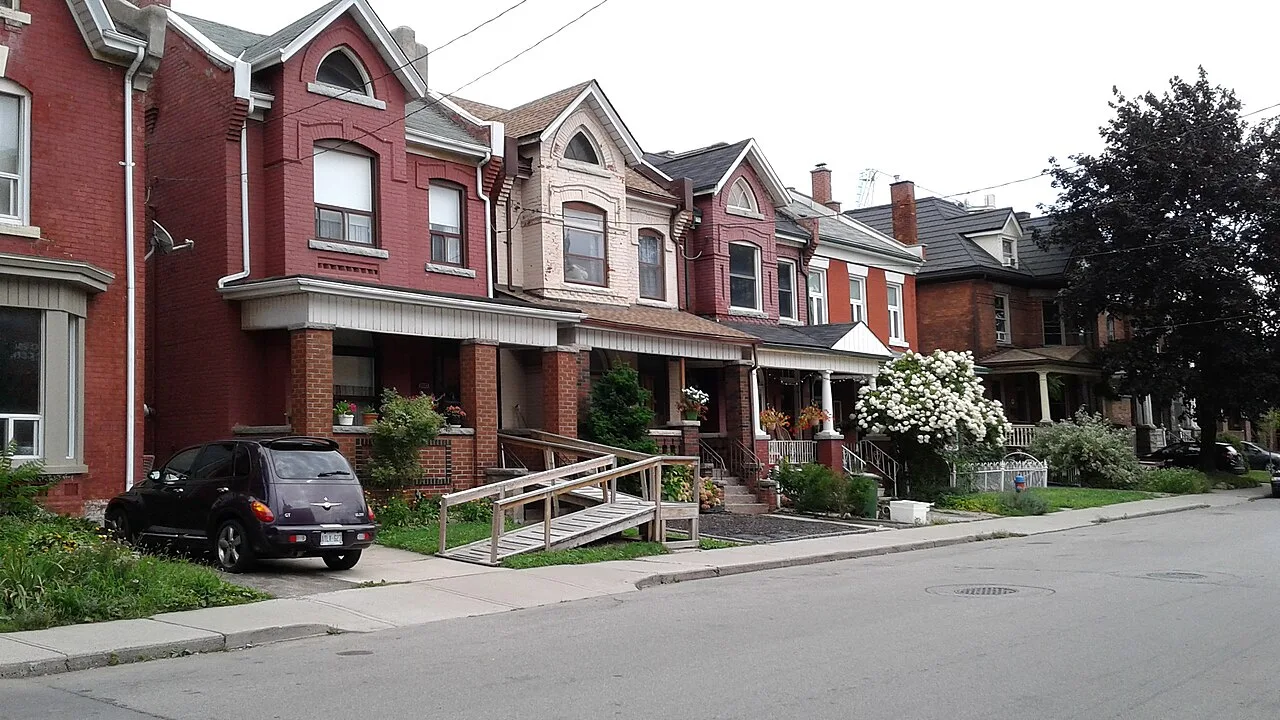
Here's the catch that trips up many buyers: the two can look completely identical from the street. Same bricks, same garage, same shared walls, sometimes even built by the same developer in the same complex. The only way to know which type you're looking at is to check the listing details and ask whether there's a condo corporation and a monthly fee. Never assume from appearances — a townhouse that looks freehold may carry condo fees, and vice versa.
Fees, maintenance and control
The day-to-day experience of owning each type comes down to three things: what you pay every month, who handles maintenance, and how much you can change.
| Factor | Freehold townhouse | Condo townhouse |
|---|---|---|
| Monthly condo fees | None | Yes |
| Exterior maintenance | You | Condo corporation |
| Snow & landscaping | You | Often included in fees |
| Freedom to renovate exterior | High | Limited by rules |
| Status certificate needed | No | Yes |

When you compare two listings, don't judge a condo townhouse's fee in isolation — judge what it replaces. As a freehold owner you'll budget separately for snow removal, lawn care, exterior repairs, and a roof you'll eventually replace yourself. A condo fee bundles many of those costs into one predictable monthly amount, and a portion goes into the corporation's reserve fund for big-ticket future repairs. The real question isn't 'fee or no fee' but whether the fee buys services you'd otherwise pay for anyway — and whether it's set at a sustainable level.
The status certificate and condo rules
If you buy a condo townhouse, your lawyer will review a status certificate — a package showing the condo corporation's finances, reserve fund, rules, and any planned fee increases. It tells you whether the fees are sustainable and whether the corporation is well run. Budget around $100 for one. Freehold townhouses have no status certificate because there's no condo corporation.
Condo townhouses also come with rules set by the corporation — covering things like exterior changes, pets, or parking. Freehold owners answer only to municipal bylaws. Either way, a real estate lawyer is required to close in Ontario; see our breakdown of closing costs in Ontario for the full list of what you'll pay.
A well-run condo corporation can actually protect your investment: a healthy reserve fund means no nasty special assessments, and consistent exterior upkeep keeps the whole complex looking sharp, which supports resale values for everyone. A poorly run one is the opposite — underfunded reserves can lead to sudden lump-sum charges to owners. That's exactly why the status certificate review matters so much, and why you should never skip it to save a few dollars on a condo townhouse purchase.
Which townhouse type is right for you?
Choose a freehold townhouse if you want the lowest ongoing costs, full control over your property, and you don't mind handling your own maintenance. Choose a condo townhouse if you'd rather pay a predictable monthly fee and have someone else manage snow removal, landscaping and exterior repairs — a popular trade-off for busy professionals and downsizers.
Whichever you lean toward, start by confirming your budget with the affordability calculator, then work through our pillar guide on how to buy a house in Ontario. Still deciding between a house and a condo overall? Our house vs condo guide can help.

Frequently asked questions
What is the difference between a freehold and a condo townhouse?
Do freehold townhouses have condo fees?
Is a freehold townhouse cheaper than a condo townhouse?
What is a status certificate?
Ready to put this into action?
Get pre-qualified in five minutes, or talk to a HOMEH advisor — no credit pull, no commitment.