What Is a Bungalow? Pros, Cons & Who They Suit

HOMEH Publishing Department
Author Aug 23, 2025 8 min read
If you've browsed Ontario listings, you've seen the word everywhere: bungalow. But what exactly counts as one, and why are buyers from young families to retirees willing to pay a premium for them? A bungalow is, at its core, a single-storey home with all of its main living space on one level — and that simple layout drives almost everything people love (and sometimes dislike) about them.
 Key takeaways
- A bungalow is a single-storey detached home with the main living areas all on one floor.
- Many Ontario bungalows have a full basement, often finished as extra living space or an income suite.
- Single-level living makes bungalows popular with retirees, families with young kids, and buyers planning to age in place.
- Bungalows often cost more per square foot than two-storey homes because they use a larger lot footprint.
- Eligible HOMEH buyers get the industry's highest Cashback Rebate toward their purchase.
What makes a home a bungalow?
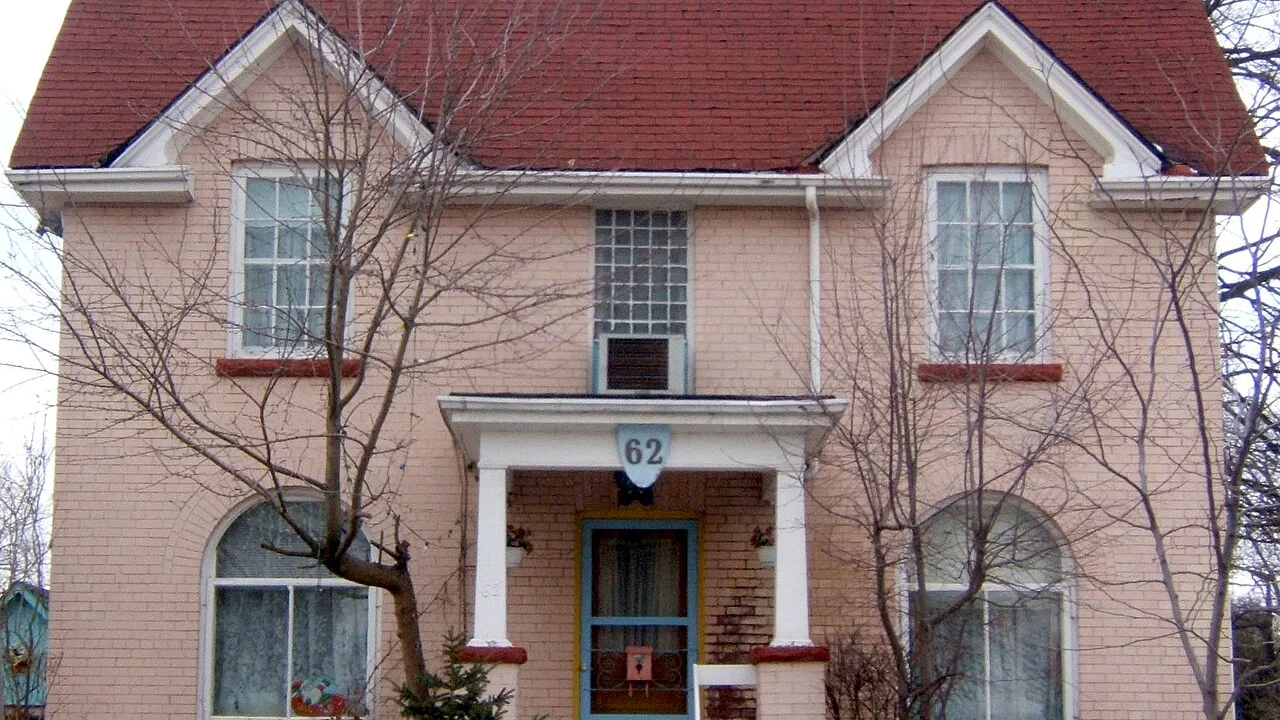
A bungalow is a single-storey house where the main living spaces — kitchen, living room, bedrooms and bathrooms — are all on one level. There are no stairs to climb to reach a bedroom at night, which is the feature buyers care about most. Most Ontario bungalows are detached homes sitting on their own lot, though you'll also find semi-detached and bungalow-style townhouses.
The style traces back to single-storey homes built for warm climates, but in Canada it evolved into the classic post-war suburban house. Today a bungalow can range from a modest 900-square-foot starter to a sprawling custom build. The common thread is the one-level main floor. To see how a bungalow stacks up against other layouts, read our overview of the difference between detached, semi, townhouse and condo homes.
You'll also hear a few related terms in Ontario listings. A raised bungalow sits slightly higher off the ground so the basement gets large above-grade windows — handy if you plan to finish it. A bungalow with a walkout basement is built into a slope so the lower level opens directly to the backyard, which is especially valuable for a rental suite. Knowing these labels helps you read listings accurately and compare like with like.
Bungalows vs other home types
The bungalow's defining trade-off is footprint versus floors. A two-storey home stacks living space vertically on a smaller lot; a bungalow spreads the same square footage across a single level, which usually needs a wider lot. Here's how the main layouts compare.
| Home type | Storeys | Stairs to bedrooms? | Typical lot need |
|---|---|---|---|
| Bungalow | 1 (main floor) | No | Wider |
| Two-storey detached | 2 | Yes | Narrower |
| Bungaloft | 1.5 | Some | Medium |
| Townhouse | 2-3 | Yes | Narrow |
A close cousin is the bungaloft — a bungalow with a partial second-floor loft, giving you mostly single-level living plus a bonus room above. If a one-level main floor is your priority but you still want extra space, a bungaloft can be a smart middle ground.
The footprint difference is the whole story behind the price gap. Two homes with the same 1,800 square feet of living space will feel very different to build and to buy: the two-storey stacks that space on a compact lot, while the bungalow lays it all out flat and needs a wider parcel of land. Since land is the scarcest, most expensive ingredient in most Ontario markets, that wider lot is exactly why bungalows command a premium — and why they tend to hold their value well, since the land underneath is the part that appreciates.
There's also a maintenance angle that's easy to overlook. With everything closer to the ground, exterior upkeep on a bungalow — cleaning gutters, painting trim, washing windows, clearing the roof — is simpler and often cheaper than on a tall two-storey. For some buyers that practicality matters as much as the no-stairs convenience.
The pros and cons
Bungalows are loved for accessibility and flexibility, but the single-level layout comes with real trade-offs worth weighing before you buy.
- Pro: no stairs — easier for young children, anyone with mobility needs, and buyers who want to age in place.
- Pro: basement potential — a full basement can become a rec room, home office, or a separate income suite.
- Pro: easier exterior maintenance — roof, gutters and windows are simpler to reach.
- Con: higher cost per square foot — the larger footprint and bigger lot often push up the price.
- Con: less private bedroom space — bedrooms sit on the same level as living areas, so there's no upstairs buffer.

The basement deserves special attention because it can transform the value equation. A bungalow's footprint means a generous basement that's often the full size of the main floor. Finish it and you effectively double your usable living area — for a rec room, home gym, guest suite or office. Add a separate side entrance and that lower level can become a legal income suite, turning a chunk of your mortgage payment into rental income. Just confirm the suite meets local zoning and fire-code requirements before you count on the rent.
Who should buy a bungalow?
Bungalows suit a surprisingly wide range of buyers. Retirees and downsizers love avoiding stairs entirely. Young families value keeping kids on the same floor. Investors are drawn to bungalows with a separate basement entrance that can support a legal rental suite. And renovators like the simple structure for additions or a future bungaloft conversion.
Whatever your reason, the first step is knowing your budget. Run the numbers with the HOMEH affordability calculator, then follow the full process in our guide on how to buy a house in Ontario. If you're torn between a one-level home and a more vertical layout, our house vs condo comparison is a good next read.
When you tour bungalows, look past the layout to the bones. Check the age of the roof and furnace, look for signs of moisture in the basement, and picture how the open main floor handles your furniture and daily routine. Because bedrooms sit on the same level as the living space, also think about noise and privacy — a quiet street or a thoughtful interior layout makes a big difference in a single-storey home. A good real estate agent will help you weigh these factors against the price.

Frequently asked questions
What is a bungalow?
Why are bungalows more expensive?
What is the difference between a bungalow and a bungaloft?
Are bungalows good for families?
Ready to put this into action?
Get pre-qualified in five minutes, or talk to a HOMEH advisor — no credit pull, no commitment.