What Is a Semi-Detached House?

HOMEH Publishing Department
Author Aug 27, 2025 7 min read
A semi-detached house — or "semi" — is two homes built side by side that share a single common wall, with each half owned separately. You get your own front door, your own backyard, and usually your own deed, but you also share one wall with the neighbour next door. For many Ontario buyers, especially in pricier markets like Toronto, the semi is the sweet spot between a full detached home and a townhouse.
 Key takeaways
- A semi-detached house shares one wall with a neighbouring home; everything else is your own.
- Most semis in Ontario are freehold, so you own the land and pay no condo fees.
- Semis usually cost less than a comparable detached home, making them a popular entry point in expensive markets.
- The shared wall means slightly less privacy and possible sound transfer compared to a detached home.
- Eligible HOMEH buyers receive the industry's highest Cashback Rebate toward their purchase.
What is a semi-detached house?
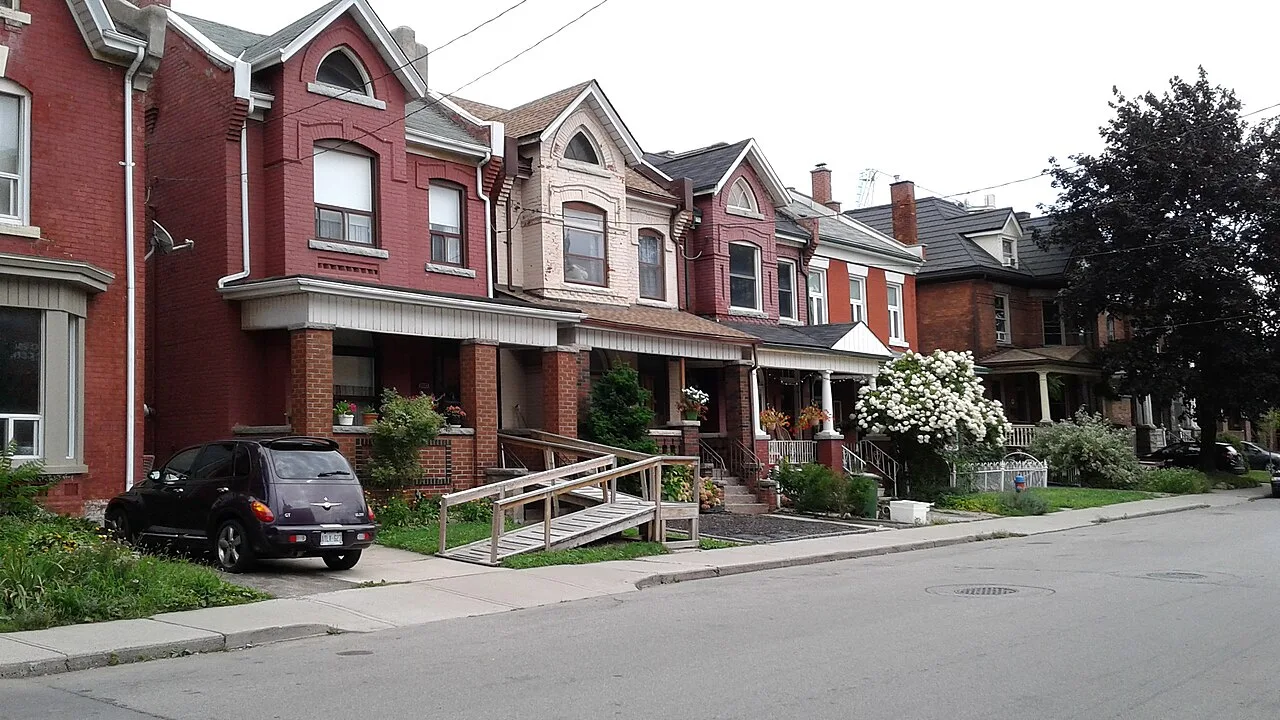
A semi-detached house is one of two dwellings joined by a single shared (or "party") wall. Picture two mirror-image homes built together: each side has its own entrance, its own yard front and back, and its own ownership. The only thing connecting them is that one common wall. This makes a semi feel much more like a detached home than a townhouse, which is typically joined on both sides.
In Ontario, the vast majority of semis are freehold — meaning you own the home and the land it sits on outright, with no monthly condo fees. That's a key distinction from many townhouses. To see how all the main home types stack up, read our guide to the difference between detached, semi, townhouse and condo.
Semis are a defining feature of Toronto's older neighbourhoods, where narrow lots and a century of dense development made side-by-side homes the practical way to build. That history is part of their appeal today: many semis sit on tree-lined streets close to transit, shops and schools — locations where a fully detached home would be far out of reach for most buyers. In newer suburban subdivisions you'll also find purpose-built semis offering modern layouts at a friendlier price than the detached models on the same street.
Semi-detached vs detached vs townhouse
The simplest way to understand a semi is by how many walls it shares. A detached home shares none. A semi shares exactly one. A townhouse (unless it's an end unit) shares two.
| Home type | Shared walls | Typically freehold? | Relative price |
|---|---|---|---|
| Detached | 0 | Yes | Highest |
| Semi-detached | 1 | Usually | Middle |
| Townhouse (interior) | 2 | Sometimes | Lower |
| Condo apartment | Multiple | No (condo) | Varies |

That single shared wall is the whole reason a semi can cost meaningfully less than the detached home next door. You're getting nearly all the same ownership rights — the land, the yard, the freedom to renovate — and giving up only the gap of air between you and one neighbour. For buyers priced out of detached homes in a desirable area, a semi is frequently the most realistic way to own a house with a backyard rather than settling for a condo further out.
The pros and cons of a semi
Semis offer detached-style ownership at a more accessible price, but the shared wall is the trade-off to think through.
- Pro: more affordable than a comparable detached home in the same area.
- Pro: freehold ownership — you own the land, with no condo fees in most cases.
- Pro: your own yard and entrance for outdoor space and privacy out front.
- Con: shared wall can mean some sound transfer, depending on construction quality.
- Con: shared maintenance considerations — work on the party wall or roof line may involve coordinating with your neighbour.
Because the two halves are physically connected, a good home inspection matters. Learn what an inspector checks in our guide to what a home inspection is and whether you need one.
The shared wall is worth a closer look on any semi you're considering. Newer semis are often built with sound-dampening construction between units, while older ones may transfer more noise — so visit at different times of day if you can, and ask about the wall's construction. It's also smart to learn a little about the neighbours, since you'll share that wall with them for as long as you own the home. None of this should scare you off; millions of Ontarians live happily in semis. It simply rewards doing your homework before you commit.
Is a semi-detached home right for you?
A semi is often the ideal choice for first-time buyers and growing families who want the feel of a house — a yard, a private entrance, room to grow — without the price tag of a fully detached home. It's especially popular in established city neighbourhoods where detached homes are scarce or expensive.
Before you start touring, figure out your budget with the affordability calculator and walk through the full process in our pillar guide on how to buy a house in Ontario. If you're also weighing condos, our freehold vs condo guide explains the ownership difference clearly.
A semi can also be a stepping stone. Many buyers purchase a semi as their first home, build equity over several years, and later move up to a detached property — using the appreciation on the semi to fund the next purchase. Because semis combine an accessible price with genuine freehold land ownership, they often appreciate alongside the broader market, making them both a place to live and a sound first rung on the property ladder.

Frequently asked questions
What is a semi-detached house?
Is a semi-detached house freehold?
What is the difference between a semi-detached and a townhouse?
Are semi-detached houses noisy?
Ready to put this into action?
Get pre-qualified in five minutes, or talk to a HOMEH advisor — no credit pull, no commitment.