
Understanding Real Estate Market Cycles

HOMEH Publishing Department
Author Feb 12, 2024 5 min read
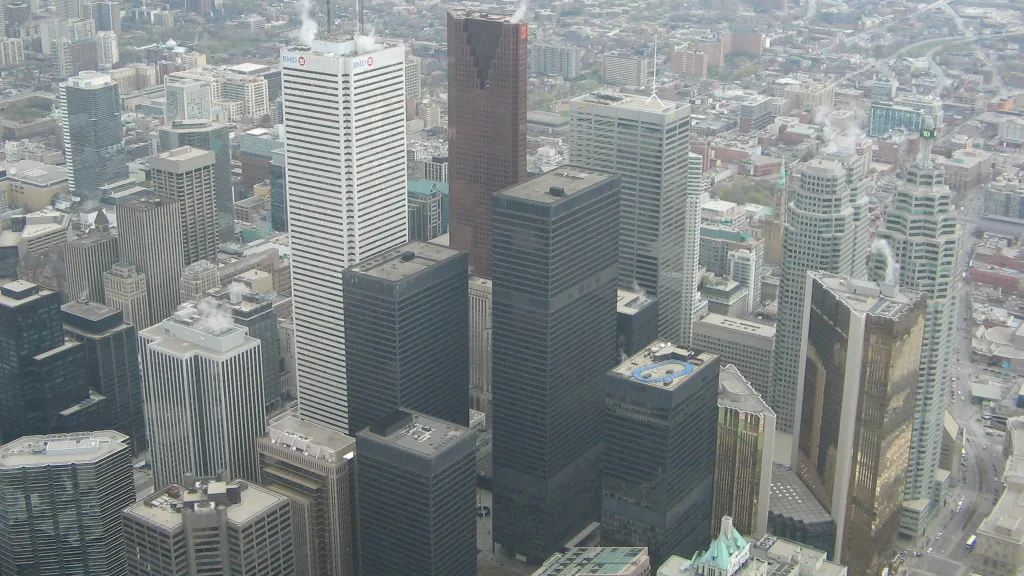
Real estate doesn't move in a straight line. It moves in cycles — long, overlapping waves driven by interest rates, construction, and demand. Understanding these phases won't let you predict exact prices (nobody can), but it will help you read the conditions around you and avoid the classic mistake of assuming today's trend lasts forever. Here's how market cycles work and how to gauge where you are.
 Key takeaways
- Markets move through four broad phases: recovery, expansion, hyper-supply, and recession.
- Interest rates, supply, and demand drive the transitions between phases.
- Cycles vary by city and property type — there's no single national clock.
- You can't time the exact top or bottom; you can read the conditions and position accordingly.
- Use live local data, not headlines, to judge where your market sits.
Why markets move in cycles
Real estate is slow to respond. When demand rises, it takes years to build new supply — so prices climb until builders catch up, sometimes overshooting. Financing adds another wave: when borrowing is cheap, demand surges; when rates rise, it cools. These lags are exactly why the market oscillates instead of settling at a steady level.

The four phases
Most analysts describe a cycle in four overlapping phases. They don't follow a fixed calendar, and they look different in each city — but the pattern is recognizable.
| Phase | What's happening | Typical signal |
|---|---|---|
| Recovery | Demand returns after a slowdown | Sales pick up, prices stabilize |
| Expansion | Demand outpaces supply | Rising prices, more building |
| Hyper-supply | New supply catches up or exceeds demand | Inventory rises, growth slows |
| Recession | Supply exceeds demand | Prices soften, sales slow |
Then the cycle begins again. The challenge is that phases are only obvious in hindsight — which is why chasing the exact turning point is a trap.
What drives the transitions
Three levers push the market from one phase to the next. Watching them is far more useful than watching price headlines.
- Interest rates — the Bank of Canada policy rate shapes borrowing costs and demand. Remember the stress test always applies: qualify at the greater of your rate + 2% or 5.25%.
- Supply — new construction and resale inventory. Slow building extends expansions; a wave of completions can tip into hyper-supply.
- Demand — population growth, jobs, and confidence determine how many buyers are active and able.
You can't time it perfectly
Knowing the phases is useful for context, not for calling tops and bottoms. Nobody rings a bell at the turn, and waiting for certainty usually means missing the move. Instead of timing, focus on readiness and a margin of safety — the approach we lay out in is now a good time to buy a house in Ontario?

Using cycles in your decisions
For buyers, understanding the cycle helps you set realistic expectations and avoid overpaying out of fear of missing out. For investors, it informs strategy: in expansion you may prioritize appreciation, while in softer phases cash flow protects you. Underwrite every deal with conservative numbers — see how to invest in real estate in Canada and what is a good cap rate.

Frequently asked questions
What are the four phases of a real estate cycle?
How long is a real estate cycle?
Can I time the market using cycles?
Where can I see what phase my local market is in?
Ready to put this into action?
Get pre-qualified in five minutes, or talk to a HOMEH advisor — no credit pull, no commitment.
Keep reading.

Market & Investing
The Best Cities to Invest in Real Estate in Ontario
Market & Investing
The BRRRR Strategy in Canada, Explained

Market & Investing
